
TRANSCRIPT
Gissele: [00:00:00] was Luther King jr. right? Does love have the power to turn an enemy into a friend. We’re creating an inspiring documentary called Courage to Love The Power of Compassion, which explores extraordinary stories of those who have chosen to do the unthinkable, love and forgive even those who are deeply hurtful.
Gissele: Through their journeys, we will uncover the profound impact of forgiveness and love, not only on those offering it, but also receiving it. In addition, we’ll hear from experts who will explore where the love and compassion are part of our human nature, and how we can bridge divides with those we disagree with.
Gissele: If you’d like to support our film, please go to www M-A-I-T-R-E-C-E-N-T-R e.com/documentary. It’s mitre center.com/documentary Hello and welcome to The Love and Compassion Podcast with Gissele. We believe that love and compassion have the power to heal our lives and our world. [00:01:00] Don’t forget to like and subscribe for more amazing content. Today we’re talking about self-compassion in teenagers. And my guest is Dr.
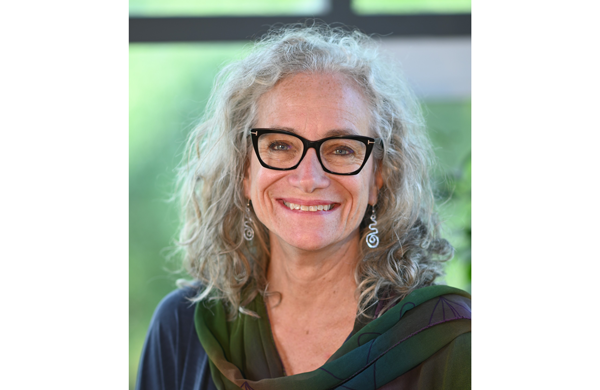
Gissele: Karen Bluth, who’s an associate professor emerita at the University of North Carolina, where she studies how mindful self-compassion improves the mental health of teens and young adults. She’s the author of five books for teens and caregivers, including The Self-Compassion Workbook for Teens and Mindful Self-Compassion for Teens in Schools.
Gissele: In addition, she’s a 2022 recipient of the Inaugural Mind and Life Foundation Award for Public Communication of Contemplative Research. Yay. As a mindfulness practitioner for over 45 years, a mindfulness teacher and an educator with over 18 years of classroom teaching experience, Dr. Bluth frequently gives, talks conducts workshops, and teaches classes in self-compassion in educational and community settings and trains [00:02:00] teachers in mindful self-compassion for teens internationally.
Gissele: Please join me in welcoming Dr. Karen Bluth. Hi, Karen.
Karen: Hi. It’s well. It’s my pleasure to be here. Thank you so much for inviting me.
Gissele: Oh, thank you so much for coming. I think this is a topic that it’s definitely needs to be discussed, and as a mother of two teens, I know the need for self-compassion. I was wondering if you could tell the audience a little bit about how you got started in this work.
Karen: Sure. Well it really takes me back to my teen years. I was in high school, it, I was a senior in high school. It was 1975 and I needed. A topic for an independent study project that I had to do for my English class. and it was due the next day. I was driving down the road. I didn’t have my topic of course.
Karen: I was driving down the road and outta the corner of my eye, I saw a sign that said something about meditation. Tm at that ti at that time it was transcendental meditation. It still [00:03:00] is actually, but I remembered hearing something about meditation in a different class in my social studies class. And there was something about it when we talked about it in that social studies class that resonated with me.
Karen: And I remember thinking, Hmm, that makes sense. So when I saw that sign out of the corner of my eye, I thought, oh, well, let me check this out. So I pulled in. It was this old house I remember, and I went in and I picked up some brochures about transcendental meditation. And talked to the people there and they said, well if you want to be initiated, and I think that was the word they used, come back Saturday at 10 o’clock, I think they said, bring flowers and a piece of fruit.
Karen: So it sounded very mysterious to me, but I did, I went back and, and was given a mantra at that time, and that was the beginning of my meditation practice. And you know, I practiced for my senior year in high school. I think when I went to college, it kind of fell away [00:04:00] for a couple of years. And then I got back into it after college and have been practicing meditation, mindfulness since you know, probably the mid eighties.
Karen: Regularly. It’s been a cornerstone, an anchor throughout my entire adult life. As I’m sure as I’m sure you know, it has been for, for many people. I, I was very lucky to start early on. And then sometime in the nineties I had little kids and so I spent a fair amount of time in my car with them, in their car seats, trying to get them to nap because they wouldn’t nap at home.
Karen: Yeah, I imagine there’s a lot of people that, that resonate with this. And so I had a cassette tape at that time. That’s what we used in our cars of poetry of self-compassion read by the British poet, David White. And this cassette tape had been passed around my meditation group [00:05:00] and so I had this copy and I listened to these poems and.
Karen: I think I internalized the message a lot because it was in my car stereo for quite some time. And so this message of self-compassion became really integrated into into, you know, how I spoke to myself. And then about a decade later, I decided to go back to school and get my PhD and I wanted to bring together the different threads of my life.
Karen: So that was my personal life, my mindfulness practice
Gissele: mm-hmm.
Karen: And this whole time I was, I was teaching in schools. I was a teacher and middle school and upper elementary school, fifth grade, mostly also younger grades, but mostly fifth grade and middle school. And so youth and, and, and being with youth and.
Karen: Wanting to improve the lives of youth was [00:06:00] really very central to me and my mission actually. And so I, when, when I went back to school in 2008, I wanted to bring together these different threats of my life, my personal mindfulness practice, and my interest in helping youth. And at that time, it was just a few years after Kristen Neff was publishing her work.
Karen: So her first articles, research articles on self-compassion came out in 2003. And so this was five years later. There wasn’t that much published at that time and nothing with teens. And so that’s when I just started diving into the work at that point. So that’s a long, a long story really, but that’s really how, how I came to where I am now.
Gissele: It’s wonderful. I love that as the teen, you, it’s like, okay, well I’m gonna be initiated here. I’ll show up with my stuff.
Karen: It was like, why not? You know? It was 1975. I was like, you know, whatever. It sounds a little weird. Fruit and flowers and [00:07:00] a mantra, but whatever, you know?
Gissele: Mm. Yeah. That’s lovely. I do Kriya yoga and so there, there is like an initiation part of the, the component too, and there’s like the offering.
Gissele: So yeah, that I resonated with that. I’m interested to to know what the receptivity is of young people towards self-compassion. And the reason why I ask that is as, as a mother of two teenagers, I know that when I, you know, I emphasized to them the importance of meditation, the importance of loving yourself.
Gissele: They understand it, but they don’t always wanna practice what I’m doing. And so they wanna find their own path to loving themselves and being compassionate to themselves. What has been the reception of young people? When you show up to schools
Karen: Yeah, of course, of course. So yeah, it’s interesting.
Karen: So I hear from parents a lot that there’s, and this is actually, you know, this is the job of teens, is to resist what comes from parents.
Gissele: Yeah.
Karen: And find their own way, as you said. So this is not [00:08:00] not only is it not a bad thing, it’s actually a good thing that they’re a little bit resistant, a little bit of, Hmm.
Karen: I don’t wanna just like take on what you’re handing me.
Gissele: Yeah.
Karen: So what is the reception? It depends who it’s coming from. So again, if it’s coming from a parent, of course it varies. It depends on the relationship between the parent and the kid. But usually, and I’m making a generalization here, there is
Karen: A little bit of resistance, a little bit too, you know, maybe a little bit more than a little bit of resistance. Generally after the first class teens if we don’t push them and we don’t, you know, we, it’s always an invitation to participate in these classes. we’re not heavy handed about it.
Karen: We don’t require them. Not that you could anyway, you can’t require somebody to do these practices, right?
Gissele: Yeah.
Karen: We just invite them in, but we don’t you know, we’re not heavy handed. We invite them in and if [00:09:00] we approach it that way the resistance decreases a lot. And you know, the teens might be quiet, but they’re taking it in.
Karen: And I have to tell you that. I cannot tell you how many times I’ve heard from teens at the end of a class teens will pull me aside and say something like, you know, this was really my mom’s idea to take this class, or, this was my therapist’s idea. I didn’t really wanna do it, but I’m so glad I did.
Karen: I frequently hear that. You know, this is the nature of the beast, you know, this is what, this is what teens are supposed to be doing. They’re supposed to be questioning, they’re supposed to be particularly questioning what comes on, you know, what the adults around them are saying to them.
Gissele: I agree with you. I think it’s a developmental stage, right? Because we’re constantly trying to improve, what our parents did be better, be different, if we only just accepted the status quo , I don’t think there’d be progress . I’m curious [00:10:00] as to what some of the outcomes you have seen What are some of the things that you have found have helped, maybe some of the things that maybe weren’t as successful?
Karen: Yeah. So well first of all, we know from research that teens who are more self-compassionate experience less depression, anxiety, and stress. For example, we know that as teens progress through adolescence, they tend to become more depressed.
Karen: And that’s mostly driven by females. And that, that when teens are more self-compassionate, they’re less likely to get depressed as they move through the teen years. So we see that. We also know that stress is linked to depression, but we know that teens who are more self-compassionate, when they’re stressed, they’re less likely to be depressed.
Karen: We also know that depression is linked to self-injury non-suicidal self-injury, things like cutting. But teens who are more self-compassionate are less likely to [00:11:00] self-injure when they’re depressed. so we see across many studies in many different places all over the world, we see that self-compassion actually acts as a protective factor or a buffer against.
Karen: Some of these difficult challenges in the teen years. And we also know when we actually teach teens self-compassion through these different through our mindful self-compassion for teens course and workshops and things like that, we see that teens at the end experience less depression than they did at the beginning.
Karen: Less anxiety, less stress. And in our most recent study with teens who had some suicidal ideation going in, that they had significantly less suicidal ideation at the end of the study.
Gissele: That’s really, really powerful. I just wanted to clarify. You said driven by females?
Gissele: Does that mean that it’s mostly young girls who are experiencing the [00:12:00] depression?
Karen: I. Well, what we see is that as girls move from age 11 or 12 to 18 generally they become of course it’s generalization, but overall teen girls become more depressed and by the time they’re 18 or so, 18 or 19, they are twice as likely to be depressed as males of the same age.
Karen: And that statistics stays the same stable through adulthood. So, you know, adult women are generally twice as likely to be depressed as adult men. That doesn’t mean that that boys or men aren’t struggling also they are. It’s just that their way of expressing their discontent, dissatisfaction, unhappiness is not through depression.
Karen: It’s through other means. Usually external. Usually things like anger comes [00:13:00] out with anger.
Gissele: Yeah. Yeah. Thank you for that. In this world of COVID, we have young people being more isolated and lonely and with all the school shootings that have happened in America in particular not as much in Canada I’m curious as to the impact of self-compassion on improving relationships for young people.
Gissele: Does self-compassion work help them in terms of relationships with one another?
Karen: Yeah. Well, we do see we do have a study with young adults that shows and these, these were 18 through 30 that shows decrease in loneliness when these young adults were more self-compassionate. I think what we’re seeing it overall is that obviously through COVID, there’s a lot of isolation, loneliness a lot more turning to social media, turning to technology now, AI and, what [00:14:00] social media does unfortunately is exacerbate this sense of comparing oneself with others, right? Mm-hmm.
Gissele: Yeah.
Karen: And of course, even though we all know, including teens, that what’s posted in social media is not the full picture of somebody’s life. It’s the curated picture of somebody’s life still.
Karen: It exacerbates a sense of, I’m not good enough, I’m not worthy. Look at that person there, you know, they have all this great stuff going on in their lives, and I don’t, you know, so self-compassion can be helpful there. And in fact, in our program, we have a social media exercise and what we teach.
Karen: Teens is how to be aware of how they’re feeling when they’re engaging with social media. So we don’t tell them social media’s bad, don’t engage in it because first of all, that’s not gonna work. Second of all, as adults, [00:15:00] we engage with social media. You know, it would be hypocritical of us, us to say not to.
Karen: So what we do, which I think is a lot more helpful and also empowering to teens, is to teach them to notice what are you feeling when you’re engaging with social media? What’s coming up for you? Are you feeling this sense of, oh, I’m not good enough, or are you feeling lonely or sad? Or maybe you’re feeling excited, maybe you’re feeling connected.
Karen: You know, it’s not all bad. So notice what you’re feeling and then make a choice that’s good for you, that’s healthy for you, you know, take care of yourself. So, so, so self-compassion is all about being good to yourself, supporting yourself, standing up for yourself, you know, doing what’s healthy for yourself.[00:16:00]
Karen: It’s all of that. So if you’re noticing that, that something is, makes you feel bad, you have the power to limit it or shut it down completely. And whether that’s social media or you know, a toxic relationship with a friend, you know, you can do that also. But so it’s bringing awareness to what you’re feeling when you’re engaging with them.
Gissele: I really appreciate that you said this because I think, I don’t wanna underestimate how powerful what you just said is. Because so many of us are so distractible, we have no idea how we’re feeling in our body. And until we’re present in our body, we can’t really understand how we’re treating ourselves.
Gissele: And so to allow young people to just notice how they’re feeling about certain things helps them understand, Hey, wait a minute, is this a positive thing for me or a negative thing for me? And makes them more aware about the choices they’re making and therefore they can choose differently, . They might not choose [00:17:00] differently, but it gives them that awareness of like, how am I being impacted by everything?
Gissele: And this is really authentically me, Then they can make that choice. They could take their power back. So I think that’s fantastic. Can you share a little bit about some of the other things that you do in your self-compassion program with teens? Like how do you get them to engage?
Gissele: ‘Cause I don’t know if I would see a teen just sitting for hours and hours doing meditation.
Karen: Sure. Yeah. Well, we don’t ask them to sit for hours and hours, you know, to practice.
Karen: First of all, it’s adapted from Kristen Neff and Chris Gerner’s, mindful self-compassion class for adults. The teen class is different in that it does involve it’s much more activity based. it’s developmentally appropriate. So at the beginning of every class and there are eight classes there’s a little bit of art and it could be mindful drawing.
Karen: It could be there’s one class which is. My favorite art activity, which involves playing with UBIC, which if you’re not familiar with Ubic, [00:18:00] it’s like the best slime ever. it comes from the Dr. Seuss book, Barnaby and the Ubik. But it’s, it’s just a wonderful substance and it, and it foreshadow something that we do later in the class.
Karen: Each art activity foreshadows something that happens in that class. So we have a little bit of art, like 10 minutes of art at the beginning of every class. we emphasize it’s not about creating some beautiful thing that you’re gonna hang on your wall. It’s about just noticing feeling of a pin in your hand or whatever.
Karen: You know, so it’s mindful activity. We have a couple of music meditations with the teens, which the teens absolutely love. We play some games. We introduce informal practices. Mostly we introduce some formal practices, but it’s mostly informal practices, which means things that you can do in the moment.
Karen: So you’re starting to feel a little stressed. Notice the feeling of your feet on the floor, you know, that point of contact. and that’s because when we [00:19:00] start to feel stressed, we’re generally in our heads, we’re worrying, we’re anxious. Mm-hmm. It’s all going on in our heads. And when we bring attention to something physical, like the sensation of our feet on the floor, it can be very grounding.
Karen: So mostly informal practices. So our regular class is an afterschool class, which is eight sessions, 90 minutes. We also have a school version, which is 16 different sessions, which are 45 minutes long each.
Karen: And then we also have have what I’m calling drop in sessions. And this is because school counselors have told us that, you know, sometimes they don’t have a big chunk of time with kids. They have only 10 minutes or 15 minutes. So we have these drop in sessions where they could just go ahead into the class, teach this for 10 minutes, and and so they get a little bit of taste of, of what this is about, or, you know, a number of different drop-in sessions.
Gissele: Hmm. [00:20:00] Thank you for sharing that.
Gissele: I wanted to mention how important art and music and play are in terms of really reconnecting us with ourselves.
Gissele: there’s been so much intergenerational trauma in my family and our history that I’ve had to kind of go back to basics and realize how difficult it was for me to play , how difficult it was for me to sit there and be present with myself.
Gissele: Even coloring. I tried coloring and I just kind of rushed through it. Like I had an appointment and I’m like, why am I not allowing myself to be in this moment? But those opportunities, art and music, things that in the school system we haven’t always prioritized , I think is really powerful.
Karen: yeah. And I think as adults we don’t play enough by any, by any means, you know? And, in fact, when we train teachers in the program we frequently hear from these adult adults that, you know, they wanna do these activities, you know, because they’re fun. [00:21:00] we need to play more, we need to have more fun, just lighthearted, play.
Gissele: Yeah. I’m allowing myself to dance more and twirl more, and play more, even though I do it awkwardly. ’cause there’s always this voice in my head that is like, I have to color it perfectly.
Gissele: Right? Like, which is weird because I like to think that I’m pretty compassionate with myself. But as I really am stepping up into Being more connected with my inner child, I can see those little tiny things where I’m like, oh, maybe I should have colored this nicer. Maybe this should have been inside the line.
Karen: And teens have those voices also, you know, and which is why we emphasize as they’re, as they’re actually doing the art activity, we say at least several times in that 10 minute period, remember, we don’t care what this looks like. This is not about the product.
Karen: It’s not about producing some beautiful thing. It’s about simply noticing, noticing what’s [00:22:00] going on. Noticing noticing the sound of the pencil on the paper. You know, is that making a sound? Notice the feeling when your hand is gripping. You know, the, the pencil is, is there a tightness in your hand? You know, so it’s all about that.
Karen: It’s all about noticing, feeling, noticing the process, noticing the sensations that are going on as you’re doing the art. So we’re always emphasizing that as as they’re doing the art and even thoughts noticing, you know, you notice any thoughts coming up in your head like, oh, I don’t like this particular part of the drawing, and can you remember?
Karen: That’s just a thought. And notice your thought. And as they’re learning more about the mindfulness piece in the class, will, you know, bring in that notice of thought. It’s just a thought. It doesn’t mean it’s a fact. You can let that thought drift away.
Gissele: And that is so powerful. Because personally, having done [00:23:00] self-compassion practices is that you’re teaching.
Gissele: reconnection . Right. With yourself, with your body, with your being, as a society, we’re so disconnected from ourselves, from other people. And to just even feel like your fingertips in your body and see how tense we are in the thoughts.
Gissele: In my own practice, I’m learning to love my fear and focusing on learning to love everything, Even the challenging moments Can I truly love everything in my life or just even if I can’t, can I just accept it? Can I learn to just allow it?
Gissele: And it can feel dynamic, right? So I can imagine for teenagers with their hormones that it must be quite the experience. Mm-hmm. Curious as to your perspectives around how teenagers are doing nowadays.
Karen: Yeah. What I am seeing is a lot of struggle. It’s a really hard time and that’s what, you know, the statistics that we’re seeing that there’s high levels of [00:24:00] depression, anxiety, and loneliness.
Karen: It’s an overwhelming world that we’re living in. I’m working on a book right now with my wonderful colleague, Marissa Knox. And this is a book for young adults and. We haven’t settled on a title yet, but we are bringing in this idea, and this is, you know, throughout the book and it’s about self-compassion for young adults.
Karen: But this idea that we are living in an incredibly challenging world right now. Unbelievably challenging in so many ways, on so many levels. And we have to acknowledge that, you know, and we have to acknowledge that, that things are much harder now than they have been in decades past. And, you know, when I was a young adult, it wasn’t easy either.
Karen: You know, there was a huge recession. I mean, I graduated from a good university and couldn’t get a job after, and I was waiting tables, you know, it [00:25:00] wasn’t easy then either, but but it’s a lot more difficult now, you know? The economy is, is even harder and rougher now than it was in the eighties when.
Karen: Was waiting tables after graduating. And and you know, I have two young adult children and you know, I hear a lot about their lives and their friends’ lives and how hard it’s, I mean, so we have to acknowledge that. I and you know, when I’m teaching young adults and teens I always bring that in, that, you know, this isn’t your fault.
Karen: That you feel all all this huge range of difficult emotions. You know, you’re living at a time when, you know things are really hard, politically, economically on the global stage, everything, you know so. To acknowledge that, to put that out there, to have that be the context in which we [00:26:00] then bring in self-compassion and we talk about how, okay, so now knowing that the world is this way, and guess what, for the moment we can’t do anything about it.
Karen: We can in the long run, yes. And we’re working towards that, but right now, in the moment, we’re stuck with it. So how can we take care of ourselves? How can we support ourselves knowing that it’s rough right now and it may not be our fault that we can’t get a job or feel safe in our schools or,
Gissele: yeah.
Karen: All of that.
Gissele: Mm-hmm. Yeah. I think acknowledging is sort of the first step towards saying, okay, where is my power in this moment?Because I think it’s one of the conversations I had with my students is like, you know, in the time when you might feel so powerless, where do you have power? Even if it’s just in terms of how you determine how you feel about the situation.
Gissele: Are you gonna let the situation sink you [00:27:00] down and lead you to further depression, Or are you going to choose to say. I’m gonna choose to be kind to myself. I’m gonna choose to do the best I can. I’m gonna choose to allow and do in the moment what I can. And then, you know, if I make a mistake or a trip over over the same rock, I’m gonna pick myself up and keep going.
Gissele: Like, or if I can’t, I can’t. Right? So how do we practice that ’cause there’s an element of me that believes that part of the reason why we are in the situation we are in terms of the world, is because of a disconnection, because of a lack of self-compassion and self-love.
Gissele: There’s a lack of love in the world in general. And we keep thinking that the way that we’re gonna approach it is have more money and be more successful and do all of these things, but it just breeds separation. Which leads to my next question of how can self-compassion help us create community?
Karen: Ah, yeah, so that’s a great [00:28:00] question.
Karen: Because of course, as we know, community is absolutely vital. Having community is vital. So I think you know, the first thing that comes to mind is that when we’re more self-compassionate we have less fear of failure because we know we’re not gonna beat ourselves up when we fail. If we fail at something, we’re just gonna say, you know, well, you know, it doesn’t mean I’m a bad person.
Karen: It just means like, that didn’t work for me in, in that particular moment. How this applies to community is that we’re more likely to reach out to others, right? So if we’re not so afraid that of getting rejected by others, we’re more likely to make an attempt move out of our comfort zone and reach out and engage in a conversation with.
Karen: Somebody we don’t know, for example, we’re more likely to join a community group or, you know, in the case [00:29:00] of teens, you know, sign up for some new sport or music class or whatever to engage with others more and develop that community when we’re feeling so unqualified, unworthy not enough, we’re much more likely to isolate.
Karen: And so in that way you know, obviously that’s how community develops is, where we’re able to reach out and en engage with others in, you know, all different ways.
Gissele: Mm. Yeah. And the other thing I found in, especially in my self-compassion practice has been that it’s led me to be more authentically myself.
Gissele: Mm-hmm. And you can’t really, you can’t really allow yourself to be seen and to be loved and to find your people if you are not allowing yourself to be authentically yourself or to be vulnerable . And so I think that’s a really key aspect of self-compassion, ’cause that’s really what primarily young people want.
Gissele: They just wanna be authentically themselves. But we hear all these [00:30:00] messages. I know, I heard them growing up. You know, all about how we have to look a certain way. We have to be a certain way. There’s a right answer to everything.
Gissele: and so I think that’s the beauty of self-compassion, is the allowing of multiple perspectives is the allowing of differences in the discomfort.
Karen: when you were talking about that, what I was thinking about was in our our teen class, we have a session where teens have the opportunity to really reflect on their core values, and we take them through a particular activity to do this so that they’re thinking about what’s really important to me, what do I really value?
Karen: You know how do I wanna live my life and what are the things I wanna let go of, you know? Mm-hmm. So it’s not a conclusive activity where they get to the end and they say, okay, this is what I want. You know? But it’s an opportunity for them to really take a few moments to think about and to reflect on, you know, what do I wanna keep [00:31:00] in my life?
Karen: What do I want to hold onto? What do I value and what do I, maybe wanna think about letting go of? It’s just the beginning of that conversation with themselves.
Gissele: Hmm. And I love that ’cause I’ve had to do this later in my life, realizing that the things I wanted to have were based on somebody else’s perspective of what they thought I should have.
Gissele: And I, I went through a really stripping of like, who am I really? And again, I, this is older, right? Like, who am I really, what do I really love? What do I really wanna do? What do I really want my life to look like? And it’s not anything that I would’ve thought would’ve fit the picture, like it’s not.
Gissele: Mm-hmm. But it’s so much better . It’s so much greater, it’s so much more me.
Karen: Mm-hmm.
Gissele: I was curious as to whether in the program there are elements of how to deal with conflict with one another
Karen: Yeah. Well we do have a session activity where we talk about conflict with parents. Mm. And,
Gissele: mm-hmm.
Karen: Why, first of all, [00:32:00] why that occurs. So, you know, why is that happening? And we talk about the developmental stage and the brain changes and we show this video clip actually from the movie Crudes.
Karen: Yeah. Yeah. And you know, there’s a teen in there and she’s having a conflict with her dad. And the dad just wants to keep her safe and isolated and in the cave, and she wants to go out and explore. And we talk about how the dad is doing what he’s supposed to be doing, and the teen is doing what she’s supposed to be doing.
Karen: Neither one of them is wrong. And yet conflict ensues because they have different objectives and what can you do when conflict ensues when this happens? And so first of all, just having that awareness that, this dad’s not trying to be mean and horrible.
Karen: He’s just trying to keep his kids safe. And sort of having that awareness and then how self-compassion can support you because when you’re [00:33:00] supporting yourself in that way, you can add through mindfulness also. You can regulate your emotions and which is the first step, you know?
Karen: Well awareness is the first step. That would be the second step. And then get to a place where you can actually. Talk about what’s going on and acknowledge what the other person wants and needs also.
Gissele: Hmm. Yeah. I I love that you brought the movie up, the crudes. ’cause what I, remember you know, they both the daughter and the father push each other, right?
Gissele: they push each other to grow and learn. And I wanted to emphasize as well for my listeners about something that you just said, which is really important, which is dealing with
Gissele: conflict. the first part is always awareness. It’s like awareness of how am I feeling? What am I, what am I thinking? You know, what’s happening in my body. And the second one is being able to hold space for those difficult feelings , right? Validating our feelings, holding space for those difficult feelings, having compassion for ourselves so that then we can have [00:34:00] compassion for other people’s, even if their perspective’s completely different, like differ from our own.
Gissele: And so I think that’s the, the beauty of self-compassion is that it helps us have compassion for ourselves and other people. Sometimes the, as they called the disliked person, mm-hmm. But it really does start with the awareness because I feel like we don’t really know how to have conversations with people anymore.
Gissele: There’s like this global canceling that happens because I think we are just so overwhelmed by our own emotions and we haven’t really been. At least some generations haven’t really been taught the social emotional part of, regulating our emotions so that we can then do the work of listening.
Gissele: And you know, when I think about listening, I think about the work of Valerie Kaur who talks about revolutionary love. And she says, you know, listening, if you’re truly listening, you have to be willing to change Mm-hmm.
Karen: Mm-hmm.
Gissele: And that that’s can feel difficult. [00:35:00] It can,
Karen: yeah.
Karen: I think that’s, I I think you hit on a really important and very big issue which is that there isn’t a lot of listening going on. You know, there really isn’t. You know, there might be people sitting there waiting for the other person to finish talking so that they can say their piece. Right?
Gissele: Yeah.
Karen: But, of course, when you’re really listening, that’s not what’s going on. When you’re really listening, you’re open and willing to change your mind. So yes, that’s certainly part of this whole, you know, the program at the very beginning, in our first class, we have a piece called Community Agreements where we all agree on how the class is going to proceed.
Karen: And one of the things is deep listening. Really listening, without that judging voice, you know, put that judging voice aside as much as possible. [00:36:00]
Gissele: And that takes practice.
Karen: Yes,
Gissele: it does.
Karen: It absolutely does.
Gissele: often we go straight to judgment instead of professing observations. The other thing I wanted to mention was listening to the voices of young people is so important, which is why I think also your work is so phenomenal . Historically, we have not viewed young people’s voices as important as adult voices, or especially the voices of, of young children.
Gissele: What are your thoughts about our ability to be able to listen to young people and collaborate with them in a way that makes them feel involved? ’cause I know I, that’s, I didn’t feel that way when I was young.
Gissele: Young people were not invited to sit at the table with the adults to talk about adult things and talk about the world, How can we, emphasize more listening to young people?
Karen: Yeah. It’s interesting. I too remember being a teen and clearly thinking, you know what, I know what I’m talking about here.
Karen: I have ideas.
Gissele: Yeah.
Karen: You know, [00:37:00] and I actually did have the opportunity as a teen to be on an adult board of, mm-hmm. Of a nonprofit organization. It was a theater organization that we were involved with. and it was a great opportunity, we need to hear teen’s, voices, you know, we need to hear what they have to say.
Karen: That doesn’t mean thatwe’re going to make decisions based on everything that they say or, because obviously we’ve been on the planet for longer and we have a certain amount of wisdom coming from our experience, but truly they know what they need and giving them the opportunity to talk about it and to express it and to listen.
Karen: You know, I think what teens want more than anything is really to be listened to. Is to be heard. And maybe that’s what we all want more than every [00:38:00] anything is to be heard. Right. Particularly in the teen years, it’s really the first time when they are aware that they have some opinions and values and things to contribute to the conversation.
Karen: And as adults I think it’s our responsibility to listen and to hear their input
Gissele: Yeah.
Karen: As much as we can again, that doesn’t mean we’re gonna make decisions based on, what they suggest. I remember my daughter as a 15-year-old, went through a stage where she just felt like she didn’t need to wear her seatbelt in the car.
Karen: And I was like that’s not happening. Like, now I
Gissele: got
Karen: this. Nope.
Gissele: Yeah.
Karen: No.
Gissele: Mm-hmm.
Karen: So it doesn’t, you know, it doesn’t mean we go with everything that they, that they wanna do by any stretch, but, but to listen, I think is important.
Gissele: Yeah. And they, that’s a great example. I’m curious as to her perspective as to why she felt in [00:39:00] that moment she didn’t need seat belts anymore.
Karen: You know, I can ask her. I don’t remember. I think she was just exercising herperceived right. as an individual, you know? Mm-hmm. Mm-hmm. Obviously when it comes to safety, you know, we have to,
Gissele: there’s a history there as to how we got seat belts.
Gissele: Yeah. And so engaging in that conversation as you were talking, I was thinking about the generations and how sometimes it’s difficult for parents to hear the perspectives of their young people. if it, ignites shame and guilt, right. I’ve had conversations with my parents about the impact of my childhood and there’s been lots of like deflecting because it was difficult for them to hold some of these things that I was claiming.
Gissele: And I’ve been on the other end as well in terms of like my children when they say stuff and you’re like, I hurt you. And so being able to apologize for me has been really important as a parent to emphasize to my kids that I’m not perfect. You know, we’re,
Karen: we’re winging it out here [00:40:00]
Gissele: and, and how much forgiveness and how much apologizing needs to happen and how much communication needs to happen when mistakes are made on both sides, right?
Gissele: Mm-hmm. And how sometimes those mistakes and those conversations bring us closer together . But I can relate to my parents’ experience ’cause we all wanna be. At least from my perspective, I wanna be a good mom. I wanna be a loving parent. I wanna be the best parent that I can be.
Gissele: And sometimes despite your best intense, you make mistakes. you hurt them. you do things like maybe that are based on your own fear. And so I find the practice of self-compassion really helps me be kind to myself and so that I can listen to that feedback and say, you know what?
Gissele: I’m gonna sit with this. But it can feel difficult.
Gissele: self-compassion really helped me sit with those difficult feelings because I wasn’t judging myself. A bad parent.
Karen: yeah. You know, I think being a parent has been so good for my self and compassion practice just because of [00:41:00] everything that you said.
Karen: My daughters are now 31 and 33, and you know, of course I made lots and lots of mistakes, I was one of those moms that I prioritized being a good mom. It was so important to me, you know, to be a good mom. And yet I made mistakes. And recently even I, maybe, I don’t know, six, eight months ago I was talking to my older daughter and there was something that I did when she was a teen that I felt, you know, I wish I could have.
Karen: Not done what I did. And I felt really bad about what I did. And I, you know, I was talking to her about it and I said, I’m so sorry that I, put my foot down. I know what you really needed was a big hug. I wish I had, you know, done it differently. And she said, you know, mom, don’t worry about it.
Karen: You can let that go. You know, I’m fine, But it helped me, first of all to be able to say that. And I think I was able to say that part at least in part, if not, [00:42:00] if not solely because of my self-compassion practice. And I think part of what self-compassion does for us is, is to remind us that we don’t have to be perfect and we’re not going to be any way.
Karen: We’re not going to be perfect. We’re gonna make mistakes. So can we forgive ourselves?
Gissele: Yeah.
Karen: When we make mistakes, you know? And then if we can, and if it’s appropriate or if we want to or whatever, go to that person, you know, like go to our kid and say, look, I am really sorry that I did that and at the time I thought that was best.
Karen: And now I see that’s not what you needed. Yeah. And I’m really sorry.
Gissele: Yeah, yeah. Yeah. It’s, it’s so interesting, and I think it’s important for us to have this conversation for two reasons. Number one is we think we have to be perfect at being compassionate or none at all.
Gissele: none of us are perfect. And I think that’s the problem . We expect ourselves to be truly compassionate, the pinnacle of love [00:43:00] and really just, can you just be a little bit better than yesterday? That’s all that requires. Can you be a little bit more loving? Can you be a little bit more kind?
Gissele: That’s all that is really required. And the second thing, which I think you emphasize, which is so important, It’s that we think that being compassionate, it’s gonna be like, well, I’m just gonna, allow my crappy behavior. It is so difficult to be loving and compassionate towards yourself when you don’t feel you deserve it. And what I found in my own practice is it actually enabled me to sit. More.
Gissele: With all those aspects that I didn’t like about myself, the more that I was compassionate with myself, I didn’t let myself off the hook, I was able to see how my behavior could have been hurtful , was able to see how there was times when I wasn’t living my values, but if I hadn’t been compassionate, I would’ve deflected.
Gissele: I would’ve like invalidated. I would’ve been like, no, no. It’s their problem. It’s not me. And so this is why the practice of compassion is so important, especially starting younger. [00:44:00] So a few more questions. I say youngest that you have done work on it. And are there groups that are helping our, really young people practice compassion?
Karen: Yeah, absolutely. So I work with teens and as young as 11 or so.
Gissele: Mm.
Karen: There are people who work with younger, with younger kids. My colleague Jamie Lynn Tartera works with kids age about seven to 10 or so. And then my colleague Catherine Lovewell in the UK works with kids who are younger and she has a wonderful book out and stuffed animals and and all this really wonderful wonderful stuff for younger kids.
Karen: And it’s just adorable. I have some of her things right here. I know you’re not gonna be able to see it over audio, but some of her, so these are her [00:45:00] stuffies that go with her, with her. I like
Gissele: the rainbow one.
Karen: Yeah. Well, this is actually, so her book is about the inner critic and Yeah, this is Crusher, which is your inner critic, and this is Booster.
Karen: Who is your self-compassionate. So the Rainbow Guide is, oh, that’s beautiful, but she just has an unbelievably wonderful program. So yes, there are people working with younger kids and yeah, it’s so important to start early.
Gissele: Thanks. Oh yeah, for sure. Yeah. But I absolutely appreciate that you’re working with teens ’cause that can be a difficult population, but definitely, definitely needed.
Gissele: I think sometimes we make it more acceptable to do those kinds of things, like self-compassion, self-kindness practices with young kids, and then for some reason it just kind of drops off the face of the earth and we’re not continuing that practice. So I think it’s wonderful that you are doing that work.
Gissele: Two more questions. I’m asking all of my, guests what their definition of self-love is.
Karen: Definition of [00:46:00] self-love accepting yourself for who you are.
Gissele: Mm-hmm.
Karen: With all your so-called challenges and securities. Because really that’s, that’s what makes us who we are, is the whole package.
Karen: You know, the things we like about ourselves and the things we’re not as comfortable with about ourselves and when we can. And you used this word earlier, which I think is, is really great. Allow the word allow when we can allow those parts of ourselves to be there, to be present and to accept them.
Karen: Say, you know what, you know, I’m not the most patient person in the world. I know that about myself. And you know what? It’s okay. It’s okay. I’m not gonna be perfect and I’m not gonna be good at everything. I. And that’s okay. It’s okay not to be good at everything. So I, you know, my definition of self-love would be [00:47:00] just to, you know, be able to allow all those parts of your, of yourself, you know, to be present and to be there and maybe eventually move towards embracing them.
Gissele: Hmm. I love that. So last question. Where can people work with you? Where can they find you? Where can they find your books? Please share.
Karen: there’s two websites. There’s my website, which is my name http://www.karenbluth.com. And so you’ll find out about me about my work. On that website, we have a new website, which I really would like to promote.
Karen: it’s a website, for teens teens, and that’s http://www.self-compassionforteens.org. And self-compassion is hyphenated. And so that is a recent website that we’ve just launched in the last couple of months which has all kinds of resources for teens, videos, short videos about explaining what self-compassion [00:48:00] is, you know, what the inner critic is, how can we deal with the inner critic.
Karen: There’s there’s a quiz on there. See how self-compassionate you are. There’s video, there’s some videos that. Teams who have learned taken our courses, have talked about their experience with self-compassion. And then there’s section about taking a deeper dive. Anyway, I really would like teens everywhere to, to know about this website and have access to it.
Karen: And it’s a great place to start to learn about how to be nicer to yourself.
Gissele: Beautiful. There’ll be a link on our site. So thank you very much, Karen, for coming on the show and sharing your wisdom with us and for the work that you’re doing, which is so, so important and so needed at this time. And thank you for everyone that tuned into another episode of Love and Compassion Podcast with Gissele.
Gissele: See you soon.