
TRANSCRIPT
Robertson: [00:00:00]
Gissele: Hello and welcome to the Love and Compassion podcast with Gissele. We believe that love and compassion have the power to heal our lives and our world.
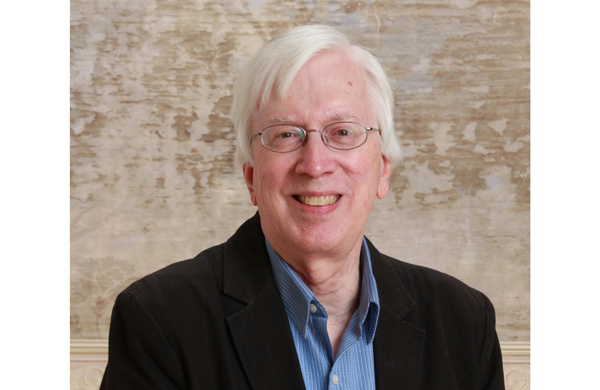
Gissele: Don’t forget to like and subscribe for more amazing content. And if you’d like to support the podcast, please go to buy me a coffee.com/love and compassion. Today we’re talking about how to become a more compassionate civilization in light of the world’s most recent events. Robertson Work is a nonfiction author, social ecological activist, and former UNDP policy advisor on decentralized government, NYU Wagner, graduate School of Public Service, professor of Innovative Leadership and Institute of Cultural Affairs, country Director, conducting community organizational and leadership initiatives.
Gissele: He has worked in over 50 countries for over 50 years and is founder of the Compassionate Civilization Collaborative. He has five published books and has [00:01:00] contributed to another 13. His most well-known book is a Compassionate Civilization. Every week he publishes an essay on Compassionate Conversations on Substack.
Gissele: Please join me in welcoming Robertson work. Hi Robertson.
Robertson: Hi Giselle. How are you?
Gissele: I’m good. How about yourself?
Robertson: I’m good, thank you. I here in the Southern United States. I’m glad you’re in wonderful Canada.
Robertson: great admiration for your country.
Gissele: Ah, thank you. Thank you.
Gissele: I wanted to talk about your book. I got a copy of it and it was written in 2017, but as I was reading it, I really found myself listening to things that were almost prophetic that seemed to be happening right now. What compelled you to write Compassionate Civilizations at this moment in history.
Robertson: Yes. Thank You you so much, and thank you for inviting me to talk with you today.
Robertson: And I wanna say I’m so touched by the wonderful work of the Matri Center for Love [00:02:00] and Compassion. I have enjoyed looking at your website and listening to your podcast and hearing Pema Chodron speak about self-love. If it’s okay, I’d like to start with a few moments of mindful breathing
Gissele: Yes, definitely.
Robertson: okay. I invite everyone to become aware of your breathing, being aware of breathing in and breathing out. Breathing in the here and in the now. Breathing in love. Breathing in gratitude. I have arrived. I am home. I’m solid. I am free breathing in, breathing out here now.
Robertson: Love [00:03:00] gratitude. Arrived home solid free. Okay. And to your question, after working in local communities and organizations around the world with the Institute of Cultural Affairs and doing program and policy work with UNDP and teaching grad school at NYU Wagner, I felt called to articulate a motivating vision for how to embody and catalyze a compassionate civilization.
Robertson: So each of us can embody, even now, even here, we can embody and catalyze a compassionate civilization in this very present moment. We don’t have to wait, you know, 50 years, a hundred years, a thousand years. we can embody it in the here and the now. So I was increasingly aware of climate change, climate disasters, [00:04:00] the rise of oligarchic, fascism, and of course the UN’s sustainable development goals.
Robertson: I also had been studying the engaged Buddhism of Thich Nhat Hahn for many years, and practicing mindfulness and compassionate action. As you know, compassion is action focused on relieving suffering in individual mindsets and behaviors, and collective cultures and systems. The word that com it means with, and compassion means suffering.
Robertson: So compassion is to be with suffering and to relieve suffering in oneself and with others. So, I gave talks about a compassionate civilization in my NYU Wagner grad classes and in speeches in different countries. Then in 2013, I started a blog called The Compassionate Civilization. So in 2017, there was a [00:05:00] new US president who concerned me deeply and who’s now president again.
Robertson: So a Compassionate Civilization was published in July of that year, as you mentioned, 2017. The book outlines our time of crisis and provides a vision, strategies and tactics of embodying and catalyzing a compassionate civilization, person by person, community by community. Moment by moment it it includes the movement of movements, mom that will do that.
Robertson: Innovative leadership methods, global local citizen, and practices of care of self and others as mindful activists. So there’s a lot in it. Yeah. The Six strategies or arenas of transformation are environmental sustainability, gender equality, socioeconomic justice, participatory governance, cultural tolerance and peace, and non-violence, socio.
Robertson: So since then [00:06:00] I’ve been promoting the Compassionate Civilization Collaborative, as you mentioned, to support a movement of movements. The mom,
Gissele: thank you for that. I really appreciated that. And I really enjoyed the book as well. It’s so funny that, the majority of people see a world that doesn’t work and they want things to change, but they don’t do something necessarily to change it. When did compassion shift from a private virtue to a public mission for you?
Robertson: Great question. Thank you. I think it began the private part began very early in my Christian upbringing. I was raised by loving parents to love others. You know, love of neighbor is the heart of Christianity. And understand that love is the ultimate reality. You know, that you know, as we say in Christianity, God is love.
Robertson: So then when I went off to college at Oklahoma State University, I found myself being a campus activist. So I shifted to activism for civil rights. We were [00:07:00] demonstrating for women’s rights and for peace in Vietnam. As you know, the Vietnam War was raging. And after that, I attended Theological Seminary at Chicago Theological Seminary, but.
Robertson: My calling happened when I was still in college, and it was in a weekend course, just a one weekend in Chicago. Some of us drove up and attended a course at, with the ecumenical Institute in the African-American ghetto in Chicago. And my whole life was changed in one weekend. I mean, I woke up that I could make a difference and I could help create a world that cared from everyone, you know?
Robertson: And here I was. I was what? I was a junior in college. So then after that, I worked after college and grad school. I worked in that African American ghetto in Chicago with the Ecumenical Institute. And then in Malaysia, I was asked to go to Malaysia and my wife and I did [00:08:00] that,
Robertson: And then. We were asked to work in South Korea, which we did. And then the work shifted from a religious to secular is we now call our work the Institute of Cultural Affairs. And from there we worked in Jamaica and then in Venezuela, and then back in the US in a little community in Oklahoma
Robertson: And then I also worked in poor slums and villages. So then with the UNDP. I worked in around the world giving policy advice and starting projects and programs on decentralized governance to help countries decentralize from this capital to the provinces and the cities and towns and villages to decentralize decision making.
Robertson: Then my engaged Buddhist studies particularly with Han and his teachers and practice awakened me to a calling to save all sentient beings. what [00:09:00] an outrageous calling, how can one person vow to save all sentient beings? But that’s what we do in that tradition of the being a BofA.
Robertson: So through mindfulness and compassionate actions. So then I continue my journey by teaching at NYU Wagner with grad students from around the world. I love that so much. Then to the present as a consultant, speaker, author, and activist locally, nationally, and globally. So Gissele has been quite a journey, and here we are in this moment together, in this wild, crazy world.
Gissele: Yeah, for sure, One of the things that I really loved about your book that you emphasize that we need to have a vision for the world that we wanna create. If we don’t have a vision, then we can’t create it, right? many of us are, focusing on anti, anti-oppressive, anti crime, anti this, anti that.
Gissele: But we’re not really focusing on what sort of world do we wanna create? and I’ve had conversations with so many people, and when I ask the question, if people truly [00:10:00] believe. The human beings could be like loving and compassionate, and we could create a world that would be loving and compassionate for all many people say no.
Gissele: And so I was wondering, like, did you always believe that civilization could be compassionate or did you grow into that conviction?
Robertson: Great question. I definitely grew into it. Yeah. even as a child, I was awakened, you know, by the plight of African Americans in my country, in our little town in Oklahoma.
Robertson: So I kind of began waking up. But I wasn’t sure, how much I or we could do about it. So I really grew into that conviction through my journey around the world working in over in 55 countries, it’s interesting the number of people your podcast goes to serving people and the planet.
Robertson: So. Everywhere I worked Gissele, I was touched by the local people, that people care for each other, you know, in the slums and squatter settlements, in villages, in cities, the, the rich and the [00:11:00] poor. everywhere I went regardless of the culture, the language, the races, the issues the, the local people were caring.
Robertson: So my understanding is that compassion is an action. It’s not just a feeling or a thought. It’s an action to relieve suffering in oneself and in others. but suffering is never entirely eliminated. You know, in Buddhism, the first noble truth is there is suffering, and it continues, but it can be relieved as best we can with through practices, through projects, through programs, and through policies.
Robertson: So what has helped me is to see, again, a deep teaching in Buddhism that each person is influenced by negative emotions of greed, fear, hatred, and ignorance. And yet we can practice with these and to become aware of them and just, and to let them go, you know, and to practice evolving into loving kindness as [00:12:00] you, as you do in in your wonderful center.
Robertson: Teaching more loving, kindness, trust and understanding. We can embrace inner being that we’re all part of everything. We’re all part of each other. You know, we’re part of the living earth. We’re part of humanity. I am part of you, you are part of me. And impermanence, you know, that there is no separate permanent self.
Robertson: Everything comes and goes, and yet the mystery is there’s no birth and death. ’cause you and I. we’re part of, this journey for 13.8 billion years of the universe, and yet we can, in each moment, we can take an action that relieves our own suffering and in others. So, as you said, a vision is so, so important.
Robertson: I’m so glad you touched on that, that a vision can give us a calling to see where we can go. It can motivate us, push us, drive us to do all that we can to realize it, you know, if I have a vision for my family. To care for my family. If [00:13:00] I have a vision for my country, if I have a vision for planet Earth, that can motivate me to do all I can do to make that really happen.
Robertson: So right now there are so many challenges facing humanity, climate disasters. Oh my, I’m here in Swanno where we’ve had a terrible hurricane in 2024. We’re still recovering from it. Echo side, you know, where so many species are dying of plants and animals. It’s, it’s one of the great diebacks of in evolution on earth, oligarchic, fascism.
Robertson: Right now, we’re in the midst of it in my country. I can’t believe it. You know, you’re, you’re on 81. I, I thought I was, gonna die and still live in a country that believed in democracy and freedom and justice. And so now here we, I have to face what can I do about oligarchic, fascism and social and racial and gender injustice.
Robertson: Other challenges, warfare. And here we are in this crazy, monstrous war [00:14:00] in the Middle East. You know, what can we do? What can I unregulated? Artificial intelligence very deeply concerns me. we’ve gotta regulate artificial intelligence so it doesn’t hurt humans and the earth.
Robertson: It doesn’t just take care of itself. So, you know, it’s easy Gissele to be despairing and to give up, you know, particularly at this moment. But actually at any time in our life, we’re always tempted to say, oh, well, things will be okay, or There’s nothing I can do, you know, but neither of those is true.
Robertson: There are things we can do. We can stop and breathe and continue doing what we can where we are. with what we have and who we are. We do not have to be stopped by despair or by cynicism or by hopeism. We don’t. So thank you for that question about vision. I vision still wakes me up every day and calls me forward.
Robertson: I’m sure it does. You as well.
Gissele: Yeah. I [00:15:00] mean, without vision, it’s like you don’t have a map to where you’re going to, right.what’s our destination if we don’t have a vision? And so this is for me, why I loved your book so much. you are helping us give a vision
Gissele: I mean, the alternative is what is the alternative? there’s my next question. What happens to a society that abandons compassion?
Robertson: Exactly. Well, I sort of touched on it before. it falls into ignorance and into greed. Wanting more wealth, more power. for me for my tribe and, and falls into hatred, falls into fear, falls into violence, and that’s happening now, she said.
Robertson: But I love what Thich Nhat Hahn reminds us of, of is that if there is no mud, there is no lotus. And that, that means is, you know, if there is no suffering, there can be no compassion . So without suffering and ignorance, there is no compassion or wisdom, because suffering calls us to relieve it. when I see [00:16:00] my wife or children in pain, I want to help them.
Robertson: or when I see others, neighbors, you know, during the pandemic, our neighbors took food and water to each other. You know, after the hurricane, neighbors brought us water. suffering calls the best from us, it can, it can also call, call other things. But again, there’s no mud.
Robertson: The lotus cannot grow. So we can continue the journey step by step and breath by breath. So that’s what I’d say for now. but that’s an important question.
Gissele: you said some key things including that, people have a choice. They can choose to be compassionate, or they can choose to use that fear for something else, right.
Gissele: But I often hear from people, well, you know, they want institutions to change. why are the institutions more, equitable, generous, compassionate and you know, like. I don’t know if we have a vision for what compassionate institutions look like, [00:17:00] what would compassion look like at that level?
Robertson: Oh, that’s where those six areas you know, the compassion would look like practicing ecological regeneration or sometimes called environmental sustainability. You know, that we we’re part of the living Earth gazelle, We’re not separate from the earth . We breathe earth air, we drink earth water.
Robertson: We you know, the earth. Hurricanes come. The earth. Floods come We are earthlings. I love that word, earthlings, and so, how do we help regenerate the earth as society? And that’s why, you know, legislation aware of climate change, you know, to reduce carbon emissions.
Robertson: The Paris Accord, and that’s just one example, how do we have all laws for gender equality so that women receive the same salaries as men and have the same rights. as men, we gotta have the laws, the institutions you know, and the participatory democracy, that we have a constitution.
Robertson: a constitution is a vision. of what we are all about. Why are, we’re [00:18:00] together as a country, so that we can each vote and express our views and our wishes, and that government is by foreign of the people. It is. So it’s, it’s critical, you know, that we vote and get out the vote again and again and again.
Robertson: And to create those laws, those institutions they care for everyone. And the socioeconomic justice. we need the laws and institutions that give full rights to people of color to people of every culture and every religion, and every gender every transgender, every human being, every living being has rights.
Robertson: That’s why the Universal Declaration of Human Rights is so important. I’m so grateful that it was created earlier in the last century in my country our country cannot go to war without congressional approval.
Robertson: Aha. did that just not happen? Yes. But it’s in the Constitution. the law says that we must talk about it [00:19:00] first. We must send the diplomats. We must doeverything we can before we harm anyone. War is hell. there are other ways of dialogue and diplomacy.
Robertson: we can do better. But again, it takes the laws and institutions.
Gissele: thank you for that. I do think that we have some sort of sense in terms of what we find doesn’t work for us, right? these institutions don’t work, they’re based on separation, isolation, punishment, and we see that they don’t work. We see that, like inequality hurts everyone.
Gissele: We see that all of these things that we’re doing have a negative impact, including war. And yet we don’t change. What do you think prevents societies from becoming more compassionate?
Robertson: if we’re in a society that if harming people through terrible legislation and laws and policies that makes it hard for people then have to either rebel and then they can be you know, killed. Or they have to form movements peaceful movements like the [00:20:00] Civil Rights Movement in my country, you know, with Martin Luther King leading peace marches and our peaceful resistance, in Minneapolis, the peaceful resistance to ice, so what one big thing that’s, that makes people think they can’t be compassionate again, is the, larger society, you know, the institutional frameworks and legislations and laws and government practices.
Robertson: But even then, as we’re seeing, you know, in Minneapolis and everywhere, and Canada is leading in so many ways, I think I, I’m so grateful for the leadership of your, your prime minister, calling the world thatwe must not let go of the international rules rules based international practices that we’ve had for the last 80 years, my whole life.
Robertson: You know, we’ve had the, the UN and the international rules and now some powers want to throw those out, but no, no, we are gonna say no. we’re [00:21:00] surrounded by forces of wealth and power as we know. And however we can each do what we can to care for those near hand, far away, the least the last, and the last for ourselves, moment by moment.
Robertson: Breath, breath by breath. And sometimes we, the people can change history and the powerful can choose compassion. And, we’ve changed history many times. We’ve created democracy. We, the people who have created civil right. Universal education and healthcare of the UN and much more.
Robertson: you touched a moment ago on the pillars of a compassionate civilization. You know, there are 17 UN sustainable development goals, as you know, but I decided 17 was a big number, so I thought, why don’t we just have six? That’s why my book, it has six arenas of transformation for ease of memory and work.
Robertson: and they are environmental sustainability, gender equality, socioeconomic justice, participatory governance, cultural tolerance, peace and nonviolence. So modern [00:22:00] societies can be prevented from being compassionate also by Negative emotions as we were talking about, of ignorance, greed, hatred, and violence.
Robertson: Greed thinking, I need more wealth. I’m a billionaire, but I need another billion. You know, I’m the richest billionaire in the world, but I wanna buy the US government hatred, violence. So these all for me, all back into the Buddhist wisdom of the belief that I’m a separate self.
Robertson: Therefore, all that’s important is my ego. Hell no, that’s wrong. You know, my ego is not separate. When I die, my ego’s gone. You know, all that’s gonna be left when I die, or my words and my actions, my actions will continue forever. my words will continue forever. May I, ego? No. So the, if I believe my ego is all there is, and I can be greedy and hateful and fearful and violent, but ego, unlimited pleasure and narcissism, fear of the other, ignorance of cause and effect, these don’t have to drive us. So [00:23:00] structures and policies based on negative emotions and the delusion of a separate self and harm for the earth. We don’t have to live that way. We don’t have to believe propaganda and misinformation and ignorance, and we can provide the education needed and the experience.
Robertson: We don’t have to accept wealth hoarding. You know, why do we have billionaires? Why isn’t $999 million enough? Why doesn’t that go to care for everyone and to care for the earth? So again, we have to let go of wealth hoarding of power hoarding.
Robertson: we don’t need all that wealth. We don’t need all that power. We can, we can care for each other. We can care for the earth.
Gissele: There, there are so many amazing things that you said. I wanted to touch on two the first one is that I was having a conversation with an indigenous elder, and he said to me, you know, that greed is just a fear of lack, right?
Gissele: And it really stopped me in my tracks because, when we see people hoarding stuff in their [00:24:00] house, we think, well, that’s abnormal. And yet we glorify the hoarding of wealth. But it isn’t any different than any sort of other mental health issue in terms of hoarding. And so that really got me to think about the role of fear.
Gissele: And, if somebody’s trying to hoard money, it’s not getting to the root of the problem, issue. It’s never gonna be enough because they’re just throwing it into an empty hole. It’s a a billion Jillian, it’s never gonna be enough because it’s never truly addressing the problem.
Gissele: But one of the things that you said as we were chatting is, that the wealthy, the elite, they can choose compassion, they can always choose it, which is an amazing insight. And yet I wonder, you know, in terms of people’s perspectives of compassion and power, do you think that the two go hand in hand or can they go hand in hand?
Gissele: Because I think there might be some worries around, well, if I’m more compassionate, then I’m gonna be, taken advantage of, I’m gonna be, a mat. what is your [00:25:00] perspective?
Robertson: Oh, I agree with everything you said and your question is so, so important. Thank you so much.
Robertson: there are billionaires and then there are billionaires like Warren Buffet. Look, he’s given. Tens of billions of dollars away, hundreds of billions of dollars away, and other billionaires have done that. And then there are the billionaires, who think 350 billion isn’t enough.
Robertson: You know, I need more. Well, that’s crazy. That is sick. That is sad that, that is a disease. And we have to help those people. I feel compassion for billionaires who think they need another 10 billion or another a hundred billion, or they need five more a hundred million dollars yachts, or they need another 15 $200 million houses around the world and that that is very sad.
Robertson: And that they’re really suffering. They’re confused. Yeah. They forget what it means to be human. They’ve forgotten what it needs to be. An earthling that we’re just here for a moment.
Gissele: Agree.
Robertson: We’re just here for a moment, for a [00:26:00] breath, and we’re gone. Breathe in, we’re here, breathe out, we’re gone. And so we can stop.
Robertson: We can become aware of that fear, as you said. We can take good care of that fear. I love the way Thich Nhat Hahn says. He says, hello, fear, welcome back. I’m gonna take good care of you. Fear. I’m gonna watch you take care of you. You’re gonna Evolve. ’cause everything is impermanent. Everything changes. So fear will change.
Robertson: Fear can change. Fear always changes It evolves into Another emotion, another feeling, So let it go. Let it go. In the truth of impermanence. ’cause everything is impermanent. Fear is impermanent. So we also can remember the truth of inter being that I am part of what I fear, I am part of.
Robertson: This current federal administration. You know, I’m part of the wealthy elite, and it is part of me. I fear of the US administration right now, but it is part of [00:27:00] me and I’m part of it. I fear climate change, but it is part of me. I’m part of it. I fear artificial intelligence , unregulated. I fear old age, but boys, I’m 81 and a half, it’s here.
Robertson: So I’m gonna take care of it. I’m gonna say, Hey, old man, I’m gonna take care of you. And they’re all me. There’s no separation. I love Thich Nhat Hahn’s word. We enter are, we enter are now, how can I stop, become aware of fear, breathe in and out, and know the truth of inter being and impermanence and accept it.
Robertson: Care for it. get out to vote, care for the self, write , speak, do what I can to care for what I can. My family, my neighbors, my city, my county, my country, my world. And everything changes. Everything passes away. Everything comes in and out of [00:28:00] being, what happened to the Roman Empire?
Gissele: Mm,
Robertson: what’s happening to the American Empire. Everything comes in and goes out like a breath, breathing in and breathing out. And then everything transforms into what is next? What is next? what is China going to bring? Ah, there is so much that we don’t know,
Robertson: I love Thich Nhat Hahn’s teaching that. when we become aware of a negative emotion, we should Stop, breathe, smile. And then say, oh, welcome. Fear. Welcome back. Okay, I’m gonna take care of you. Okay, we’re in this together.
Robertson: And then you just, you keep breathing in awareness and gratitude and things change. Your grandkid calls you, your baby calls you, your dog, your cat. You see the clouds, you see the earth, the sun. You see a star. You realize you’re an [00:29:00] animal. You know the word animal means breath.
Robertson: We are animals. ’cause we breathe. We’re all breathing. So I love that. You know it. I love to say I am an animal. ’cause I, you know, we, human beings are often not, we’re not animals. We’re superior To animals, you know? Right. we are animals, that’s why we love our dogs and cats and we can love our, the purposes and the elephants and the tigers and the mountain lions and, and the cockroaches and the chickpeas and the cardinals we are all animals.
Robertson: We’re all breathing. So I love that.
Gissele: Yeah. Yeah. Oh, that was so beautiful. I felt that also, I really appreciated the practice too. In this time when we, like so many us are, are feeling so much fear and so much uncertainty and not knowing how things are gonna pan out, to just take a moment to breathe and reconnect to our true selves, I think is so, so fundamental.
Gissele: And I hope that listeners are also doing it with us. you know, as I have [00:30:00] conversations with people around the world we talk a lot about, the way that the systems are set up, the institutions.
Gissele: And it took a lot of hard work for me to realize that we are the institutions, just like you said, so the institutions are made up of people. And I was so glad to see that in your book, that you clearly say, you know, like it’s about people. It’s about us. It’s like we make up these institutions, you know?
Gissele: And when I’ve looked at myself, I’ve asked myself, who do I wanna be? What do I really, truly wanna embody? And my greatest wish for this lifetime is to embody the highest level of love and to truly get to the point where I love people like brothers and sisters, that I care for them and that we care for one another.
Gissele: And yet, there are times when I wanna act from that place, but the fear comes up, the not wanting or not trusting or believing when the fear comes up, how can compassion really help us change ourselves so that we can create a [00:31:00] different world?
Robertson: What you said is so beautiful, and your question is so powerful. Thank you. Yes. And I’m gonna get personal here. we can do what we can, we can take care of ourselves, we can take care of others as we can, but we shouldn’t beat ourselves up when we can’t. You know?
Robertson: So I, here I’m 80, I’m over 81, and I have issues with balance and walking, and I have some memory issues and some low energy issues. So I have to be kind to myself. I, so I’ve just decided that writing is my main way of caring for the world. That’s why I publish one or two essays a week on Substack, on Compassionate Conversations for 55 countries in 38 states.
Robertson: And so I said, you know, I used to travel around the world all the time. Not anymore. I don’t even want like to travel around the county.
Robertson: Anyway, I’m an elder , so I have to say , okay, elder, be kind to [00:32:00] yourself, but also do everything you can, write everything you can speak with Gazelle if you can.
Robertson: I also have to decide who I’m gonna care for. I’ve decided I’m gonna care for my wife who just turned 70 and my two kids and my two grandkids, my daughter-in-law, my cousins and nieces and nephews, my neighbors here and North Carolina.
Robertson: The vulnerable, you know, I give to nonprofits who help the hungry and the homeless to friends and to people around the world through my writings and teachings And so the other day I drove to get some some shrimp tacos for my wife and me for dinner.
Robertson: And a lady came up and she had disheveled hair. And she just stood by my car and I put the window down a little and she said. can you drive me to Black Mountain? that’s not where we were. I was in another town. ‘ cause I’m out of my medicine.
Robertson: She just, out of the blue said, stood there and said that. And I thought, [00:33:00] oh, oh, hmm. Oh, so, oh yes. So I, I wanted to say, but who are you? How are you? Do you live here? Do do you have any friends or family? Do you, you, can I give you some money? Do you have, but I was kind of, I was kind of struck dumb, you know?
Robertson: I thought, oh, oh, what should I do? And so I said, oh, I’m so sorry I don’t live in Black Mountain. And she said, oh. And she just turned and walked away and she asked two other cars and they said no. And then she walked away. And then she walked away. I thought, oh, Rob, Rob, is she okay? Does she have a family?
Robertson: Did she have a house? What if she doesn’t get her medicine? How can she walk to that town? Could you have driven her and delayed taking dinner home to your wife? And then I said, but I don’t know. And then I thought, oh, but she’s gone. And I then I said, okay, Rob. Okay, Rob, [00:34:00] you’ve lived 81 years. You’ve cared for people in the UN in 170 countries.
Speaker 3: Yeah.
Robertson: And you’ve been in 55 countries, you’re still writing every week, you’re taking care of your neighbors and family and friends. Don’t beat yourself up. Old guy. Don’t beat yourself up. But next time, you know what Rob, I’m gonna say, Hey, my dear one, are you okay? I don’t have any money, but I can I buy you?
Robertson: We are here at the taco shop, Can I buy you dinner? I would, I’m gonna say that next time, Rob. I’m gonna say that. and then I also gazelle,I’m gonna support democratic socialist institutions. You know, some people are afraid of that word, democratic socialist.
Robertson: But you know, the happiest countries in the world are democratic socialist countries. Finland is the world’s happiest country. Denmark, Sweden, Norway, the Netherlands, Iceland, those are in the top 10 [00:35:00] when they’ve, when there have been analysis of, if you, if you Google happiest countries in the world,
Robertson: those Nordic countries come up every year. Why? They are democratic socialist countries. You pay high taxes and everybody gets free college. You know, free education, free college, free health everybody gets taken care of in a democratic socialist country in the Nordic countries and New York City.
Robertson: I’m so proud that our new mayor in New York City Zoran Mai is a democratic socialist. He is there to help everybody, but particularly those who are hurting the poor, the hungry , the sick, or the people of color, women, the elderly, the children. I’m so proud of him and I write about him on my substack and I write him
Robertson: I he’s one of my heroes just like Bernie Sanders is one of my heroes. And Alexandria Ocasio Cortes, a OC is one of my, my heroes, CA [00:36:00] Ooc. So, and you know, I used to never tell anybody I was a Democratic socialist ’cause I was afraid. I thought, oh, they’ll think I’m a socialist. Hell no. I am now proud to say I’m a democratic socialist.
Robertson: I’m a Democrat. I vote the Democratic ticket, but I’m always looking for progressives, progressive Democrats, you know, democratic socialist Democrats. because, you know, our country can be more like Finland, Denmark, Sweden, Norway, the Netherlands, Iceland New York City. New York City is showing us the way America can be like a New York City.
Robertson: I’m so proud of New York City and I used to live in New York City so as an old person. I can only do what I can do. and I’m not saying, oh, I poor me. I can’t do anything. No, no. I’m not saying that. I’m saying I can do a hell of a lot as this 81-year-old, it’s amazing what I can do, but that is why I write and speak and care for my family, neighbors, friends, the poor.
Robertson: [00:37:00] Donate to nonprofits for the homeless and the hungry vote. Get out the vote. So yes, that’s my story. Gazelle.
Gissele: I totally relate. I mean, I’ve been in circumstances like that as well, where you wanna help. But the fear is like, what if a person kills you? What if they don’t really have medication?
Gissele: What if you get hurt or they try to rob you or they have mental health problems? Mine goes to protection and it is very human of us to go there first. And so, so then we get stuck in that ping pong in that moment and then the moment passes and you’re like, you know, was it true? Could I have driven that person?
Gissele: And that would’ve been something I wanted to do for sure. But in that moment, you are stuck in that, yo-yo, when the survival comes in. And so helping ourselves shift out of that survival mode, understanding and learning to have faith and trust. And for me that’s been a work in progress.
Gissele: It really has been a work in [00:38:00] progress. The other thing I wanted to mention, which I think is so important that we need to touch on. It’s the whole concept of socialism. So I was born in South America before I came to Canada and so I remember lots of my family members talk about this, there’s many South American countries that got sold communism, as socialism we’re talking about approaches that instead of it being like a democratic socialism that you’re talking about, which is the government, make sure that people are taking care of and that the people are probably taxed and provided for what would happen in those countries was that.
Gissele: Everything got taken away. People were rationed certain things, and, it was horrible. it was not good, but it was not socialism. And there was many governments that took the majority of the money, then spent it on themselves, left the country, took it themselves, and so especially the Latin American community is very much afraid of socialism because they think back to that, the [00:39:00] rationing of electricity, the rationing of food, the rationing of all of that stuff, it wasn’t provided openly.
Gissele: It was, everybody gets less. And so you have these people with this history that then have come to the US and think they don’t want socialism. They think democracy means that people aren’t gonna take stuff away from them, but that’s not what it means either. ’cause I don’t even know if like in North America we have a true democracy.
Robertson: so thinking about reframing of how we think or experience democratic socialism, that it doesn’t mean less for everybody and in everything controlled by the government. It means being provided for abundantly and, also having the citizens be taxed more, which means we are willing to share our money so that we can all live well, Beautiful. Beautiful. Oh, thank you. Hooray. Wonderful. What country are you? May I ask where you coming?
Gissele: Yeah, of
Robertson: course.
Gissele: Peru, I
Gissele: [00:40:00] Yeah.
Robertson: Wonderful. I’ve been to Peru a few times. A wonderful, beautiful country. And I, I lived in Venezuela for five years. ‘ cause I love, I have many friends in Venezuela.
Robertson: But anyway I agree with everything you just said. That’s why I said what I said that I now can, I can confess that I am a democratic socialist. And that’s not socialism. It’s a social democracy is what it’s called. Yeah. That’s what they call it in Finland and Denmark and so on.
Robertson: They call it social democracy. It’s democracy. But it, as you say, it’s cares for everyone and for the earth. We have to always add and the earth, ’cause you know, all the other species and, and the other life forms and the ecosystems, the water, the soil, the air, the minerals the plants, the animals.
Robertson: and we have the money, as you said. I mean, if I had $350 billion, think of what taxes I could pay if the tax rate was, you know, 30%. [00:41:00] And rather than nothing, some of these, some of these folks pay,
Gissele: well, I think we have glorified that we all wanted that, right? Like we got sold this good that oh, we should all want to be as wealthy as possible, right? And so we normalize the hoarding of money. Not the hoarding of other stuff, right?
Gissele: And so we have allowed that, which gets me to my, next point, you talk about the environmental impact as part of a compassionate society, which absolutely is necessary.
Gissele: And as human beings, we can be so lazy. We want convenience. We want to, have our package the next day. We don’t wanna wait. are we willing to pay higher wages? Are we willing to wait? Longer for our packages, like, are we willing to, invest in our wardrobe instead of buying fast fashion?
Gissele: We don’t do these things and these have environmental impacts, and it also have human impacts, and at the end, they have impact on us. What can we do to ensure that, that we address that [00:42:00] complacency so that we are creating a fair, affordable , and compassionate world.
Robertson: So important. Thank you.
Robertson: It’s, it’s a life and death question. So yes, we should always ask about ecological and social impacts and take actions accordingly. That’s why I recycle every day. You know, some people say, oh, recycling is stupid. What do they really do with this, with it? You know, are they, are they really careful when you, they pick it up?
Robertson: but I recycle religiously every day That’s why I support climate and democracy through third act. There’s a group that Bill McKibbon has started here in the US called Third Act. It’s a group of elder activists, activists over 60 who are working on climate and democracy issues.
Robertson: So I’m doing that. That’s why I vote and get it out to vote. And as I said, I vote for Democrats and Democratic socialists. That’s why I write and speak and vote for ecological regeneration for social justice, for peace, for [00:43:00] democratic governance. It’s so critical that we keep questioning our actions like.
Robertson: Okay, why am I recycling? Is it really worth the time? You know, deciding about every item, where it goes, and then putting out it out carefully and rinsing it first. And is that really going to help the world? ’cause you also know we need systemic changes, because you can always say, oh, but what the individual does doesn’t matter.
Robertson: We need laws, we need institutions of ecological regeneration, and we need laws on caring for the climate and stopping climate change. So you can talk yourself out of individual responsibility when you realize that we need laws and institutions that protect the environment.
Robertson: But it’s both. It’s both. what each person does, because there are millions of us individuals. So if there are millions of us act responsibly, that has, is a huge impact. And then if we [00:44:00] also have responsible laws and institutions that care for the environment as well as all people, then that’s a double win.
Robertson: So I agree with you. We have to keep asking that question over and over and making those decisions and they’re hard decisions. We have to decide.
Gissele: Yeah, I’ve had to look at myself like one of the commitments I’ve made to myself is not buying fast fashion. And so, investing in pieces, even though sometimes I feel lack oh my God, spending that much money on this, you know?
Gissele: Yeah. It all comes back to me. if I am not willing to pay a fair wage, that means that the next person doesn’t get a fair wage, which means they don’t wanna pay a fair wage and so on and so forth. And then it comes back to me, you know, my husband has a business and then, you get people that don’t also wanna pay a fair wage.
Gissele: It’s all interconnected. And so we have to be willing, but that also goes to us addressing our fear, our fear of lack, that we’re not gonna have enough. All of those things. And the biggest fundamental [00:45:00] fear, and you mentioned death to me, is the ultimate
Gissele: fear That we must overcome I think once we do, like, I think once we understand that we are not, this human vessel.
Gissele: that we’re not just this bag of bones and live in so much constrained fear that perhaps we could. really open up ourselves to be willing to be more compassionate . What do you think?
Robertson: Absolutely. I’m with you all the way. Yes. We fear death because we’re caught in that illusion of a separate permanent self.
Robertson: You know, it’s all about me. Oh, this universe is all about me. The universe was created 13.8 billion years for me.
Robertson: Yeah. But it’s all about me and particularly my ego, honoring my ego. Building up my ego, praising my ego being, you know, that’s why I wanna be rich and famous.
Robertson: Fortunately, I never wanted to be rich or famous, but that’s another story. We’ll talk about that some other time. But everything and [00:46:00] everyone is impermanent. When I realized that truth and it, it came to me through engaged Buddhism, but you could, you could get that truth in many, many ways.
Robertson: That everything and everyone is impermanent. we’re part of the ocean. But the waves don’t last forever, do they? But the ocean lasts forever.
Robertson: So My atoms, are part of the 13.8 billion year old universe. my cells are part of the living earth. Yes, they remain When I die, you know, go back into the earth. back into the soil and the water and the air but My ego doesn’t remain. What, what remains, as I said before, are my actions.
Robertson: Everything I did is still cause and effect. Cause and effect. Rippling out. Rippling out. Okay. Rob, what did you do? What did you say? did you help that, did you touch that? Did you say that? so my actions and words continue rippling forever. So Ty calls that, or in the Plum Village tradition of engaged Buddhism, it’s called my continuation.
Robertson: Your actions and your words [00:47:00] are your continuation that last forever as your actions and words will continue through cause and effect touching reality forever. So when my ego does not remain so I can smile and let it go. I often think about my continuation. You know, I say, well, that’s why, maybe why I’m writing so much and speaking so much.
Robertson: And caring for so many people every day, you know, caring to care for my wife and my children and grandchildren and friends and neighbors, and the v vulnerable and the hungry, and the homeless, and the, and my country, and my city, and my county, and my, and why do I write substack twice a week?
Robertson: And containing reflections on ecological, societal, and individual challenges and practices. And so every, week I’m writing about practices of mindfulness and compassion. So I’m trying to be the teacher. I’m trying to send out words of mindfulness and compassion so that they will continue reverberating when I’m dust,
Robertson: So [00:48:00] I’m reaching out. In my substack to just those 55 people in 55 countries, in 38 states, touching hearts and minds and even more on social media. every month I have like 86,000 views of my social media. Why do I do it? It’s not just about ego, you know?
Robertson: Oh, Rob, be famous. No, Rob is not famous. I’m a nobody. I gotta keep giving and giving and giving, you know, another word, another action, so I can, care for people around me through personal care, donations, voting, volunteering workshops, I’m helping start a workshop in our neighborhood on environmental resilience through recycling, through group facilitation.
Robertson: I’m trained in, facilitation. I’ve been trained my whole life to ask questions of groups so they can create their own plans and strategies and actions. that’s some of my answer.
Robertson: I hope that makes some sense.
Gissele: Thank you very much. I appreciated your answer and it made me really think you are one of our compassionate leaders, right? [00:49:00] You’re, you’re kind of carving the way and helping us reflect, ’cause I’ve seen some of your substack, I’ve seen like your postings.
Gissele: That’s actually how I kind of reached out to you. ’cause I was so moved by the material that you were sharing, the willingness to be honest about what it takes to be compassionate and how hard it can be sometimes to look at ourselves honestly, because we can’t change unless we’re willing to look at ourselves.
Gissele: All aspects of ourselves, like you said, we are the billionaires, we are the oligarchy, we are all of these people. The racism that voted that in the, the racism that continues to show the fear, all of that is us. And so from your perspective, what do compassionate leaders do differently?
Robertson: Yes. Well, it great question.
Robertson: what do compassionate leaders do differently? Well, he or she or they.
Robertson: are empathic. I think it starts with empathy. What are like, what are you feeling? What are you thinking?
Robertson: What are you, what’s happening in your life? So an empathic [00:50:00] leader listens to other people. They see where other people are hurting. They care. They ask questions and facilitate group discussions, enable group projects. They let go of self-importance, you know, that it’s not all about me.
Robertson: They let go of narcissism. They let go of, the ego project. They help others be their greatness. They care for their body mind so that they can care for others. and they donate and vote and recycle and more and more and more and more. did you know in Denmark. In elementary school every week, children are taught empathy.
Robertson: You know, they have courses on empathy,
Robertson: when I was growing up, I,didn’t have courses in school on empathy in church school, you know, in my Sunday school at, in my church. I was taught to love my neighbor and to love everyone, and that God was love. But in school, in my elementary [00:51:00] school and junior high and high school, we didn’t talk about things like empathy and compassion.
Gissele: Yeah. Thank you for sharing that. I did know about Denmark ’cause my daughter and I are co-writing a book on that particular topic. The need to continue to teach love and compassion in,
Gissele: being a global citizen. Right? And, and I’m doing it with her perspective because she just graduated high school, so she has like the fresher perspective, whereas mine’s from like many moons ago.
Gissele: We need to continuously educate ourselves about regulating our own emotions, having difficult conversations, hearing about the other, other, as ourselves. Because that’s, from my perspective, the only way that we’re gonna survive. a friend of mine said it the best that we were having a conversation and she does compassion in the prison system and she says, I can’t be well unless you are well.
Gissele: My wellness depends on your wellness. And that just hit me in my heart, like, ugh. Not that I live it every day, Robertson,
Gissele: every day I have to choose and some [00:52:00] days I fail, and other days I do good in terms of like be more loving and compassionate and truly helping the world. But it’s a choice. It’s a continual choice. So this goes to my biggest challenge that maybe you can help me with, which is, so I was having this conversation with my students. We were talking about how. In order to create a world that is loving and passionate for all, it has to include the all, even those who are most hurtful, and that is really difficult .
Gissele: I’m just curious as to your thoughts on what starting point might be or what can help us look at those who do hurtful things and just horrible things and be able to say, I see God within you. I see your humanity. Even though it might be hard.
Robertson: Yes, It is hard. several years ago when I would hear [00:53:00] leaders of my country speaking on the media, I would get so repulsed that I would turn it off but I began practicing.
Robertson: I practiced a lot since those days and I realized, you know. People who hurt, other people are hurting themselves. they’re actually hurting. they’re suffering. People who hurt others have their own suffering of, they’re confused. they’ve forgotten what it means to be human.
Robertson: They’re, full of, greed, of their own fears, all about me. Maybe they’re filled with hatred they become violent. they’re suffering. I still find it very difficult to read or listen to certain people.
Robertson: But what I do is I stop and I breathe and I smile and I say, okay.
Robertson: I care. I’m concerned about you. I don’t know what I can do, but I am gonna do everything I can to care for the people, being hurt, you know, like my fellow activists in [00:54:00] Minneapolis are doing, or elsewhere, we could mention many places around the world where people are risking their own lives.
Robertson: You know, in Minneapolis, two activists were killed, Ms. Good Renee Good, and Alex Pretty were killed because they went beyond their fear, you know? they got out there in the street because the migrants were being hurt and they got killed.
Robertson: So, you know, At some point you have to come to terms with your own death, I don’t know if I have a, a minute to go or 20 years, I still have to let go. And so how do I care for my wife, my family, my friends, my neighbors my country, the vulnerable, the homeless, the hungry, and, as you said, for the wealthy and powerful who are hurting others, you know, starting wars attacking migrants, killing activists.
Robertson: It’s hard. You know? So I have to say, I love the story of [00:55:00] when during the Vietnamese war Thich Nhat Hahn and his monks. They did not take sides. They did not say we’re on the side of the Vietnamese or the us. They did not take a side in the war. This is hard for me ’cause I, I usually take sides.
Robertson: The practice was, okay, we’re not going to support we’re Vietnamese or the us. Were going to care for everyone. So they just went out caring for people who were getting hurt and during the war, people who were hungry, people who needed food, people who were bleeding,
Robertson: So they decided their role was to care for those who were hurt not to attack. To say, I’m for the blue and I’m against the red. They said, I’m just gonna, care . Like, the activists in Minnesota, They’re, they’re not attacking ice, they’re singing to ice.
Robertson: And so yes, we have to acknowledge our own anger. [00:56:00] I’m angry with these politicians. sometimes I want, to hate them, but I have to say, I do not hate you, my friend. You are confused. You’re so confused. You’re hurting others. So you’re so hurtful.
Robertson: You don’t realize how you’re hurting others. But, I’ve got to try to stop you from hurting others. I’ve got to try to help those who are hurt and maybe I’m gonna get hurt, you know, because in the civil rights movement, if you’re out there doing on a peace march, you might get beaten up.
Robertson: as I said, I’ve lived in villages, poor villages, and. Urban slums in several countries. And some people could say, well, that’s stupid. You could get hurt. You know, you could, you could as a white person living in a African American slum or in a Korean village or in a Venezuelan village,
Robertson: So, you know, I say, was I stupid? Was I risking and I was with my wife and children? Was I risking the lives of my wife and children by living in slums and, and villages? Yes. Was I stupid? I mean, [00:57:00] no, I wasn’t stupid, but I was risking our lives. But I somehow, I was, called I wanted to do it. I said, okay.
Robertson: but my point is it’s risky, you know? And you have to keep working with yourself. That’s why I love the word practice.
Robertson: You know, in Buddhism we keep practicing, and I love your, the teaching of that you have on your website of Pema Chodron, you know, on self-love. You know, you have to keep practicing. How do I love myself? Say, okay, I’m afraid and I’m just this little white person, but or I’m this little old white person, but I’m gonna do everything I can and be everything I can.
Robertson: I really appreciated the story of Han not choosing sides. I mean, you’re right. If we are going to see each other’s brothers and sisters and is is one global family, we can’t pick a side over the other, even though we so want to.
Gissele: And, and I’m with you. when I think that there’s a [00:58:00] unfairness, when there’s people that are vulnerable or suffering, I’m more likely to pick to the side that is like, oh, that person is suffering. They’re the victim. But what you said is spot on. People that truly lovewho have love in their heart, like when you were raised with love.
Gissele: You had love to give others because your cup was full. So it overflowed to want to help others, to want to love others. People that are hurting, that don’t have love in their hearts are those that hurt other people.
Robertson: Mm-hmm.
Gissele: They must because they must be so separated from their own humanity.
Robertson: Yes, yes, yes.
Gissele: And yet things are changing. You mentioned Minnesota, and I wanted to mention that I love that they’re doing the singing chants, and they’re not making them wrong. they’re singing chants like you can change your mind. You don’t have to be wrong. You don’t have to experience shame and guilt for the choice you’ve made. You can always change your mind. And in your book, you talk a lot about movements. Do you wanna [00:59:00] share a little bit about the power of movements and helping us create a compassionate civilization?
Robertson: Oh, yes. Thank you. I’m, I’m a big movement fan. it started in college with the Civil Rights Movement. I realized, wow, you know, if a lot of people get together and do something together, it can make a difference. Like the Civil Rights movement.
Gissele: Yeah.
Robertson: And the women’s movement and peace movement.
Robertson: And like in Vietnam, the peace movement, we could really make a difference if we get out in March. I think that being an individual or part of an organization that is part of a movement can be a powerful force. And so I focus in my life and that, that book on the six movements that I’ve mentioned, and those movements can work together.
Robertson: And when they work together, they become a movement of movements. They become mom. Hmm. I like that because I I’m a feminist and I think that we need so [01:00:00] desperately we need more feminine energy inhumanity and in civilization.
Robertson: So I’m a unapologetic feminist. And so that’s why I like that the movement of movements, the acronym is Mom, you know, and so it’s the Moms of the World will lead us like you. And so they’re the movements of ecological regeneration, socioeconomic justice, I’m repeating gender equality, participatory governance, cultural tolerance, peace and non-violence.
Robertson: And you know, we also have the Gay Rights Movement, the democracy movement. there’s so many movements that it made a huge difference. So. I began saying that I, after writing the book, I said, okay,now my work is the work of the Compassionate Civilization Collaborative.
Robertson: And I decided I wouldn’t make an organization, I it, wouldn’t have a website, I wouldn’t register it. I wouldn’t raise money for it. It would just be anybody and everybody [01:01:00] who was part of the movement of movements who was working to create a compassionate civilization.
Robertson: So that’s what I did. And that’s where I am. I’m this old guy in my home. I don’t get out a lot. I don’t drive a lot. I just drive to nearby town. I have a car, but I don’t use it a lot. I don’t like to walk up and down hills.
Robertson: IAnd sometimes I can’t remember things and I say, Hey, but look, you have so many friends all over the world and you can keep encouraging through your writing. So that’s why I keep writing, you know, it is for the movement of movements.
Robertson: I guess that’s why I write. here’s something I want to share, something I thought or felt or something that I wrote about. And maybe it will touch you. Maybe it’ll encourage you. Maybe we’ll help you in your life.
Robertson: I live in a homeowners association neighborhood. It’s a neighborhood that has a homeowners association. We’re 34 families and we have straight families, gay families. we have white families and non-white families. [01:02:00] We have Democrats, Republicans and Socialists.
Robertson: We have Christians and Buddhists and Hindus. And so what I do, I say, Hey, we’re all neighbors. We all helped each other during the pandemic. We all helped each other after the hurricane. It doesn’t matter what our politics are or our religion or our sexuality, we’re all human beings.
Robertson: We’re all gonna die. we all want love. We all want happiness. And We can be good neighbors. We don’t have to have ideology, you know, we don’t have to quote the Bible, we don’t have to quote Buddha. We can just be good neighbors. So we’re gonna have a workshop this spring And so we’re all going to get together down the street in this big room, in the fire station, and we’re gonna have a two hour workshop. And will it help? I don’t know. Will it make us better neighbors? I don’t know. Why am I doing it? I’m driven to do it. I’ve done workshops all over the world and I wanna do a workshop in my neighborhood.
Robertson: I’ve done workshops with the un, I’ve done [01:03:00] workshops with governments, with cities So I love to facilitate. I love getting people together to solve problems together to listen to each other, respect each other, to honor each other.
Gissele: so I’m just gonna ask you a couple more questions. But I’m just gonna make a comment right now about what you said because I think it’s so important.
Gissele: Number one is I love that your neighborhood is a microcosm of what our world could be like . The fact that people got together to help and make sure that people were taken care of. If we could amplify that, that could be our world. I think that’s such a beautiful thing.
Gissele: And the other thing that I think is really fundamental is that even through your life, you are showing us that some people are going to go pickett. And that’s okay. Some people are gonna write blogs to help us, and that’s okay. Some people are gonna do podcasts, and that’s okay. There are things that people can do that don’t have to look exactly the same.
Gissele: Some people are going to have more courage, and they’re going to put their bodies in front and potentially get hurt. Other people, maybe they can’t do [01:04:00] that. So there are many different ways to help. The other thing that you said that was really, really key is the importance of moms . And that was one of the things that really touched me about your book, the acronym.
Gissele: I was like, oh my God, I so resonate with this. Because I do feel that we need more feminine energy. We really kind of really squash the feminine energy. But the truth of the matter is we need more because fundamentally, nurturance is a mother energy is a feminine energy.
Gissele: Compassion’s a feminine energy. Yes, yes, yes,
Robertson: yes, yes,
Gissele: so if I can share my story. Last night I was at hockey game. My son was playing hockey.
Robertson: Mm-hmm.
Gissele: And our team they don’t like to fight.
Gissele: We play our game and we have fun and we’re good. And so the previous teams that were there, it was under Youth 15, most of the game was the kids fighting. And taking penalties. And so the game ends, the people come off the ice and two men that are starting to get like into a fight [01:05:00] now, woman got in front of them.
Gissele: Wow. and said, we all signed a form that said, this is just a game. Remember who this is for? even though she was elevated, she totally stopped that fight between two men that we were not small. And So it was, it was really interesting.
Robertson: Wonderful.
Gissele: it was a woman who actually stopped a fight
Gissele: It’s the feminine power. And that doesn’t mean, and I wanna make this clear, that doesn’t mean that men have to be discarded or have to be treated the same way that women are treated. ’cause I think that’s a big fear. That’s a big fear that some white males have. It’s no, you don’t have to be less than,
Robertson: right.
Robertson: We need
Gissele: to uplift the feminine energy. So there’s a balance. ’cause right now we’re not balanced.
Robertson: Exactly. Exactly. Oh, boy. Am I with you there? there’s a whole section in my book, as you noticed on gender equality I’m gonna read a tribute to Mothers I.
Robertson: Tribute to Mothers Giving Birth to New Life, nurturing, [01:06:00] sustaining, guiding, releasing, launching, affirming Love. Be getting Love a flow onwards. Mother Earth, mother Tree, mother Tiger, mother Eve. My grandmother’s Sally and Arie, my mother, Mary Elizabeth, my children’s mother, Mary, my grandchildren’s mother, Jennifer, my grandchildren’s grandmother, Bonnie baby Girls who become young, women who become leaders of our race.
Robertson: Prime ministers, presidents, priests, CEOs, managers, engineers, artists, doctors, astronauts. Thank you. Thank you. Thank you. Love upon love. Gratitude. Upon gratitude.
Robertson: May we, may
Speaker 3: we each attain motherhood.
Gissele: Are you okay?
Speaker 3: Fine my [01:07:00] ego is okay.
Gissele: I think it’s so powerful, and to be honest, I cry on my podcast all the time.
Gissele: just two more questions.
Gissele: what’s your definition of self-love?
Robertson: Such an important question.
Robertson: for me, the love of itself is an acceptance. I’m accepted just as I am exactly. Of who and what I am. Exactly this one, this one, this one.
Robertson: In in her being that I’m part of all and are always, always part of me, and, and Im permanence, that this self is impermanent. It’s like a wave in the ocean. It appears, it disappears, the ocean remains. So self-love is knowing that we are not a separate permanent ego. That’s really when I learned that, when I truly learned that, when that hit me in the gut and in the heart, I was so happy to realize that I didn’t have to protect my ego ’cause it wasn’t gonna be around forever.
Robertson: Ego is not separate from the [01:08:00] living earth and from humanity. And my ego is not permanent. and I’m not preaching, I’m not telling listeners. They have to believe me. I’m just saying what I found so helpful that teaching, let me let go of ego. I’m part of the living earth.
Robertson: I’m part of cosmic evolution. I’m 13 billion years old and I will continue forever through my words and actions and deeds and a
Gissele: beautiful
Gissele: way to end.
Gissele: Where can people find you? Where can they follow you? Where can they get your book? What do you wanna share the audience about yourself?
Robertson: Okay. Thank you.so my five books are online also through local bookstores.
Robertson: I just look for under my name Robertson work so that I have a the Compassionate Civilization. I also have a autobiography called Serving People on the Planet. My poems called Earthling Law speeches I’ve given around the world called the Critical Decade, [01:09:00] and my essay is called Society Spirit Itself.
Robertson: So if you’re interested have a look at my substack called Compassionate Conversations . My website is just under Robertson work. My blog is a, a compassionate Civilization, although I’ve really stopped adding new things to it. And I, and I just use Substack. I am also writing every day on Facebook and LinkedIn and under Robertson work.
Robertson: So you’re invited to be part of the Compassionate Civilization Collaborative, but. You don’t have to sign up for pay dues, you just decide you’re part of it and help, and you’re part of the movement of movements. And I particularly invite you to study if you wish, some of my mentors Joseph Matthews, who founded the ecumenical Institute and the Institute of Cultural Affairs, and launched the group facilitation methods called Top Technology of Participation.
Robertson: Another mentor Jean Houston. [01:10:00] Her brilliant work on social art history has taught me so much. Ken Wilber is brilliant. Work on integral frameworks. I I find that so helpful, Nhan I engaged Buddhism and mindfulness.
Robertson: I’m so grateful that I have learned from t Nhan and his students like Dr. Larry Ward and Dr. Peggy Row Ward who are his students? Who that I’m their students. So I am his students through them ’cause they are his continuation. So right now I’m working on a new book.
Gissele: Nice.
Robertson: And it’s,
Gissele: can you share a little bit or No,
Robertson: I’ll just give you the title.
Robertson: it’s called Reflections of a Mindful Elder.
Gissele: Hmm.
Robertson: subtitle is Compassionate Actions for Earth, society and Body Mind Volumes One and Two. So that’s it.
Gissele: Beautiful, beautiful, beautiful.
Robertson: Thank you GIssele for chatting with me. Thank you. Thank you. And thank you for being [01:11:00] who you are. Thank you for being a mom and a facilitator and. And for your love and for inviting old people like me to talk when we, they can’t remember what they’re gonna say next.
Robertson: And thank you for being who you are, and thank you for coming into Canada and being in North America. So glad you’re here.
Gissele: Thank you. And thank you for being who you are, and thank you for being on the show. And thank you to those who tune in for another episode of Love and Compassion Podcast with Gissele.