
TRANSCRIPT
Aline: [00:00:00]
Gissele: Hello and welcome to the Loving Compassion Podcast with Gissele. We believe that love and compassion have the power to heal our lives and our world. Don’t forget to like and subscribe for more amazing content. Today we’re talking about the power of grief.
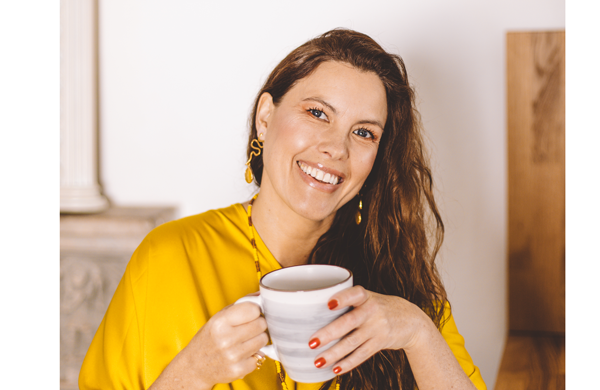
with Alene c Davis, who’s a creative mentor and an akashic channel who walks alongside sensitive souls at the beginning of their remembering after a life-changing accident. In years of learning to live with central sensitivity syndrome, she now shares her experience as a guide through inner work and self-healing.
Gissele: Through her podcast, accepting your sensitivity and practices rooted in ritual and story, she offers a gentle invitation towards deeper remembering self-acceptance and authenticity. Please join me in welcoming Aline.
Gissele: Thank you. I so resonated with your story. So as I was mentioning before the recording, my dog passed away. It’ll be [00:01:00] November, it will be a year in November, and we had him till he was 13 and he was a Doberman shepherd.
Gissele: did I do everything I could have done? And I felt so. Guilty. And I did not expect that I, in the beginning, I didn’t even want a dog. I never had a dog growing up. And it was my husband who wanted a dog, but that dog became my dog. He was like my Velcro dog.
Aline: My baby girl passed. It was two weeks today. And lots of people would say, oh, two weeks,
Aline: She came back yesterday forever. Oh God. And this is my first recording of any kind. Without her, I mentioned to you a moment ago, I went live and read a poem afterwards, but actually doing a recording that it is to inspire and help people. This is my first one. And I asked if she can be here and help me.
Aline: we’d had a really gorgeous day. She was giving me signs anyway, and in the [00:02:00] morning something happened and I contacted my own vet and I said, please, can you come and see her?
Aline: And he didn’t have a car. And I said I don’t want to put her in the car because, I don’t want to disturb her. she had a little accident, let’s just put it that way. And then I, so I cleaned her up and we were lying on my bed. I had all my beautiful music on from my spiritual mentors, their incredible healing music, which she loves.
Aline: And we listened to, I was in a workshop with my mentors last year in Germany. We were listening to the whole the first half of that. And we both fell asleep. And then I woke up, she woke up, we stretched out and I was like, oh, this, oh, it just felt really normal. And then the vet messaged me and said, I don’t like the fact that she’s sleeping and that she, you think she’s got anemia?
Aline: You need to take her to another vet. And I was like, I don’t want to put her in the car.
Gissele: Yeah.
Aline: And then I jumped on the bandwagon of his fear rather than just stepping back and going, do you know what She’s comfortable, we are [00:03:00] in this space, this beautiful space. And I, at that point, I was feeling she was getting better because she was starting to walk.
Aline: She was at one end of the bed and she walked towards me and then just laid down next to me. Normally she was here. So we lay and like I said, we fell asleep together. And then we would always touch pauses. I’d always sing to her. And it didn’t matter where she was in the house, she would find me because she loved the vibration of singing.
Aline: So wherever I was, wherever she was, she could feel me singing and she’d be. Like 10 seconds later she’s there, or she’s either on my lap or in my face where you know her, wherever I was singing. And so I made my peace with it because I don’t know what would’ve happened. We got to this other vet, which was a half an hour drive away, unfortunately 40 minutes in the end.
Aline: And it was a very hot day, and I’ve never been apart from her in the vet. And they said, we need to do a blood test. I said could you give her something first, please? [00:04:00] So what had happened was my vet had said, go now. And I said don’t I need an appointment? They usually close between two and five.
Aline: I said no. They know you are coming. And I said who is it? Is it somebody you know that I know? Yes, they’re gonna be there. And what transpired was when I arrived, one of the assistants had a go at me because she’d been trying to call me to say, don’t come. Because such and such a person won’t be there.
Aline: However, I can now see this other person who I’ve never met before who did not have, and I don’t wanna go into judge mode. I was, I, yeah, it happened how it happened. And so this person is saying to me before we give her anything, it’s better to see what’s going on. I said, can you not just give her something like vitamins or something or, because my vet had said, just get her on a drip and she’ll be fine.
Aline: That’s what my vet had said to me. So I had this going, I had this monologue going on and I [00:05:00] kept saying, and because it was in Spanish, I live in Spain. I’m I’m very understood with my Spanish. They just don’t, when you are in a situation like that, and none of my family were here. I was just on my own with my baby girl.
Aline: And there was nobody that I knew. There was the lady who had been there when we’d been there two days ago for just a normal procedure, which I will always be going. Why did we do that? And I said to her if I’m not allowed to come for this blood test, ’cause I said, I want to be with her she’ll need me there.
Aline: I’m her home. Yeah. And he wouldn’t let me go in there with the blood test. I said to the woman who had a go at me when I arrived because she was there before, I said, can you just please be with her? At least she knows you. So she when she came back, ’cause I had to go move the car as well, which was like, oh my, I parked in a disabled space.
Aline: I had to go move the car. I can’t. So I was running around anyway, so I came back and she was just very quiet in her basket. [00:06:00] So I put the healing music on. I was sending her energy. She was traumatized. So then he came back with the results and they weren’t great. And I said I don’t want to do it here.
Aline: It’s really important that she’s at home with her family, her for family, so they can understand. And I still had this thing going through from my vet saying drip. And I said let’s give her a drip beforehand before we go. And that didn’t go very well anyway. I dunno why I’m talking about this ’cause it’s awful.
Aline: So that didn’t go very well. And then I was on the phone to various family members saying because he was saying, this is it basically. That’s what the results have come back with. And me being me on that. Actually no, because if I can get you back in the house and I can do some healing with you, la, la all of this.
Aline: Yeah, I know I can help you. I know I can heal you. I know, I’ve done it loads of times. We’ve been here before. And she started with what I now know is called the death rattle. And it was because this [00:07:00] drip was going in her and it was horrendous. It was awful because I’ve never seen her like that.
Aline: And it would be forever did I do the right thing? Because she could have just passed in her sleep next to her mom on my bed. I don’t know. And then I was like actually it couldn’t have happened any other way. We’ve had some kind of agreement, some kind of contract. Because I said to her we had a conversation and I said you’re here until 19, meaning 19 years old.
Aline: Yes. And she’s yeah, we, I’m here until 19. And she passed on the 18th of September and she was collected on the 19th. ’cause I had her overnight. That was the other thing the vet tried to tell me I couldn’t take her. Said, this is illegal. I said, I don’t care. She’s coming with me. I’m not leaving her here.
Aline: So as she’s passed and I’m singing to her, he’s standing there with a stethoscope waiting to see if the, the injections. And I said, could you please just give me a few minutes? [00:08:00] Yeah. And then I also said to him, I may look very strong and very like this at the moment. I said, I’m on the floor.
Aline: I said, I have to drive back and I have to keep myself together. Everybody else who knows me that’s not here will understand this. And he finally got it. I don’t know why I’m talking about this.
Gissele: now went through the same feelings that I so resonated with what you were saying. my Velcro dog. he had health issues ’cause he, we adopted him from the pound and he had so many issues and I was constantly dealing with his issues. And and I’m sure I caused some of myself in terms of being that helicopter parent, not with my kids, but with my dog, which is interesting.
Gissele: ‘Cause my kids wouldn’t allow that. And when he passed, so he died of a seizure disorder. Like he, he got really bad seizures and he would snap out of them, but it was horrific. It like see him thrashing about, he was on medication and we were monitoring it.
Gissele: We felt an extraordinary amount of guilt. I started thinking about [00:09:00] all the things that I could have done better , like it’s funny how we do that to ourselves. Like even the last day on the day, he was like whining to go outside and I was like, oh, I’ll take you outside in a minute. ’cause I was distracted about something.
Gissele: And then soon after he had a seizure on his bed, Maybe if I had taken him out, maybe he had some toxins and he couldn’t. And it’s just, it’s amazing how you make yourself crazy. You internalize it, you blame yourself. Because it’s just so unconditionally loving and it can’t speak to you in the same way.
Gissele: And I felt so bad for a little while and I allowed myself to sit with those feelings. But it does not feel great. And I realize now having not had ’em for a year and it was difficult because there’s so many habits you create. So when I would get home, I’d be like, oh, I gotta take bear now. Oh wait, there’s no bear to take out.
Gissele: I’m slowly [00:10:00] realizing all the gifts he gave me the gift of unconditional love, the gift of awareness, and I realize now couldn’t have left any other way.
Gissele: it would’ve been like so drawn out and so difficult for me. He just, he had to go that way.
Gissele: It could not have been any other way. And in fact, the last seizure didn’t stop. We had to take him and I was desperately like you trying to call vets and somebody who would find, ’cause it was after hours. we had a vet who was like a traveling v she was amazing, but the seizure itself became way too much for her to manage.
Gissele: She didn’t just have that experience. So we ended up having to go somewhere else. And we had to take him somewhere to put him down. And I was like, you, I was hysterical. Like hysterical. Because there’s another people there with their dog and I think their dog was having some sort of procedure.
Gissele: And you hear me be hysterical. We’re talking hysterical. I’m like a spectacle myself about my dog. And I’m like, don’t put my dog down. And I’m like, and those people are like, oh my God, what’s happening here? ’cause they’re waiting for their dog. And their dog seems to be out. Guess they’re doing something to it.
Gissele: I don’t know.
Aline: Oh [00:11:00] yeah.
Aline: Sorry
Aline: about that. Yeah.
Gissele: Yeah. Thank you. And I appreciate that. So that’s why I was really resonating with you story. They let us take our dog home, like in terms of we could bury it in our dog in a backyard. And that’s what we did.
Gissele: Is that different where you’re,
Aline: well,
Gissele: you’re not allowed to
Aline: do that. I think. Without, and I’m not casting aspersions ’cause I’ve spoken about this with my super vet afterwards. And he was just like, no, Aline, because the, these, this other vet just call him the other vet.
Gissele: Yeah.
Aline: That’s seconds afterwards because I was saying, okay, I am going now.
Aline: And he said you can’t take her. And I said, and my whole family like, yeah, I bet that went down well. And I said I’m taking her. And he said it’s illegal if you get stopped by the police, you’ll get a fine. And I was like, who is gonna stop me? Really like a random, anyway, so it was just one of those moments because I’m a, I am a huge believer in, we create how we feel, we create what’s happening around us.
Aline: And [00:12:00] my frustration, and I completely resonate with what you are saying as well, so much my frustration was. If I had just listened, if I had just taken a breath and not jumped on the bandwagon of fear of my super vet and said, okay, maybe we wait and get her to the vet this afternoon. And then I’ve also felt into it and it’s what happens if she started showing signs in the house and I couldn’t help her, and there was nothing that I could do.
Aline: So I am at the stage of it couldn’t have happened any other way. I am there. So thank you for saying that. I am there now. I just feel, because she arrived home yesterday forever. And this is my first recording without her on my lap. Yeah. Or near me cranky. It’s, here I go again. And what, and as I was saying to you before, what has been so beautiful with my family member, she said to me, Aline, I cried for a year.
Aline: I [00:13:00] said, good luck. She said, I cried every day for a year. And there was a, an association that she went to, there was a singing group that she went to and nobody said anything. And there was a, the chap came up to her after a year and said, and he’d never really, didn’t, really wasn’t one to talk and chat and, and he just said, you are better after a year.
Aline: He said, you are better.
Aline: And I just thought that was so moving that he saw. my family member was in. So much pain, was very different, was very withdrawn and just noticed and didn’t say, are you all right? Can I do anything? Just left her to be in her space. And then as she was better.
Aline: He let her know. And I just thought that was so gorgeous. Yeah. And also it’s allowed me, there’s a certain family member that couldn’t talk to me for two days ’cause they were so upset to see me this way and, British stiff [00:14:00] upper lip.
Gissele: Yeah.
Aline: Masculine that kind of thing. What it did allow me to do, I do feel it brought our family a little bit closer together because we all shared moments that we haven’t shared before.
Aline: And I was diagnosed with central sensitivity syndrome about nine years now. And when I was younger I used to cry quite a lot. Anyway, it’s part of being an empath, I now know and guide others in that respect. And I remember when I was diagnosed with a central of sensitivity syndrome, I was like, you’re gonna you’re gonna feel, it’s like I already do.
Aline: So it was labeling what, was there something you already experiencing now? Yeah. And I remember, ’cause I was very teary. I had an accident nine years ago and my whole life changed basically. And I remember this particular family member going what’s wrong? Why are you crying?
Aline: I said there doesn’t need to [00:15:00] be anything wrong. I just, sometimes I’m gonna be like this because everything is heightened even more than it was before.
Gissele: Yeah.
Aline: And so
Gissele: I can totally relate to that.
Aline: Yeah. And I got to a point where, okay, I can’t really cry in front of anybody ’cause I don’t want anyone to feel that something’s wrong with me and I have just been crying.
Aline: Let’s just put it that way.
Gissele: Yeah.
Aline: And as I said with the, with one of my family members, we’ve never cried together. We were on the phone for an hour and a half crying together and sharing, and she was sharing with me. And and I understand for some people this beautiful image that I’m seeing just out, out the door at the moment where and I understand for some people it’s like, why are you sharing your grief on, on Facebook?
Aline: Or on Instagram or because at the beginning, yes, it was very private. One of my best friends was with me when the vet came in the [00:16:00] morning. The next morning. ’cause I, I did a little Egyptian send off for her. And those photographs won’t be shared. And my friend also, she took photographs of me holding my girl and bawling my eyes out because I held her for two and a half hours, I would say whilst my friend was there.
Aline: ’cause I felt, ’cause I, she was so bored, she arrived and I had the door closed and I said, just to let you know, Cleo is my beautiful girl’s name. Cleo is here. And I don’t want you to feel uncomfortable that I don’t feel uncomfortable at all. I think it’s beautiful. So it was it, she just held me, she allowed me to be in my space. I went into my medicine wheel with Cleo. I was crying my eyes out. I was singing to her. And I think possibly at that moment I was in shock because it happened so suddenly and it was all a little bit dramatic. And then it’s and you’ll, I’m sure you’ll resonate with this.
Aline: You will. You’ve already said it’s habits, She would jump from [00:17:00] each side in the morning to wake me up, I didn’t need an alarm clock. Yeah. It’s all of that.
Gissele: Yeah,
Aline: thank you for allowing me to share and holding this beautiful space. I didn’t expect to come on and cry my eyes out.
Gissele: I wanted to talk about grief Yeah. And how uncomfortable we are with it. It’s amazing how, and I know cultures take diff grief differently, but we seem to believe that there’s a time limit on grief when the truth of the matter is, it’s a journey and it’s a journey that takes people, different time, different space, whatever needs to happen.
Gissele: I’m still working on myself, right? Like my self-love, my self-compassion, all of those things. And nobody says, Hey, you should be compassionate by now for yourself, right?
Aline: Yeah.
Gissele: But we kinda have this misconception about grief, that it needs to be about grief, that it needs to be brief, but that it needs to not be seen.
Gissele: Yeah. What are some of the messages you had received about grief growing up?
Aline: Grief growing [00:18:00] up?
Aline: there was a family member who passed on my eighth birthday and a family member went away to had to leave and come back for my birthday. We were on holiday in Spain and my family member had to go away and then return. And you wouldn’t have known, you wouldn’t have known there was no sitting down and discussing it.
Aline: My our furry family they were there again up until in, in my teens. And I think, yeah, so I was never really, grief was never really explained. And I believe that grief can be in so many ways as well. It is, when you know, and this is what I help people with as sensitive people, when we finally realize our sensitivity is a gift and we start taking off the masks of people pleasing and performing, it’s actually this is who I really am.
Aline: There can be grief for the old us, and. [00:19:00] That’s quite a diff difficult one to explain because people can think why on earth are you so upset about that? It’s allowing people the space to have whatever they need, and it’s like I mentioned before about, try to be in a no judgment zone about that vet.
Aline: I’m working on that. Yeah.
Gissele: Yeah. it’s recent, right? Like
Aline: Yeah.
Gissele: It’s interesting and I love what you said because we have so many judgments about how we should feel or not feel and the timing of how we should feel it. But the truth of matter is the more we allow our feelings to be there and allow ourselves to feel the feelings, the quicker they pass.
Gissele: and it’s not that they have to be quick, but just they have less reason to linger on for such a long time. Yeah. But grieving in isolation is so lonely and it’s so difficult. Whereas when you can come together to grieve together to celebrate together, [00:20:00] I think that helps grief feel a little bit lighter.
Gissele: Like you said that you the grief of losing Cleo led you to have closer moments with your family. What a gift.
Aline: Yes.
Gissele: What an opportunity to be able to talk about maybe shared experiences that hadn’t happened and how this particular negative experience or difficult experience came a vehicle for a closeness and a gathering of people in your life.
Gissele: And I often don’t think that we think of grief that way. I can’t think of a time, and it could be that I’m misremembering. I can’t think of a time where my family, I mean we have grieved together, but it was like, do you ever feel like it was a whole bunch of individuals in the same room?
Aline: Yeah.
Gissele: Right.
Gissele: So it’s I think there was support for one another, and yet the same time, maybe it was me, I just felt [00:21:00] like I was an individual grieving in a group and not grieving together. But I have had family come together for grieving. I just don’t remember feeling and maybe this is me judging, even judging that experience.
Gissele: Maybe it was just the fact that I didn’t feel supported or, so it could just be that. But grief is an interesting one. It’s one we don’t like to experience, right? I have made this mistake. And so like asking people, are you gonna get another dog soon? Are you gonna get another pet suit?
Gissele: Because I didn’t know how to manage those difficult feelings until it happened to me. And I was like, don’t even ask me about another pet. I’m
Aline: gonna kill you. Yeah. Because
Gissele: I can’t even think of another pet. Like when people say to me, oh, do you want another dog? And I know my kids want another dog.
Gissele: I want my dog.
Aline: Yes. Yeah.
Gissele: I miss the being that I, I lost and that’s what I was [00:22:00] grieving those moments that I had, the moments where he would lie down and I would look at him and be like, oh, you’re just so beautiful and perfect. and he was such a mild manner dog.
Gissele: Like he, he was like, he was just such a old soul. he didn’t get bothered by things. Yeah. He was a bit whiny and that’s like the doberman in him. But I just remember. How much joy he brought me. And so he taught me about joy and unconditional love. And yeah. So for me, but we do that.
Gissele: ’cause I’ve done it. I’m being vulnerable. I’m admitting I’ve like, when people are like, oh, they lost a dog or a pet or whatever, and I’m like, oh, are you gonna get another one? Because you don’t know what to say. You don’t know. You’re so uncomfortable, you don’t know what to say until you’re there.
Gissele: Then you’re like, yeah, don’t say that.
Aline: Yeah. Mark that one off. I am, I’m very lucky in, in the sense that I have beautiful other furry members around me. It’s not Cleo. [00:23:00] And actually one, one of my family members said, she said, you are gonna grieve Cleo like a person. And I didn’t respond to that because I’m grieving Cleo like the beautiful being that she is.
Aline: Yeah. And it’s really interesting you’re saying about. You felt that you were grieving individually because everybody has their own way, don’t they? Everybody has their own process. And it was interesting for me was I had pain in my shoulder and my go going all the way down my arm for three weeks before she passed.
Aline: And it was if, as if it was as if, ’cause that’s the heart area and couldn’t work out what was going on. It was as if my body was already preparing for what was happening. Oh, wow. And I couldn’t move or do anything. And luckily I’d already made the decision that for July and August and and it turned out September, I was sharing previous podcasts from a couple of years ago.
Aline: So I didn’t, I had all that organized in advance, [00:24:00] obviously no such thing as coincidence, as a synchronicity. So I had this whole pain going through me and then. It wasn’t until after a couple of days I was that, oh, after she passed, I was like, oh, okay, so you’re giving me that pain to get me ready for the real pain going on in there.
Aline: And just talking about the group grieving, it was when my a family member, again, don’t want to be too personal. A family member passed and because of what had happened when I was younger and I hadn’t seen any reaction from this family member about their family member passing, I was on holiday with with a, an ex-boyfriend.
Aline: That’s another story for another time. And I got the news and it was okay, we need to get a flight. We need to get back. And because I had not because I had been there, I just expected that partner would come with [00:25:00] me. And they didn’t.
Aline: And when I arrived I was feeling, because I had been bawling my eyes out and this person, this ex partner who I was with could not deal with it, could not deal with it at all. No way. I mean it, ’cause it was two days and then before I could go back, before I could get on the flight and I was just crying, crying, cry.
Aline: Because as empaths, even on the phone, even, just energetically with our family, we just sponge everything in.
Gissele: Yeah.
Aline: I was, I was feeling what I was feeling. Absolutely. And so when I arrived to the place to go, where this family member’s house had been, I expected everybody to be stiff up a lip and not crying.
Aline: And actually it was really beautiful because another family member had said to me, I’ve never seen them cry when I was eight they didn’t say to me when I was eight, it was years ago. ’cause I was saying, what happened? I have no real recollection of it. And they had also been, [00:26:00] they had also been away.
Aline: They were in Spain, they were on holiday in Spain. And what had happened that night, one of my family members
Gissele: They were out for dinner and one of my family members , started feeling really edgy and they were in an andthe, which is where I am now.
Aline: And there’s a magic about, and lu it’s on incredible lay lines. There’s a lot of magic going on here. Yeah,
Gissele: yeah. You
Aline: know, there’s a lot. And they were driving back and there was a dog in the road and they stopped. And then this dog, the way they both explained it is this dog was like a big kind of greyhound, not really Greyhound, that had my grandfather’s eyes was trying to get in the car.
Aline: Oh, wow. Yeah. It was trying to get in the car and it was like a sil, more like a silhouette trying to get in the car. And then there wasn’t anything there. And one of my family members, saw this and they, wow. Yeah. So they are a lot more [00:27:00] accepting of. Who I am, not that it matters, they are a lot more accepting of who I am now.
Aline: They’ve experienced various things.
Gissele: Yeah.
Aline: And it was just really beautiful. And so they’re talking about this, and then what happened? They got back to their hotel and there was a phone call and it was the news. And so one of my family members, had been really like anxious and antsy saying she wanted to get outta the car before the dog arrived.
Aline: And it was obviously that, that passing time.
Gissele: Yeah.
Aline: And so when I arrived, I’m just gonna say, when I arrived in Scotland from Cyprus and that’s, like I said, we were all in different places. My grandpa’s okay, yeah, I’m gonna go now. ’cause he was a complete joker. He was, he when they were younger, they they would play tricks on the tax man.
Aline: He would get things like get a sign on there and say kick me for, I have sinned. But it was a complete joker. That’s, and so it was, he was gonna go when we were [00:28:00] all in different places. He was always playing practical jokes. One of the things he did to my grand, which is an absolute I love this story, was they were gonna move, pull up the patio.
Aline: And my gran lifted up a slab and there was a five pound nose center. It. She’s oh my God, look at this as a five pound no. Oh my God. And she lifted up all the, all of the slabs. And my grans was absolutely falling about laughing.
Gissele: That’s one way to get somebody to know the
Aline: work. There’s gonna be loads more underneath.
Aline: And then another thing that he did was he switched the just silly things. He switched the hoover off from upstairs when she was hoovering.
Gissele: And
Aline: then she went to check it and then it didn’t work, and then it started working. So he was switching on and off, taking the plug on an net. And so then at one point she’s doing, trying to quickly get the hoing done before the, anyway, I dunno why I’m sharing.
Aline: It’s just fun. It’s just, silly thing. So he was a complete joker. And then for him to turn up as a dog with the [00:29:00] eyes. And then as I said, when I arrived at his house and I expected everybody to just be my, my closest family. Yes. Stoic.
Aline: And they weren’t. And ’cause I, and I said, I actually said to one of my family members, , I said I thought you said you’d never seen one of my family members, cry before.
Aline: And you said, oh no, she’s been crying. And I was like, brilliant. Great. Yeah. And I, I don’t know if it’s because, we’re all going a bit more towards the divine feminine or it’s because they were, ’cause they were in. When the situation happened when I was eight, they would’ve been in their mid thirties.
Aline: So whether it’s with experience, it’s like I don’t give a monkeys what anybody thinks. I’m just gonna do what I need to do. It might have been that not, trying to keep up the Joneses and show that we’re all absolutely fine and wonderful. Sorry, I keep looking out the window ’cause there’s lots going on out there.
Aline: That’s alright. And yeah, so I think that was very beautiful. And even then I felt guilty [00:30:00] as well because I hadn’t seen my grandfather for so long and I thought can I grieve? Is that okay for me to be because I’ve spoken to him, but I haven’t actually been in his presence for about a year.
Aline: Is that all right for me? Even then it’s like you are, as you said before, there’s like these, almost like these terms and conditions that we put upon ourselves because we are worried what other people would think of us. And actually nobody cares because they’re all just dealing with what they’re trying to deal with
Gissele: themselves.
Gissele: Yeah. Yeah. I love what you said. It’s interesting. I was thinking about, many of our ancestors, the people in from our history we dealt with really difficult things like war and, like famine and all of these things. And many of them did not know how to hold space for their difficult feelings.
Gissele: They weren’t taught that. They were taught to suppress that. And that’s passed on. And so many parents needed their children to control their behaviors [00:31:00] so that the parents could feel okay because they couldn’t hold it. Yeah. And so I think of my father, I’d never seen my father cry, like throughout growing up, never seen it.
Gissele: The only time I remember seeing my father cry was when my grandmother died. His mom, right? And so to watch your dad cry is disconcerting when you have never seen him cry, really. But it also made me really reflect on what a disservice we do to each other in not enabling us to have the various emotions that we come equipped with.
Gissele: We have tear ducts because we’re supposed to cry, we’re supposed to release that. It’s a cleansing, it’s a release. But to feel like you have to hold all of that pain, all of that sadness, all of those experiences because it’s not allowed or you feel you’re gonna get judged, really does harm us and the level to which we dehumanize ourselves or prevent ourselves from feeling those emotions is the extent to which we allow other people to [00:32:00] express those emotions as well, right?
Aline: Yeah. Completely.
Gissele: Yeah.
Aline: And I, because I mentioned before there was a certain family member.who couldn’t see me cry because he was of floods, of tears.
Gissele: I asked him one day, I said I said, do you don’t really like Cleo, do you? He said, I don’t think she likes me. And I said you let them all the others sit on your lap, but not her. And said, yeah, but she digs her claws in. And so his reaction, I was so surprised by his reaction, bless him.
Aline: He was devastated. Absolutely devastated. And he couldn’t speak to me for two days because all I was doing was crying. He hated to see me like that.
Gissele: Yeah.
Aline: I’ve had to look at my history as I’m growing and evolving and I used to have such a resentment for my ancestors. I did, I resented all the trauma, all the drama, all of the issues, all the negative conditioning and all the things that I felt had been passed down.
Gissele: But when I was able to [00:33:00] release that and forgive that I was able to bear witness. But how much. They had to endure in their strength and their extraordinary ability to overcome and not either, the fact that I’m here is because they kept moving forward. And so their ability and their wisdom and their trying their best I think it’s something that enabled me to free myself from that resentment, from that lack of forgiveness, from that, seeing it only one sided as these are very negative things,
Gissele: Like we’re so good at talking about intergenerational trauma, and it is real, it is true, but we don’t talk about intergenerational resiliency, intergenerational compassion, intergenerational love that’s still there, even in its own way. And if it’s, and it’s messy, it doesn’t show up perfect. It doesn’t show up the way we want it to, but there was a willingness to overcome, to survive, to make it too.
Gissele: And when I acknowledge [00:34:00] that, I felt lighter. I felt oh, there’s space now. There’s space to create, there’s space now where I can rely on those ancestors in their history to help me be strong, move forward in a more positive way
Aline: as you were speaking, something just came through and it reminded me I was in a kind of group medium session and a family member came through an ancestor and said, you are very similar to me. You have so many more opportunities. And that’s just that, it was that feeling of just, being reminded of that is that they were the witch in the kitchen and, yeah.
Aline: And so So thank you for sharing.
Gissele: Yeah.
Aline: Beautiful. because as an example, on one side one of my family members had PTSD from the war.
Aline: And so it was violent and it was never, it would never have been diagnosed. So the effect on everybody [00:35:00] else so
Gissele: many people after the world weren’t supported. They weren’t supported with mental health. They weren’t, they were just brought back. And so none of those people knew how to emotionally regulate themselves or teach their children how to.
Gissele: And yes, many of them drank. Many of them are violent. Yeah. Many of the women in my family were so strong, they were like super, super strong, but the fault they had to be. And I always admired that. But I didn’t realize until very recently how much admiration I had, even for the males in our family and what they went through and how they were just doing the best they could.
Gissele: Even though it seemed like they might’ve been the pivot point of why the women suffered, like they also had a will to survive, to live, to move forward. Doing the best they thought they were doing at the time was a very clear message that it came through, which for me, which was, I thought I was doing it right.
Gissele: I thought I was doing something [00:36:00] better than the generation before. I thought I was helping, I thought I was trying to make people stronger, better, make better decisions. But, it’s easy to judge. But when you’re able to see that with the eyes, kindness, and love. I think you realize that there’s such extraordinary strength.
Aline: Yeah. Incredibly. And it’s really beautiful what you’re talking about as well, because recently a family member has opened up to me, we just sat at the table one day a little bit about their childhood and they’ve never ever have mentioned that. And another family member just kinda went, oh, you are all right now.
Aline: And it was just really interesting. So I encouraged that family member to continue.
Gissele: Yeah.
Aline: And they did continue. And it was, it’s like you were saying before about, when we suppressed so much, it’s just not good for us. And I’m not saying that we need to be all, gloom and doom all the time.
Aline: The worst thing in my opinion, that we can be is [00:37:00] Pollyanna. I’m fine. Everything’s wonderful. Rainbows. Unicorns, absolutely fabulous. That’s a mask. So I felt it was really beautiful of this family member to talk about there first childhood experience that they remember when they were three.
Aline: And it was, yeah, powerful. And it was I won’t share it. You can imagine. And yeah. That was their first childhood memory, and it was so beautiful. It was such a beautiful moment. And I’ve, it just reminded me actually, because I’d cooked lunch that day and when I have beautiful heater music from my mentors, and when I’m cooking lunch, I’m putting love in there and it’s, all good things.
Aline: I’m vegan as well, so it’s all, it’s all yumminess. And oftentimes when they have my food, I just thought, again, it’s not about me, it was about, the spirits around me and helping me and possibly this person, who’s my ancestor, who was a, basically a kitchen [00:38:00] witch.
Aline: And yeah, and then this person, it just allowed them to open up. I’m just looking over here ’cause here’s one of my cats. Hi tea. Is he coming to say hello? Do you wanna
Gissele: say, I was thinking of that movie shock a lot. The power of chocolate. Yeah. And the impact I think your, the other person’s reaction of you are right now it’s people’s inability to be able to hold space for difficult conversations.
Gissele: And we can’t blame them. We really haven’t been taught how to have difficult conversations, how to emotionally regulate those emotions. Yeah. They’re like, stop it. Don’t do that. Like even in the school system, like the kids aren’t just taught how to manage and this is why we have such a cancel culture.
Gissele: It’s like that you say something that I don’t like and therefore I’m just gonna shut you down. It’s the inability to hold that space. And so the willingness has to come from a willingness to sit in the uncomfortable. And that’s where. Going back to the whole issue of grief. Grief [00:39:00] is so uncomfortable.
Gissele: You never, you don’t know when it’s gonna end. It feels terrible in the moment, but at the same time, there’s so many gifts that come from sitting and allowing that grief to be there.
Aline: Yes.
Gissele: And it also helps you relate to other people’s journeys as well, the more you do that with yourself. Yeah. Yeah.
Aline: Beautiful. One of the things that I have been doing, so if anybody’s listening I’m sure they, they know how to this anyway, is sometimes when it starts to take over, the tears and the grief and the missing, I just take a breath and I remember her lying, her energy lying across me and that just brings me back and, I under, and it reminds me that she chose to be here and, and reminds me that.
Aline: There’s only, was it two things? Certain in life of death and taxes? [00:40:00]
Gissele: Yeah. You
Aline: know, and it’s, it was her time and that’s why I wrote the poem and I shared the poem, crying my eyes out. So there, is beauty in sharing. And when I shared the poem, I was like, what are people gonna think?
Aline: for the day after I’d put it up there, I’m gonna delete it, I’m gonna delete it. It’s don’t delete it Ali. Try not to delete it. And I didn’t. And because she’s so much part of everything, there, there’s photographs of me with her everywhere. And even on, even when I’m like creating little posts, I suppose there’s, with a beautiful pink and gold that are my colors for everything.
Aline: And there’s a white silhouette of a cat. That’s her, she’s in everything. She’s helped so many people. She’s helped so many people. So it felt so right. Even though it felt so uncomfortable Yeah. To read that poem. At the time I was in the medicine wheel, I said, we are really gonna do this.
Aline: Yes, we’re gonna do this. [00:41:00] So somebody was watching me live and didn’t comment and that’s okay. It was probably too much for them, and then didn’t say anything. And I just thought, that’s fine. And then in the next couple of days, I suppose again, because we create how we are feeling, I kept seeing posts everywhere of people losing their furry babies.
Aline: It’s eclipsed season. I said, oh my God, am we’re in a year nine as well. So I’m not saying everybody’s listening here beginnings. Yeah. That’s gonna happen. It’s just beautiful endings. It’s beautiful closings and. And that felt a beautiful way to honor her and close her chapter. So you know what you are saying about when you are, when we are sharing, it’s honoring as well.
Aline: Yeah. It’s honoring them. It, it really is. Yeah. Yeah. Beautiful.
Gissele: And I think the more that you, we share, and I think the reason why you were guided to share is because we’re taught to be so inauthentic. Yeah. We’re taught to be so controlled, protected, like you [00:42:00] go back to vulnerability, moments of vulnerability reminds us that we’re human
Gissele: that sometimes we feel vulnerable . And being vulnerable is not the same as feeling vulnerable . We can feel vulnerable and act protected, but being vulnerable is a willingness to share your humanity. A willingness to open up your heart and say, I’m grieving, I’m struggling. I am.
Gissele: I, I don’t feel seen or heard. Maybe I don’t feel worthy of being loved. I’m struggling with a bunch whatever you want to share. There are people that are going through that same thing that because nobody wants to share, feel very alone. They feel alone in their grief. They feel alone in their vulnerability.
Gissele: But the more you’re willing to share that there is power in grief, there’s power in vulnerability, and being able to share that connects to one another, I don’t think you can have close relationships unless you’re willing to be vulnerable with one another .
Gissele: Absolutely.
Aline: A [00:43:00] million percent. Yes.
Gissele: Exactly. Yeah. So if it’s just for show, then you can’t ever really get to the depth. Even if it means some level of conflict. You have to be willing to be authentically yourself to share your vulnerability and be okay with that in order to have that closeness.
Gissele: I don’t think you can have it without being willing to go there. I think otherwise you’re just protecting yourself against the world
Aline: I completely agree. It’s masks, isn’t it? That societal mask of I’m fine. Yeah, absolutely. Yeah. And I was pushed to share because one of the things I talk about so much is be honest and real and accept your shadows and accept your emotions and accept your vulnerability.
Aline: So it felt that bit like, I suppose walking my talk, but that sounds like a little bit too, you know what I
Gissele: mean?
Aline: Yeah,
Gissele: I do.
Aline: It’s I encourage people to be really honest and raw and open because that’s, it’s so important that everything that’s being pushed down [00:44:00] has a gentle embrace as it’s coming up.
Aline: And I just thought yeah, I have I have watched it back a couple of times and I’ve cried a couple of times, and then now I can watch it and go. Actually that was really beautiful because Cleo was there with me. I was in the medicine wheel. There’s a gorgeous tree in the garden called The Tree of Love that naturally has a heart carved in by nature.
Gissele: Oh, beautiful.
Aline: And that’s, yeah, that’s where some of her ashes will be. And then wherever I go, because she traveled everywhere with me, the, yeah. Our last trip was where I drove to France with her. And we were walking in the vineyards together, remembering those beautiful times.
Aline: And so what was really interesting is after I had read the poem and cried, it was the most grounded I’d felt and the most tired. And I was like, I can sleep now. So there is power in sharing. There’s real power in sharing. And like you said about being authentic. It [00:45:00] was authentic, raw. This is really what’s going on, rather than not mentioning it.
Aline: Yeah, absolutely.
Gissele: Yeah, absolutely. I was thinking as you were talking, don’t they have those things where you can use ashes to create a diamond? Have you heard of that?
Aline: Oh, I have heard of that actually. That’s
Aline: that’s gonna be my research for the
Gissele: next few
Aline: days
Gissele: now. Yeah, for sure. For sure. Gorgeous. So just have a few more questions.
Gissele: Sure. I’m switching things up. What’s your definition of self-love?
Aline: Wow. That’s a biggie. So my definition of self-love. Is loving every single aspect of yourself is accepting who you are. Shadows an all tempers, an all mood swings, an all
Aline: Accepting your body, being thankful for your body. ‘Cause it’s an incredible [00:46:00] machine. And exactly as you’ve said before is sharing who we really are with people and allowing people to see different sides of us and forgiving ourselves for what we think we’ve done and what we think we haven’t done.
Aline: That’s a big one. And, we are all working on it. it’s a daily thing. Because, so however, many years ago you could hear someone, oh she loves herself, or he loves himself, or they love themselves good. Bloody marvelous. What’s wrong with that?
Gissele: Yeah. We have this misconception about it being selfish or narcissistic, which is not true.
Aline: Yeah. And it’s good to be selfish because before we can help anybody else, we need to be in a space that we can help other people that you know, so yeah.
Gissele: That we can have love
Aline: for my, yeah. Sorry, I didn’t quite hear that ’cause I think I was talking over you. Sorry.
Gissele: Oh no, I was just gonna say before we can have love for others, right?
Aline: Yes. Yeah. Completely. Completely. And I [00:47:00] remember years ago interesting you said about the vulnerability with the re relationships. It was, let’s just say it was toxic. Let’s just give it the name. Yeah. It was obviously an experience that I asked for. I learned a lot. And I was being vulnerable. I was just, I was having a moment and I just said, I don’t feel like I can really love myself at the moment because of whatever my size was, or dah. And this person, a genius narcissist, just turned around and said how can I love you then?
Gissele: Wow.
Aline: Yeah. So it was really interesting that when you were talking about, you feel like a relationship is about being vulnerable, et cetera, with the best people.
Aline: And I would say self-love also is making sure that you are surrounded by people who absolutely have got you in any situation, and you equally have them.
Aline: You are showing up and you are allowing people to see you exactly as you [00:48:00] are, and making sure. That you are surrounded with people who are on your vibratory level and this is something I talk about quite a lot is even if you are starting to remember who you are and changes start happening, you’re not changing who you are, you’re remembering who you are.
Aline: That you keep those people around you who are championing you on to be your authentic, true self. And then it’s saying thank you to those who are uncomfortable and you’ve had various conversations. It’s saying thank you for being in my life and loving yourself enough to walk away.
Gissele: I love that. Final question. Where can people find you? Where can they work with you? Oh,
Aline: People can find me. I would just say, just keep it simple. ’cause there’s so many various places where I am. The easiest way to find me is on http://www.alignwithaline.com. And everything is on there. So the podcast is on there.
Aline: The [00:49:00] how to work with me, mentoring, coaching sessions, one-to-one sessions and also my self-healing journeys and self-healing courses are on there. It’s all there.
Gissele: Beautiful. Beautiful.
Aline: And if people would like to just get in touch with me personally and I do mean this, they can email me directly atLove@alignwitharlene.com as well.
Gissele: Beautiful, beautiful. Thank you so much for being on the show. So appreciated. And thank you everyone who tuned in for another episode of The Loving Compassion Podcast with Gissele.