
TRANSCRIPT
Gissele: Hello and welcome to the Love and Compassion podcast with Gissele
Gissele: We believe that love and compassion have the power to heal our lives and our world. Don’t forget to like and subscribe for our amazing content. And if you’d like to support the podcast, you can buymeacoffee.com/loveandcompassion. Today we’re gonna be talking about how compassion can help us through the grieving process.
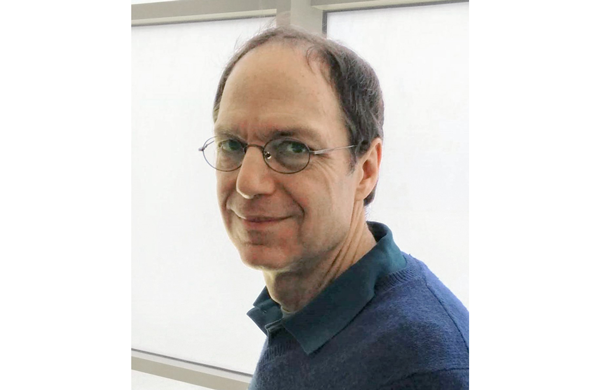
Gissele: And our guest today is Tony Stewart. He was a certified grief educator and author of the award-winning memoir, Carrying the Tiger, living with Cancer, dying with Grace, finding Joy while grieving,
Gissele: Tony and his late wife Lynn Kula painter, traveled extensively in India and Southeast Asia, staying in small hotels off the beaten track and eating delicious food with their fingers when cutlery wasn’t available.
Gissele: Hearing The Tiger is his first published book. Please join me in welcoming Tony. Hi Tony.
Tony: Hi Gissele Good morning, you. How
Gissele: are you? [00:01:00]
Tony: Thank you for that nice introduction. I am fine. And for those who’ve noticed, I’ve got a cat here who very much wants to be part of this discussion. Usually she’ll settle down now.
Gissele: Yeah.
Tony: Now that she’s, yeah, she’s more than welcome to be Perfect. Now she’s found my lap. Hopefully she’ll settle down.
Gissele: Beautiful. I want, ask you if you could share with the audience a little bit about how you became a grief counselor and author.
Tony: I would say it’s almost in the reverse order I studied.
Tony: To become a grief educator within the last year. It’s, the book is not informed by that. I wrote a book which has an extensive coverage of what happened when my wife died, and then of the grief that I journeyed through. And then the complexity of finding another relationship or finding myself in another relationship comparatively soon after my wife died, which was incredibly difficult for me.
Tony: I wrote that book. The book came out and I started to appear on podcasts to talk about it [00:02:00] and discovered that I found these conversations really interesting, and also that I knew about my grief, but I began to wonder whether my story was actually common and was I doing the world a service or a disservice?
Tony: It’s always a service to share your own story. Everyone’s story. Is their story and they’re real, and they’re real examples of things that happen. But I became really interested in what is this grief beast that I wrote so much about in my book? And what’s it like for other people and how can you help people who are grieving?
Tony: And so just less than a year ago, I took. An extensive course offered by David Kessler of grief.com. He’s one of the top experts in this field and became a certified grief educator. That’s not the same as a counselor. I’m not claiming to be a counselor, a therapist, a coach. Those require additional training that I don’t have, but I am available if anyone wants to just call me up and [00:03:00] talk.
Tony: I’m more than happy to help people to the extent that I can and listen and be there for people, and that’s what I try to do with that. I’m not trying to build a career for myself as a counselor, but I think it helps me understand, for example, when you ask me questions later in this conversation, I have both my own experience and also what I learned in the course sitting behind my answers.
Gissele: Beautiful. Thank you very much for sharing that. Can you take us back to the moment when your wife was first diagnosed and what maybe that sort of felt and how did that lead to the process of you deciding to travel around and find joy in the experience?
Tony: There’s three parts to the question.
Tony: I want to answer the last one first so I don’t forget. I didn’t decide to travel around to try and find joy. It was a natural outgrowth of the way that we lived in responding to the situation we found ourselves in. And I will answer, I will go backwards now. I remember [00:04:00] the day, I remember the moment in part because I wrote about it in the book the narrative of the book.
Tony: Starts on that Sunday afternoon when we received phone call from Lynn’s doctor and this was her GP and it was a Sunday. So that itself is meaningful. Who said that he was looking at the results of an MRI that she had taken? Ah, she had these intestinal problems and things that no one could figure out, and a tiny little knot of pain in her back.
Tony: And one of the doctors said, ah, let’s take a scan of your back. I don’t think it has anything to do with what’s really going on. So she had this MRI at a time when everyone thought that whatever mysterious problem she had was in her gut from not being able to eat from digestive problems. And he called on that Sunday afternoon and basically said, Lynn.
Tony: You have tumors in your back, in your spine and in your lungs. You need to see an oncologist right away, which was devastating and a [00:05:00] complete surprise. Lynn was not a smoker. She was very healthy, a lot of activity, a lot of exercise. And as I said, for several months we had been seeing doctors because of her symptoms, all of which had to do with, I’ll say, digestive issues, every kind of digestive issue.
Tony: It turned out that they were all side effects of the way the cancer was affecting her metabolism, this cancer that was actually growing undetected in her upper body and had been there presumably for months or years without anyone noticing, without any direct symptoms. So Lynn and I that day that night, did something we hadn’t done.
Tony: I we had been together about 35 years at that point. Long, long relationship loving marriage, but we were very undemonstrative. We hardly ever said, I love you. We didn’t do Valentine’s Day. We thought that was just some, ah, we basically called each other our best friend more than we said. I love you. And that [00:06:00] night.
Tony: We sat down in our small kitchen holding hands across the table and couldn’t stop saying, I love you. You’re the best thing that ever happened to me. Because suddenly the whole world had changed and it was now or never. Now. In fact, she wasn’t about to die the next day, but. Our entire worldview. You live your life in a kind of willful ignorance that we all die and whatever, and things change and can change on a dime for any of us, for all kinds of reasons.
Tony: And of course, you can’t go through your life worrying about that kind of thing or thinking, oh my gosh, I’m gonna die so I should do X, Y, and Z. Especially when you’re nowhere near dying or don’t think you are. But suddenly our time had an end point. Suddenly the fact that Lynn was probably going to die much sooner than we expected and sooner than me was staring us in the face, and it changed how we saw the world.
Tony: And [00:07:00] this is where the joy part comes back in. Over the next few years, and we were very lucky. We were very lucky because Lynn’s diagnosis, normally she would’ve been gone between six months and two years from then she had stage four lung cancer already at that point. But we were really lucky because through various twists and turns, she got into a clinical trial of a new drug that was, worked like a miracle for her.
Tony: Did not make the cancer go away. There were very few miracle drugs that good when you have stage four cancer, but it held it down for years. So actually we ended up having five or six more years together. That we didn’t anticipate, but we spent the whole five or six years knowing that this sentence hung over us and that our time was limited.
Tony: And suddenly, every moment of joy, every appreciation of the beauty around us was sharpened. It was we were just so aware of them. we’ve got each other, we’ve got these [00:08:00] buds on the trees. We’ve got these friends. We’ve got the ability to dance at this party during the long periods, when she felt pretty good during those years.
Tony: And that is where we realized just how important it is to keep that, to hold onto that joy as much as you can when all the rest of what you’ve got is crumbling or changing.
Gissele: That must have been easier said than done. So what actually helped you do that? Because there’s gotta be a process of fearing what might happened post how to support the person through the journey, grieving endings, right? Because I’m sure in your mind you guys had a vision for how your, the end of your lives might look like.
Gissele: This was your partner, this is it, and then, thinking maybe beyond that. So can you share a little bit about what helped you tap into that joy, perhaps when it was most difficult?
Tony: Sure. In fact, I think that’s a really good question. You are quite right. We didn’t the next day suddenly [00:09:00] start noticing joyful things.
Tony: In fact, we were plunged into a kind of a whirlwind of, what the hell do we do now? See this doctor? See that doctor? rollercoaster. That’s what the whole first part of carrying the tiger is about is what? There’s a lot about those initial six months and then eventually about.
Tony: It slows down as the drugs started to do their magic. And we actually had more years. Lynn was more emotional. She was an artist. she wasn’t the kind of emotional who would start shaking with fear and be paralyzed by her emotions. She just was a more outwardly emotional person and she was the one living with the death sentence hanging over her.
Tony: I am. Much more of a project manager. I, a classic kind of personality, that sort of, when things get tough, I get cool. I try and just see what’s the next step, what’s the step after that. So actually we’ve made a pretty good partnership.
Tony: I had a job where I did, could do a lot of work from home, and I had great colleagues who said, you need to [00:10:00] take care of this.
Tony: This is more important than be showing up at work every day. So I was able to go, especially in the first few months, I went to all of her doctor’s appointments with her, which is huge because I’m listening and taking notes with this sort of. Chill. How are we gonna deal with this? What does this mean?
Tony: How does it fit into what the last doctor told us? What comes next? And we would come back and Lynn heard completely different things in the same conversation because she’s living in her emotional reality and it wasn’t what I was seeing. So what we did was simply learn to take each piece of information as it came.
Tony: To live in. The reality of this is what they’ve just said, this is what we know now. This is what we don’t know. And I did a lot of the putting together of that, but Lynn was very much on board with, okay, we’re not gonna worry about how long is this gonna go on. We’re not gonna worry about what’s gonna happen when the cancer breaks out, or whether these drugs [00:11:00] will kill the cancer.
Tony: Of course, we worried about those things.
But we’re going to just ignore that for large parts of the day and do what needs to be done. And meanwhile, Lynn was adamant that in facing the world, she wanted to have her life as much as possible the way it always had been.
Tony: She wanted to have her friends, she wanted to be able to have the conversations she had. She wanted to be able to keep making her paintings. And part of how we accomplished that, which, I don’t think it works for everyone, but it was huge for us was we were very open with everyone about what was going on in posts that I wrote on Lynn’s behalf.
Tony: With her helping me in an online forum place that our friends could have access to, a place called Caring bridge.org. It exists for that purpose and it meant that her friends, once we introduced this process, could read what was going on. And then when she saw them during the day, they didn’t ask her what happened yesterday or last [00:12:00] week, or how your cancer’s going.
Tony: And so she was able to have, to the extent possible, these, the this, these portions of her life, the way it always had been in between doctor’s appointments and then drugs, and then side effects, and then debilitating results. It was a very difficult few years, several hospitalizations. It wasn’t like, oh, we took this miracle drug and everything got good.
Tony: But she hung on to having her life. I hung on to trying to analyze the information and make little spreadsheets and figure out what to do next. And between all of that, we were trying to just live and go through the day not worrying about tomorrow’s appointment, because tomorrow will come tomorrow and we are here now.
Tony: And that’s where we get back to how, in hindsight, when I wrote Carrying the Tiger, I realized, oh my gosh, we were appreciating these joyful moments. We didn’t [00:13:00] consciously think that way during those years. It’s when I looked back and tried to put it into a memoir that I summarized it and realized, oh, that was what was going on, and that was what was going on, which is the way memoirs work.
Gissele: were you traveling during this, the time when she was doing her treatment? Or was the traveling before?
Tony: The traveling was before that’s we had a life in which when we met, she was older than me. She was 39 when we met and I was 29. And we promptly started trying to have kids and it didn’t happen.
Tony: And we decided that we. We didn’t fiercely enough want to have a family to adopt, so we decided to go in the other direction. We never used birth control again, which was a wonderfully freeing thing. If we were ever gonna have a child, we would have a child, but she was already getting into her forties and we decided to use our time to go places that we wouldn’t have been able to if we had a family.
Tony: And I had a, I had the kind of career where I did projects one thing or another, [00:14:00] and I often could take four weeks at a time and just say, I’m off. I’m out of here. And that’s. When we started traveling to all kinds of fun places. But that had been, 20 and 10. And I think the last trip we took was two or three years before the cancer.
Tony: She, we actually thought that these digestive issues she was having were some kind of perhaps amoeba that she had picked up on our last trip. They played out over a long period of time and no one could pin them down because no one thought to scan her lungs.
Tony: But anyway, so the traveling and all of this connectedness that we had and all of these wonderful experiences that actually had knitted us together as a couple had played out over about 20 years that had ended just a little before this period.
Gissele: So talk to me about. Say, crossing over. You get to the end like you’re able to support her through it, obviously. ‘Cause death is always hardest for the people that are left behind. Like from my perspective, you [00:15:00] either reincarnate and move on or there’s nothing but peace. And the per, for the people that passed.
Tony: Yes,
Gissele: but for the people that are left behind, they’re left with the memories, they’re left with the experience or left with the, with a whole bunch of emotions. Can you talk to me a little bit about the post death and what helped you manage and get through that point?
Tony: I can I think I need to start by talking a little bit about the death about the hospice period, which is directly leads into that and first. A joke from Lynn. Lynn was very funny. There are jokes in the book including about her cancer. But at some point she started saying, if you die before me, I’ll kill you for exactly the reasons you’re saying.
Tony: She was really clear that she did not want to be left behind without me. And it became a reality that, that she was definitely gonna die first. So the period [00:16:00] between when we made the agonizing decision to stop treatment, and I will say it’s agonizing, even though things had been going wrong, that miracle drug had long since stopped working.
Tony: Her body was collapsing in all kinds of ways, and she was in terrible pain. One of the things that we learned. That I learned from going through this experience, which I’ve read elsewhere, is how hard it is, especially for the partner to say, yes, let’s stop.
Tony: And Lynn took the lead on that with some help from our wonderful oncologist who was the person who at a moment when we were having a conversation, and it had gone into her brain and the surgeon type people were saying, you need to come back tomorrow to start having radiation on your brain.
Tony: Even waiting a few days will be too much. And as I said, we’d been in and out of. All kinds of horrible things in the previous months. And Lynn was saying, Ugh, I don’t wanna go back to the hospital tomorrow. I need at least another day at home. And I was saying, Ugh, maybe the [00:17:00] day after, maybe just go in for a little and it’ll give us more time.
Tony: And the phone rang and it was our oncologist who had been following along a little bit from a distance and had seen the report who said, sometimes you have to say Enough is enough. And this might be one of those times. And his words gave me permission to stop trying to talk Lynn into continuing treatment.
Tony: So that’s how, when you talk about transition, when you first said, made the transition, I wasn’t thinking about Lynn dying. I was thinking of that night, which was for me, a huge transition. We had just spent six years doing everything we possibly could to hold off the cancer, and now we were saying, no, we’re gonna stop.
Tony: We’re gonna let its do its thing. Then came several weeks of home hospice. In fact, Lynn died within just a few weeks. We had no idea that she was that close. And during that time we had wonderful conversations. It was like [00:18:00] accelerated arrival of dementia as the tumors worked in her brain.
Tony: I’m guessing. We know she had tumors in her brain and I know what happened in those two weeks, and she started losing the ability to speak and various things that seemed consistent with the idea that they were messing with the, those sections of her brain. But we started out having some wonderful conversations in which we talked about what’s it gonna be like.
Tony: And we didn’t know. We’re just like you in the sense we’re not formally religious. We don’t know. Maybe she’ll be reincarnated, maybe she’s a spirit hanging out and if she wants to listening to this conversation, or maybe she just drifted off to a beautiful deep sleep that she never woke up from. We don’t know.
Tony: And that’s the sort of thing we said to each other. And she asked me, what do you think it will be like for you? And I said, I don’t know. I’m gonna be just so horribly sad for a couple of years at least. And then, I don’t know, I’m only, I was at the time in my mid sixties and healthy and I’ll [00:19:00] probably find someone else eventually, and she said, I don’t ever want you to have another girlfriend.
Tony: But then she grinned and smiled and said, yes, I want you to have another girlfriend. And then she shook her head and said no. I don’t ever want you to have another girlfriend. And then, yeah, I do. You should have another girlfriend. And that’s where she stopped.
Tony: Which I think is hugely indicative of the reality.
Tony: Of being the loving partner who’s dying and wanting to hold onto my love and the love of our cats who were sleeping on her in bed and life. But knowing that she has to let go knowing that she’s gonna have to let go, and she gave me the permission to do that, to live again. So she died and I naively thought.
Tony: Because we had said all these goodbyes and because we had, I had been grieving for her loss, anticipatory grief for years by that point. And certainly these two [00:20:00] weeks I was, beside her as she died quietly here. I thought, oh, my grief will be. Maybe shorter or less. Less horrible than the ones I’ve heard about.
Tony: I’ve been grieving all this time and I’m ready for this. And also I was still writing journaling for our friends every night. In fact, the journal posts of those two weeks in hospice are amazing and form what I think is the emotional heart of the book. And guess what? It doesn’t matter if you love the person you are plunged.
Tony: I was plunged into. Absolute stream of grief. Couldn’t do anything for days. And then slowly you have to do things. There’s the kind of the funeral home and that was during COVID. So we didn’t do a funeral or memorial in person anytime soon, but I did a. Plan a Zoom memorial for a few months, hence and all the preparation for that.
Tony: And then there’s the legal stuff. So you can’t actually just curl up in a ball like you want [00:21:00] to for hours. Although honestly, the first few days I did. And I and the grief just kept coming and. I wrote about all of that. I had thought I would stop writing. I really did. I wrote, I put up a post when Lynn died and said this has been the Lynn Catula story, and she just died and I guess that’s gonna be it.
Tony: And two days later I wrote a post. I couldn’t not writing these things had become a critical part of my therapy. This is, I had become accustomed to putting my emotions doubt in a way I never used to. I didn’t journal and I certainly didn’t write a public journal for other people to read, but I had spent the last few years doing that.
Tony: And so I rolled into this disorienting, discombobulating shattering grief, and I wrote about it. it seemed the most interesting thing I could do. It seemed the only way I could keep my head above water was to spend the day noticing what my grief was like, and then to spend a couple of hours that night writing down what that had felt like.
Tony: And over time, that [00:22:00] process was probably the single biggest thing that pulled me out of my initial grief. I almost said pulled me outta my grief and I just wanna be really clear. It’s five years now, I’m in another relationship and I’m still grieving Lynn. you never stop grieving. It’s just the intensity of it and the way you integrate it into your life changes.
Tony: And I don’t want anyone to think, oh gosh, he, there’s some magic cure. But the fact that I was writing these posts. The fact that the people who were reading them at that point, it was about 200 people were reading the post. Lynn had a number of a good circle of friends and had expanded slightly during those years, and some of them had been through deep grief themselves, and they would reply with little comments and observations and you’ve got this and it will get better.
Tony: And someday looking at those photos will make you smile rather than cry, which I held so tight. To my [00:23:00] heart, this is like a suggestion of what the path ahead can hold, and people were giving me this in the first month or two after Lynn died.
Tony: And that’s. I gather from the grief course I later took.
Tony: That’s really rare. In fact, David Kessler does not even suggest attempting to ask someone to join a grief group for months because you have to go through this. People aren’t ready usually. And then the last thing they want to do is talk about it and sit in a formal session. They’re busy having their life shattered and trying to hold down a job.
Tony: And trying to get things done with all of this stuff happening, which was happening to me. But through this twist of circumstance, I had this online asynchronous grief group and it helped me immensely. I. I’ve been talking and talking and I’ve basically forgotten your question and I’ve only gotten into the first few months, so I’ll shut up for a moment and let you
Gissele: ask another.
Gissele: No, this was wonderful. Thank you. I really appreciate that. ’cause you said some really fundamental things. And the first one is the need for [00:24:00] support. During challenging times, it’s hard to do things on our own. You feel lonely, you don’t feel supported, you feel overwhelmed. And it’s almost like sharing the load.
Tony: That was huge for me, both during the years of Lynn’s treatment, during hospice and during grief. All of those times I was writing these things and getting wonderful comments, helpful comments back, not just you go, which was great. You’ve got this, I’m with you. Oh, that sounds hard, that sounds great.
Tony: Whatever. But actual suggestions and things from people who’d been down the road before that you never would’ve imagined. Sorry, I interrupted you, but that is such an important point.
Gissele: The other one is that even you’ve mentioned you’re in another relationship. The love is still there, the love, the history, the experiences.
Gissele: We have this belief of you have a new relationship, you’ve moved on. Therefore that has to cease and therefore I’m in this whole relationship. It doesn’t have to be. Or it can be, [00:25:00] and you had this love with your wife, you had this love of this relationship and you have a new relationship.
Gissele: So the old doesn’t have to be replaced or shelved or shoved somewhere or put in a drawer. It can exist while you are. Experiencing love from someone else. But I can imagine it must have been difficult for you to move on. Can you share a little bit about how you actually got into a new relationship and what the maybe synchronicities that led to that?
Tony: Oh my gosh, yes. I love telling this story. I think it’s so important. I think what you just said is so important. I think there is a narrative out there that men. Grieve shallowly and replace too quickly. And that is not what happened to me. And I actually don’t think it’s that simple for most men even if it appears to be on the surface for many.
Tony: The whole last part of carrying the tiger, the last section is called I Carry Your Heart. [00:26:00] And it begins on the first day of my grief and it ends when I reconciled several years later, I reconciled trying, not just trying, but demanding to hold onto my love for Lynn and also find my way into the, into a new relationship that had sprung up on me, unexpected and really sooner than I ever imagined.
Tony: And it started out of shared grief. In the course of inviting people to Lynn’s online memorial, I reached out to, oh, it’s such a complicated backstory that I it would tie us up and it’s not worth it. There the, I reached out to. A group of family of a man whose wife had died a few months earlier, and we had attended that Zoom memorial and we really loved it.
Tony: So I reached out to his family members. He was 90 or something, and I wasn’t gonna talk to him to say, I really loved that and I’m gonna do a memorial for Lynn, even though none of you ever [00:27:00] met her. I wanted you to know how much that memorial meant to me, and you’re all invited. And one of them, whom I did not know, they were acquaintances from years and years earlier.
Tony: I had stayed in touch with their father for various reasons. One of them wrote to me saying, oh, that means so much to us. Thank you, Tony. Here’s a poem that we read at my mom’s memorial in case you’d like to use it. And I had heard it read at that memorial, and I wrote back saying thank you.
Tony: Thank you, Cordelia. That’s really nice. But Lynn and I picked out a poem. It’s by e. E Cummings. It’s, I carry your heart. I carry it in my heart. A very famous, short beautiful poem about carrying someone’s heart in you. And this woman I did not know wrote an email back to me really quickly. Oh dear.
Tony: Dear Tony, that poem means so much to me. My husband and I had it read at our wedding, and he just told me he’s leaving me at our wedding 30 years ago.
Gissele: Wow.
Tony: And I wrote back to her, [00:28:00] wow, you are going through grief too, even though no one died. And we started sending these emails back and forth about what it felt like to be in deep grief at that moment, which was an amazing gift, I think, to both of us.
Tony: But after a week or two, oh, we then progressed to phone calls. I wanna hear your voice, nice voice. And after a week or two, she stopped in the middle of a sentence and said, Tony, are you feeling what I’m feeling? Because I’ve got a big crush on you. And I had to admit that. Yes, I did too.
Tony: That’s how it. It began from this inner connection about in which we were sharing the kinds of feelings and experiences that you normally never talk to a stranger about. In fact, that you rarely share with close friends, but when you fall into deep grief, and this is very common, you find that a lot of your friends who’ve never been in that new [00:29:00] territory actually have a hard time talking to you, and you have a hard time talking to them, and it’s very awkward.
Tony: And the people you feel most comfortable. Talking to are the tiny subset who’ve been down that road before and it is very much like a foreign country that you’re visiting. And here I had found one and we started talking and we talked and we like, started to feel like, I want see you. I wanna see you in person.
Tony: And we did start a relationship, she didn’t live in New York City, actually, I live in New York City. She lived in Minneapolis.
Gissele: Oh, okay.
Tony: 1200 miles away. But she had family on the East coast and after a few months she was coming through New York. And we arranged to get together and we went to bed together.
Tony: And I say that, I put that right out there.
Tony: I loved Lynn. I loved what had happened up to that point. I wanna say that it was complicated for me too. It was unbelievably difficult here just to understand. Lynn, it isn’t [00:30:00] Lynn and I had been intimate right in, in lovely ways, right up until her body completely betrayed her.
Tony: It had been a long time since we had been able to have sex in the normal sense of the word. This thing had attacked her and it just, that’s just the way it was and. So as, and I know from my grief course that it’s actually very common for people after a long, the survivor after a long illness, to basically want to go out and have physical intimacy again.
Tony: I didn’t know that this was common. I thought this was a serious attraction that Cordelia and I were having because it came out of our of our inner talking. It’s a bit of both. So we fell into bed together. Oh, wonderful. How nice. To be able to caress someone again. And then I looked up and there was Lynn’s urn on the dresser.
Tony: And I thought, oh shit. Oh, what am I doing here? And it didn’t matter what Lynn had said to me, I felt so guilty. And that dynamic played out again and again, not just in bed, but in my [00:31:00] pushing Cordelia away, my inability to accept her because she’s not Lynn. She wasn’t Lynn. For a while. Everything she did annoyed me.
Tony: Everything she did that wasn’t the way Lynn was, drove me crazy. Why are you like that? And she’s just being another human, being a different person. But it was a really complicated couple of years. ’cause we had these two connections. We enjoyed being in bed. So I’ll call that a physical connection.
Tony: And we had this deep emotional connection from talking about the kinds of intimate things that you normally don’t even get to till two. Into a relationship. And the middle of everything in between was driving us both crazy. We were annoying each other all the time, but we kept falling back into one of these two connections.
Tony: These are wonderful, can we make this work? And we didn’t know. And we kept pushing at that on and off for the next few years until finally we reached a point where it felt like yes. And I reached a point where I I was able to write a letter to Lynn. Which we [00:32:00] actually buried with her ashes talking about this and telling her, I’m gonna love you forever.
Tony: I’m never going to stop loving you, but I’ve reached the point now where I need to move on and have this new life. And that’s actually how carrying the tiger ends is with that letter.
Gissele: Beautifully said. you have all of these expectations about the way people should behave, and that’s based on people’s own fears, right?
Gissele: Lynn isn’t coming back,
Tony: right?
Gissele: And and I think to myself, if I crossed over what would I want for my family? I think the egoistic part of me would want, oh yeah. And, keep a shrine for me for forever. Never marry. But that’s not very loving.
Tony: Yeah.
Gissele: If I truly love the people in my life, I would want them to go on, I would want them to live their dreams.
Gissele: I would want them to find someone else. I would want them to still live. Like, why bury yourself with me if I’m gonna set it to cross over like that? Just it’s, and I think that’s an unfair [00:33:00] expectation of people.
Tony: Yeah.
Gissele: And you mentioned the perspective about men, how quickly they move on. I think part of that has to do with that research that talks about how men do better in relationships.
Gissele: If they’re single, they’re more likely to die early. And and then, but whereas single women actually do better, which is paradoxical to me. ’cause the research points out that women who are single actually more likely to live longer. And so the perspective is, oh, men can’t live on their own.
Gissele: They need to have someone. And I don’t know much about the research. I know I’ve heard it again and again and again.
Gissele: I’d love to pull it. So there’s this kind of perspective and this judgment about how people should behave. But the truth of matter is all of our journeys are very individualistic and they’re different.
Gissele: And so you judge someone else’s perspective without having lived in their shoes. I think. Really reflects our own fears.
Tony: Yeah. I think so. Every time I read a [00:34:00] comment, like the ones I just talked about, it does hurt me because there, some of them actually say, I think he’s a self-centered narcissist and a bad person as a result of this.
Tony: And there is that moment when I have to wait a minute. Wait a minute, this is coming from them. I actually wrote the whole last part of carrying the tiger specifically, so that you could see what it was like for me, what this particular complicated, confusing period was like for me, for this man.
Tony: So that you wouldn’t go around stereotyping? I’m, I’m sure there are men who are emotionally more distant than I was and who move on more quickly. Of course there must be because we’re human and there’s a whole spectrum of people, but for me, I have lived alone. But I have always felt better in a relationship, and Lynn knew that in that conversation when she said, I want you to have a girlfriend.
Tony: I don’t want you to have a girlfriend. She knew [00:35:00] perfectly who I was. We’d been together 30 plus years, and I thrive in a relationship. And in the periods when I haven’t had one, I’ve been aware this isn’t as much fun. I don’t like life as much. I’m an introvert. I don’t have a wide circle of close friends at all.
Tony: I have a few, but I’m accustomed to having this one partner with whom I share everything and even when we are apart. And right now Cordelia has family in various places, and she’s not here in New York with me right now. I’m aware. I spoke to her this morning by phone. I’ll speak to her tonight by phone and I’ll share with her my observations about the day or whatever interesting thing happened.
Tony: And I’m aware that I have a partner, and this is. Very big for me. So yes, I did have a drive that we anticipated, Lynn and I anticipated that within a few years I would probably just find someone, but I never expected to go on a dating site or go looking. I just [00:36:00] thought, life is rich and something will happen.
Tony: And it happened much more quickly than anyone could have imagined.
Gissele: Yeah. It’s interesting as you were talking I was also reflecting on, it seemed to me that Lynn lived a full life
Tony: Yes.
Gissele: In terms of partnership, in terms of traveling, in terms of support. And so at the end of the day, we are all gonna cross over.
Tony: Yeah.
Gissele: What else could you want in terms of the, like, why. I need to punish the partner that is here and have them not live a full life because the other person has crossed over. I can understand it. there’s been, times when I’ve judged other people because of my own issues.
Gissele: Like I used to have a really big fear being cheated on, so I used to judge people that would cheat. But that was fundamentally because that’s what I never wanted to experience Yes. And so once I realized, I’m like, oh, this is about me. This isn’t about whatever the. Person’s behavior is then I could look at it without judgment and say, you know what?
Gissele: People choose to live their life, how they’re gonna live, and that’s okay.
Tony: Yeah. [00:37:00] Yeah. I think that’s all really true and really well said. I noticed, and I wrote about different responses among my own friends the first time, so just. Six months after Lynn died, maybe a little less was there was a small in-person gallery show, which had already been planned to be one thing.
Tony: But the organizers who loved Lynn decided to make it a Lynn Catula and Friends show that would show several of her paintings, about six or eight of her paintings, and then one or two by each of six of her artist friends who felt they had been influenced by Lynn over the years. Even if it was not a direct influence, like the paintings didn’t look like hers.
Tony: And so this was the first, and this was still during the second year of the pandemic, this was the first time that there was any kind of in-person gathering where Lynn’s friends were in the room with me and Cordelia and all of the friends knew about her because I had been writing on CaringBridge.
Tony: Now, I will say I was [00:38:00] so worried, ashamed, embarrassed, nervous about Cordelia. That at the time the CaringBridge posts the first. Months totally play down our relationship, but at some point that’s fair. I did admit that it was happening. And in the memoir, in, in Carrying the Tiger, I’d tell the full story.
Tony: But at the time, by the time of that memorial the show I had revealed who she was and I showed up with her at this gallery and the range of people reactions was completely mixed. There were people who were very warm and came right over to us and welcomed her. There was Lynn’s sister who.
Tony: Looked daggers at us from across the room and couldn’t take it. And I get it. We’re on very good terms with Lynn’s sister and she loves Cordelia now. But this was the first exposure. And then there were some friends who were just in the middle, confused, or not willing to talk.
Tony: They loved Lynn. They loved Lynn, and it hurt them to see me bringing someone [00:39:00] else in. What should have been Lynn’s place.
Tony: And this is all normal. That’s, that, if anything that’s the biggest thing I’m trying to say in the whole book is that everything is normal. My experience is one version of normal, and yeah.
Gissele: Yeah. People are gonna grieve differently. For some people it might have been too soon. For other people, it’s right on track. But that’s an individual choice and I think that’s where, unless we walk in somebody else’s shoes, we don’t really know or understand what they’re going through.
Gissele: but it’s difficult, learning to accept all those different reactions as. Perfectly acceptable is part of life and understanding that, you know, but we do have that perspective of it’s like this is a replacement.
Tony: Yes.
Gissele: That this is somebody who’s put in now.
Gissele: ’cause the person is gone rather than this is an additional person then can now lovelin as well.
Tony: Yeah,
Gissele: right. This is an additional person that can celebrate [00:40:00] and can you can open up the space of heart. It doesn’t mean that this person has to go on a shelf somewhere. And in fact, it’s the truth of the matter.
Gissele: They don’t, yeah.
Tony: No they to, in fact, a large part of what connected me to Cordelia in the early weeks when I said we were talking about emotional stuff, she wanted me to tell her about Lynn here. I was crying and she basically said, tell me about Lynn. I wanna know everything there is about her, which by the way, I have learned is one of the best things that you can ask a grieving person is tell me about, and then hopefully you know the name of the person they lost, or tell me about your son usually.
Tony: That there, there’s no always to this. There’s no magic bullet. But usually it’s something that the grieving person will really enjoy because it’s bringing that law. It’s making it that I was making Lynn real to me again, a month, six weeks, two months after she had died. By talking about her [00:41:00] to Cordelia.
Tony: And Cordelia was signaling, I don’t mean, the fact of this was indicating to me. That she was willing to coexist in my life with Lynn. She wasn’t saying forget about her. She wasn’t saying, I don’t ever want to hear about her. She was saying, this woman is a core part of you and your love for her is huge.
Tony: And remember, Cordelia had just had her husband leave her. So the idea that I had been completely faithful to Lynn and was crying like this was probably pretty appealing to her in terms of me as a person.
Tony: and it’s also, keeping Lynn’s memory alive, right? You have a whole book on her experience. And any time that somebody reads the story, it’s still keeping that person in the awareness of her experience and honoring her existence.
Gissele: Yes. I wanna touch on something you said earlier, which I think is fundamental which is that grief can look different. It. And what I mean by [00:42:00] that is that it doesn’t just have to be death. It can be any sort of loss
Tony: Yes.
Gissele: That you experience, whether it be Cordelia, loss of a partner, it could be a loss of a job, it could be a loss of income, it could be, like loss of friendships, loss of a pet.
Gissele: I lost my pet. And so it could be anything in terms of of helping you go through the process.
Tony: Yeah. Yeah. In fact, as we record this interview, there are millions of Americans like me living, whether we realize it or not, in a deep grief for the country we thought we lived in, which apparently we no longer do.
Tony: Regardless, I imagine of your political persuasion here, this is, it’s really a horrible loss. I thought I knew what this country was and where it was going and now everything has been ripped up. That is grief and it’s affecting me. Yeah.
Gissele: Yeah. regardless on which side you sit on, the truth of matter is I think there’s so much grief happening and [00:43:00] there’s so much loss, and there’s so much division, and there’s so much fear.
Gissele: And all of that can be really difficult. But I want to go back to the concept of joy. What can help people during these times find joy even in the most challenging moments ?
Tony: I think the prerequisite in a way is a, is an acceptance of the fact that you are in a challenging. Moment. The acceptance of the reality of the challenges you face, hopefully give you room to not be scared every minute.
Tony: there’s a famous cartoon I once saw of this huge mathematical equation on the board. And the student has written it on the board and he and there’s part A, part B, and in the middle, the part C and the step B is called. And here the magic occurs and the professor [00:44:00] says to the student, I think you need to be a little more explicit about step B.
Tony: I’m not a coach. I’m not that comfortable saying, oh, this will work for you. But I can tell you that in our case, what we did was to try to compartmentalize the reality that Lynn was early on facing terminal cancer, and that tomorrow or next week, we would be seeing a doctor or starting a procedure that was gonna address this and say, okay, that’s real.
Tony: And also we did not buy into what I think is the myth that once you have a cancer that is stage four, that all the doctors tell you there’s no cure for. I believe that it’s a myth that you can beat this thing. What we were trying to do was live with it. Live as well as we could. That we consciously tried to do and our doctors encouraged that.
Tony: I think there’s been a huge change among many oncologists to realize that [00:45:00] when you’re dealing with the these levels of we’re not gonna, we’re not gonna make this go away, but we will try and give you as much of a good life as we can. We bought into that. We believed it firmly, and so that gave us the room on the day when actually, even on the day when Lynn was lying in the hospital bed.
Tony: I remember having a conversation with her about the architectural details at the corner of the room and how well they had built these wall panels met each other. It gave us room to simply take a walk together and go, this is really nice. And not live all the time in the, how am I gonna beat this?
Tony: How are we gonna solve this? How horrible is this gonna be? That’s tomorrow.
Tony: I I wish that I could say, here’s my three step plan for getting you there. But that’s who we were. And I think that the communicating helped a lot. Being able to write this down and tell people, this is what had happened and this [00:46:00] is what was coming, gave us room to not be living with it every minute.
Tony: It’s like you put it out there, you tell people, or in our case, write it and it’s like getting it out of yourself a little bit. And also the idea that we’ve done as best we can. We’ve saw, we know we’ve made the decision for what will happen tomorrow. Let’s enjoy the rest of today.
Tony: That’s something that, that we tried to do and usually succeeded in doing.
Tony: I don’t know if I’m answering your question, but that’s where we were.
Gissele: You are actually, ’cause you’re talking about the power of the present moment, right? ’cause what we tend to do is, anticipatory suffering, right? Yes. Like anticipatory. Worrying, anticipatory grieving. And like you said, it doesn’t help.
Gissele: You still have to grieve on the day. You still have to. And so can we be more present? Can we enjoy the things, the little things? Yeah. Whether be, a snowfall or architecture or just going for a [00:47:00] walk I think that enables us to tap into greater joy.
Tony: There’s a wonderful Buddhist quote.
Tony: I, which I’ve heard versions of many times from different wise people. Basically, there’s no point in chasing happiness. Happiness is chasing you. You just have to slow down and let it catch you.
Tony: And from that came to my mind just now when I thought of how the joy it comes from noticing that something good is happening.
Tony: It comes from being present. It doesn’t come from saying, oh, we’re gonna go do this thing that’s gonna make us happy. It comes from noticing some little thing that just suddenly makes us happy, and that’s very much about being present.
Gissele: Beautiful. So two more questions. I’m asking everyone this season, what’s your definition of self-love?
Tony: My definition of self-love is self-acceptance. Yes, there’s I believe in taking care of myself. I believe in getting [00:48:00] exercise. I believe in being out in nature a lot. But the single biggest thing that has helped me, and which I think from surveys you were talking before about the surveys about men and women and being alone. There are surveys that basically say as we get older, we.
Tony: Get happier, and I’m now 70 and I have definitely gotten happier. And one of the main reasons I’ve gotten happier is because I’ve come to accept who I am and I’ve stopped chasing dreams of being better at this, that, or the other. So for me, self-love is accepting. This is who I am. I’m a pretty good person.
Tony: I’m not perfect. I’m in pretty good health. I take pretty good care of myself. I’m pretty good to the people around me and to Cordelia and that’s really good.
Gissele: Beautiful. So a last question. Where can people find you? Where can they find your book? Anything that you wanna share?
Tony: The book is called Carrying the Tiger, and if you search for it on [00:49:00] Amazon, that’s where most people get it.
Tony: It is available anywhere that you might order something online. It’s available in print, audiobook, narrated by me, ebook, all of those things. I have a website with tons of material information on it, all kinds of stuff. That’s http://www.tonystewartauthor.com. And on the website there are the links to my various social media accounts.
Tony: So I would say if you’re interested in the book, you could just go straight to Amazon or Barnes and Nobles or book club any of the bookstores and search for Carrying the Tiger. It’s a nice, unique title by Tony Stewart. And if you are interested in knowing more about me and my activities or getting in touch with me ’cause there’s a Contact us form, which I sends an email to me go to tony stewart author.com.
Gissele: People still have access to the blog that you were talking about?
Tony: No. Oh, no. That was private in the first place. One of the reasons we loved it,
Gissele: it’s in the book,
Tony: but what I did was put large excerpts from it in the book.
Gissele: [00:50:00] Perfect.
Tony: But there’s all kinds of things in it. I thought about that for a bit to make it public, and I thought, no, I want the book to stand for itself.
Tony: I’ve edited things down. I’ve condensed and combined all kinds of things, and I’ve added all kinds of information. You will find. A quarter of the book, maybe less something in that range is actually excerpts from it, and they’re the ones that I think are the ones worth reading. There’s a lot of repetition in the real blog.
Gissele: Wonderful. Thank you. Thank you very much, Tony, for sharing your experiences in your wisdom with us. And thank you to those who tuned into another episode of Love and Compassion Podcast with Gissele Bye bye everyone.