
Gissele: [00:00:00] was Martin Luther King, Jr. Wright, does love have the power to transform an enemy into a friend. We’re currently working on a documentary showcasing people doing extraordinary things such as loving. Those who are most hurtful in this documentary will showcase extraordinary stories of forgiveness, reconciliation, and transformation.
You’d like to find out more about our documentary, www M-A-I-T-R-I-C-E-N-T-R-E com slash documentary.
Hello and welcome to the Love and Compassion Podcast with Gissele. We believe that love and compassion have the power to heal our lives and our world. Don’t forget to like and subscribe for more amazing content. Today we’re talking with Larry Rosen about whether enemies can come together in dialogue.
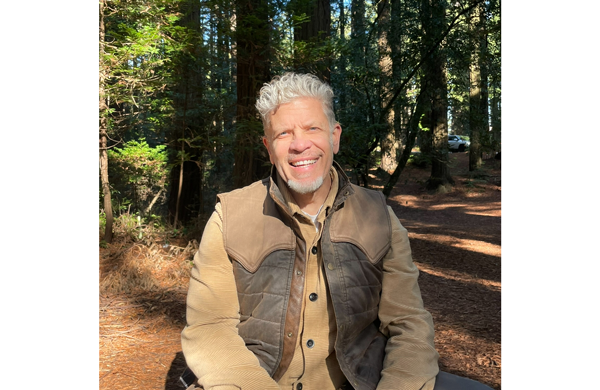
Larry is the founder of a mediation law practice. Through understanding he has helped thousands craft enduring solutions to [00:01:00] crippling conflicts, millions have watched this popular TEDx talk with secret understanding humans whose insights informs the enemy’s project. From 2024, Larry completed writing the novel, the Enemy Dance, posing the question, must the society riven by tribalism descend into war or can it heal itself?
Larry is a graduate of UCLA School of Law, where he served as editor of the Law Review and received numerous academic awards. Growing up, Larry was both the bully and the bullied. The one who was cruel and the one who was kind, he was sometimes popular. And sometimes friendless. He had many fist fights with kids who became his friends.
He had his very own chair at the principal’s office. He believes that his peacemaking today is born out of the callousness and empathy that he knew as childhood. [00:02:00] Please join me in welcoming Larry.
Hi,
Larry.
Larry: Hi there. That, it’s funny because that la last piece that you read about my, you know, the, the principal’s office that’s on my website, I’ve never had someone read that back to me and it brought me a little bit to tears, like, oh, that poor kid.
Yeah, I, I don’t hear that very often. So anyway,
Gissele: yeah. Oh, I really loved it when I saw it, and I could relate to it because I’ve also been both. when we hurt other people, we wanna be forgiven, but when people hurt us, you don’t always wanna forgive, right?
Mm-hmm. So it gives you the different perspective. I’m so thrilled to have you on the show. And how I actually came to know about your project is, so I’m a professor at a university and I teach research and ethics. And, what I had discovered about my students is that many of them don’t come with the ability to do the critical thinking, to be able to hold both sides.
Many of them come thinking there’s gotta be a right answer, and there’s a right way of doing things. Just tell us what the answer is. [00:03:00] And so for my students, I get them to write a paper where they tell me the things they feel really strongly about.
Then they’re researching the opposing perspective using credible sources. because trolls are easy to dismiss, right? So credible sources, the opposing perspective, and then they are supposed to, so tell me what are their main points? You know, like why do they believe what they do? And and are you really that different?
Right? And then the last part of the paper is. Talk about the emotions you feel and throughout the year I prepare them in terms of being able to handle it. So I teach them mindfulness, I teach them self-compassion so that they can hold because it’s really difficult to hold posing perspective. What? It’s research and ethics.
I do it for my, ’cause one of my research interests is compassion. And so, and I was a director of one of the departments I had was hr. And what I noticed was when people had conflict, it was the inability to regulate themselves, to sit in a [00:04:00] conversation that prevented them from going anywhere.
And so what I do in my classes, like I’ll do like a minute, like maybe five minutes, three minutes, right before the start of class, I’ll teach mindfulness or like a self-compassion practice and we talk about it all year. And then at the end of the year they’ll do a, a paper where they do the opposing perspective.
Then at the end they talk about the emotions they feel. So, and, and they can do that through music. They could do that through a photograph. They could do that through an art project or they just use text. They say, oh, I felt this. I felt that. And so it was in my students researching for their papers that they encountered your project.
And they were blown away. They were so, so happy about it. And I like, I’ve watched the episodes. They were amazing . And so that’s why I wanted to have you on the show. And so I was wondering if you could start by telling the audience a little bit about the Enemies project and how you got inspired to do this work.
Larry: So the Enemies Project is a [00:05:00] docuseries where I bring together people who are essentially enemies, people of really dramatically different viewpoints, who pretty much don’t like each other. And so an example is a trans woman and a, a woman who is maga who believes trans people belong to mental institutions a Palestinian and a Zionist Jew and, and lots of other combinations.
And the goal is not to debate. There are lots of places where you can see debates and I allow them to argue it out for a few minutes to, to show what doesn’t work. And then I bring them through kind of a different process where they. Understand each other deeply, which basically means live in each other’s viewpoint, really ultimately be able to, like you’re trying to do in your class as well.
Have them express each other’s viewpoint. And that is a transforming process for them. Usually when they do it in each other’s presence. And it, you know, it has hiccups which is part of the process, but it goes really [00:06:00] deep. And so ultimately these people who hate each other end up almost always saying, I really admire you.
I like you. I would be your friend. And sometimes they say, I love you. And usually they hug and there’s deep affection for each other at the end. And they’re saying to the camera or to, you know, their viewers, like, please be kind to this person. This person’s now my friend. And that is for me important because.
Like you probably, and probably most of your listeners, I’m tired of what’s happening in society. I am tired of being manipulated. I think we’re all being manipulated by what I call enemy makers. People who profit from division financially, politically they’re usually political leaders and media leaders.
And we’re all being taken. And the big lie at the center of it is that people on the other side, ordinary people on the other side are bad or evil. That’s the, the dark heart lie at the [00:07:00] center of it. And if we believe that we’ll follow these leaders, we’ll follow them because we all want to defeat evil.
We all must defeat evil. And so what I’m trying to do in this project is unravel that lie by showing that people on the other side are just us. Yeah. And they too have been manipulated and we’ve been manipulated. So and it’s gone well, it’s gone really well. You know, there have been, we’ve been, we’ve done eight or nine episodes and we have in various forms of media, been seen tens of millions of times in the last five months.
And we have, I think, 175,000 followers on different media. And the comments are just really, from my perspective, surprisingly, kind of off the chart powerful. Like this has changed tens of thousands of comments of just this is, this is in. Sometimes I’ve, I cried throughout or it’s actually changed my life.
I see people differently. So it’s, it is been really, it’s really great to have that feedback and, and then we have plans for the future, which I can tell you [00:08:00] about later. But yeah, but that’s, that’s the basic background. The reason I got into it I don’t know if you have kids, but for me, kids are the great motivator.
You know, the next generation, probably people who don’t have kids also are motivated for the next generation as well. We, I care deeply about what I’m leaving my kids and other people’s kids, you know, they all touch my heart and I, I feel really terrible about the mess we’re believing them in, and I feel terrible about what humanity is inheriting.
And so I want to have an influence on that.
Gissele: Yeah. Yeah. And one of the things I love about your docuseries is that the intent isn’t to change anyone’s mind. The intent is for people to feel heard and seen, and that is so, so powerful. It makes me think of Daryl Davis about how he went. Do you know the story of Daryl Davis?
I don’t like jazz musician. So he’s a black jazz musician who when, since he was little, he wondered why people were racist. So what he did was actually go [00:09:00] to KKK rallies and speak to KKK leaders. Yeah,
Larry: I have heard, yeah.
Gissele: Yeah. He didn’t mean to change anyone. He just wanted to offer them respect, which you, as you say, is fundamental and just wanted to understand.
And in that understanding, he created those conditions too that led people to change . And so I think that’s the same thing that your docuseries is offering.
Larry: Absolutely. I mean, you can see it so easily that Yeah, as soon as one person hears the other person, the person who was heard is the one who changes.
you don’t change the other person by telling them your story and by convincing them of anything. It’s when you hear them and hear what their true intention has been and what’s going on in their life, that’s when they change.
It’s the fastest road to their change really. But if you go in with that objective, then they won’t change. So there’s kind of a, you know, an irony or a paradox embedded in this, but usually both people move [00:10:00] toward each other, is what happens. Yeah.
Gissele: I want the audience to understand how brilliant this is because, I don’t know if you know Deeyah Khan, she’s a documentarian and she interviewed people from the KKK
And one of the things we noticed in all those interviews was that many people hate others. They’re people that they’ve never met. They’ve never met people in that group, but they hate them. So,
Larry: yeah, that’s, that’s really interesting just to hear that. Yeah.
Gissele: Yeah. So how does the Enemies project help challenge misconceptions about groups that have never met each other, carry beliefs about the other?
Larry: Well, so far really hasn’t because everybody who we’ve done a show with has met people from the other side.
Gissele: Oh,
Larry: okay. You know, it’s not like because thus far with the, with I think one or two exceptions, everyone’s been an American. So in, in the United States, everybody’s gonna meet somebody else. they’re not friends with them, they’re not deeply connected with them.
But from my perspective it, it doesn’t [00:11:00] matter. You know, you can be from the most different tribes who’ve never met each other, we’re all gonna be the same. the process never differs. we don’t start with politics.
My view is that starting with politics, which is how some, some people who try to bring others together to find common ground, start with politics, and that’s not going to work. What I start with is rapport. You know, as soon as you start with something that a person is defensive over, you’re gonna put up, they’re gonna be wearing armor, and they’re going to try to defeat the other person.
So we exit that process and we really just help them understand what’s beautiful in each other’s lives, what’s challenging in each other’s lives, and they, there’s no question that as soon as you see what’s beautiful in someone else’s life or challenging, you’re gonna identify with it because you’re gonna have very similar points of beauty and challenge yourself.
And then we fold. Politics into it about why politics really are important [00:12:00] to the other person. And we do it in a way where it’s a true exploration. And once that happens, people connect deeply.
so it doesn’t matter from, in my experience, how different the people are, how extreme the people are.
you’re going to be able to bring them together, you know? And so if they haven’t met each other, it’s really interesting what you said that people hate, people a haven’t met, which is like a, such a obvious statement. And it is really profound just to hear that, like, it’s so absurd. Yeah, and I would say that in my experience, the most profound or the deepest sessions are with people who are really dramatically surprised that the other person’s a human being.
So if they, if they haven’t met each other, if they haven’t met someone like that, it’s gonna be an easy one. Yeah. ’cause because the shock is gonna be [00:13:00] so huge.
Speaker 4: Mm-hmm. And
Larry: so, and so full, it’s when the people have had experiences with the other side that it’s, that it is, it’s still powerful, but it can be a little bit more intellectual than, than in the heart because when you’re shocked by someone’s humanity, because you couldn’t imagine it at all, it, it really crushes your thoughts about them.
Gissele: What I love about the process is that that’s the part you really focus on. You masterfully, are able to get people to really get to the root of their humanity and make that connection and then reengage in the dialogue , which is, is amazing. So who individuals selected and what’s support needs to happen before they can engage in the dialogue?
And I ask that because each individual has to be able to hold the discussion. Because sometimes it’s, sometimes it can feel so hurtful, and I’m thinking in particular, even Nancy. So they’ve gotta be able to regulate enough to stay in the dialogue. Otherwise, what [00:14:00] I have seen is people will eject, they’ll fight, they’ll just kind of flee.
So what preparation needs to happen and how do you select people?
Larry: So on the selection front, it’s different now than when I started, you know, when I started filming about a year ago, I didn’t have any choices. You know, it wasn’t like anyone knew who I was or they had seen my shows, so I would go, I would live in the Bay Area and it’s really hard to find conservatives in the Bay Area, but all the conservatives in, in the San Francisco Bay Area congregate, they have like clubs.
Mm-hmm. And so I would go on hikes with, in conservative clubs and I would speak to them and I just would try to find people who were interested. There were no criteria beyond that. Now, having said that, it’s not entirely true. I did interview some people who I just were like, they’re two intellectual, they just wanted to talk about economic issues or stuff, something like that.
and then for liberals, it was actually harder, [00:15:00] believe it or not, to find people in the Bay Area who wanted to participate. I could find tons of liberals and progressives, but they had zero interest in speaking to a conservative person. And I wasn’t sure if that was a Bay Area phenomena, because liberals are so much in the majority, they don’t really care to speak to the other side, whereas the other side wants to be heard, or whether that’s a progressive kind of liberal thing.
I have my views that have developed over time, but it was hard to find liberal people. And so really at the beginning it was just people who were willing to do it. There weren’t criteria beyond that. At this point, you know we’ve received some that people know what we’re doing and people want to be on the show and we receive applications and my daughter.
Who runs this with me, my daughter Sadie, who’s 20 years old and in college. She is the person who finds people now, and you might have seen the episode a white cop and a black activist. I don’t know if you’ve seen that one, but, you know, she found those two people and they were [00:16:00] great.
And the way she found them is she searched the map on the internet. It’s a little different now because by searching people on the internet, we find people who have a little bit of an audience. Mm. And that could be a bit of a problem. But it’s also like so much less time consuming for us. And so.
You know, if we had a lot of money, we would spend more money on casting, but we don’t, and so mm-hmm. But we were able to find pretty good people. I’d say the main criteria for me, in addition to them having to have some passion about this, this particular show that they’re on, whether it’s about abortion or Israel, Gaza, the main criteria for me that’s developed is, do I want to hang out with this person?
Because if I do, if the person, not whether they’re nice. Okay. Not whether they’re kind. That’s not it. I want them to have passion and I want to like them personally, because if I, it’s not that I don’t like the, some of the people, I like them all, but I don’t [00:17:00] want to hang out with them. If I do, it’s gonna be a great show because I know that they’re gonna be dynamic people and that their passion will flip.
they’re gonna connect in some way and people who are really cordial and kind, they’re not, they’re not going to connect as deeply. The transformation’s not going to be as powerful for them or for the audience.
Gissele: Hmm. Really interesting. I wanna touch base on something you said, you know, like that most people listen to debate.
And I like Valerie Kaur’s perspective, which is to listen, to understand is to be willing to change your mind and heart. And I also like what you said, which is listening is to love someone. Can you explain what you mean by that?
Larry: I think it more is the, it’s received as love than it, than necessarily it’s given as love.
It doesn’t mean that you love the other person when you’re listening, but all of us, I would say if we think of the people [00:18:00] that we believe love us the most, they get us. Yeah. We receive it that way and, and they don’t judge us. And so when an enemy does that for you, the thought that they are a bad person melts away.
Because if somebody loves us, and that’s the way it’s received, it’s not really an intellectual thing, we just receive it that way. They can’t be a bad person. Like somebody who loves me cannot be a bad person. And so it’s probably the most powerful thing that you can do to flip the feeling of the other side, is to listen to them, not to convince them of anything and to listen to them with curiosity, not just kind of blankly to listen to them without judgment.
That’s a real critical piece. And if you do, you know, you can see on the show, it’s just like, you can see the switch flip. It’s really interesting. You can almost watch when it [00:19:00] happens and all of a sudden. The person likes the other person and now they’re listening to each other. It was really interesting.
I was on a show one of the episodes is called I forget what it’s called. It’s the Guns episode. How To Stop The Bleed or something. It was these two women, and one of them has a podcast that she had me on and she said what was really interesting to her was that given how the show was laid out, like the first part of the show, they’re arguing, like usually doing a debate and they don’t really hear each other.
But she said, given how the show was laid out, she was not preparing her responses in her mind like she always does. When speaking to somebody else, she was not thinking about what she was going to say. Her job in her mind was to understand the other person, to really get the other person. She said it was a total shift in the way she was acting internally.
Like, like, and she said she noticed it. Like, I am not even thinking about what I’m going to say. And then she said afterwards she thought a lot about it, [00:20:00] and that was a dramatic shift from anything she’s been involved with. And that’s another way to put it. You know, I don’t, I didn’t think of that when, you know that the people wouldn’t be preparing for their response like we usually do.
But that is definitely what happens when you concentrate on listening, and so yeah, it’s received really warmly and it’s transforming.
Gissele: Yeah, and I think it, a lot of it has to do with how you manage the conversations, right? Like the tools that you use. I noticed they use the who am I right?
To try to get people to go down to their core level to talk about themselves, the whole flipping side, identity confusion, which we’ll talk about in a minute. So are these based on particular frameworks that you use to mediate conversations since you have a history of mediation? Or is this something that you sort of came up on your own?
Larry: It is something that I came up with on my own for the most part. I mean, I do a type of mediation in the law. I’m a lawyer where it’s unusual because [00:21:00] I’m doing like a personal mediation in a legal context. It’s kind of weird. for people. Yeah, but I only do the types of mediations where people know each other, like I don’t do between two companies, because there’s not really a human element to it.
It’s, it really is about money for the most part. But, but when it’s two human beings, the money is a proxy for something else, always. Mm-hmm. Yeah. and so I’m used to being able to connect people. I do, you know, divorce founders of companies, neighbors family members who are caring for another family member.
People who, where there wouldn’t be a legal issue if their relationship wasn’t broken. And so they already know each other. I don’t have to do that really deep rapport building. I do have to do some, but not really deep. but my theory was that when starting this project, which is mostly political, and people who don’t know each other, that there would be a piece missing.
You know, like I wasn’t sure if what I’d do would do would work. What I do with clients would work in this. Political context, and I want them to [00:22:00] know, my thought was how do I build that rapport, even if it’s broken in the personal relationship, like they’re craving that they want that healing, but here, like they don’t know the other person.
So it was really just me think thinking about how do powerful things that I want to know about other people.
Speaker 3: Yeah.
Larry: And so I really just tried it. I mean, like, you know, what is most, what would I most powerfully want from another person? and I develop a list of questions that really worked well, but I’m really practiced in keeping people focused on the questions at hand and not allowing them to deviate from what it is that I’ve designed.
So that’s something that, you know, I’ve been doing for 20 years, and it takes some skill to even know whether the person’s deviating, whether they’re sneaking in their own judgment or they’re, you know, they’re asking a question, but it’s [00:23:00] really designed to convince the other person. So I’ve good at detecting that from, from a fair amount of experience, and I’ve developed skills in how I can reel them back in without triggering them.
Gissele: Yeah. I’ve watched it, like you’re very good at navigating people back and it’s very soft and very humane. can I just bring you back here? So there’s no like judgment or minimizing of what they say. They’re just like, well, can I just get you back on this track?
It’s, it’s very beautiful how you do that .
Larry: Thank you. and you ask how I prepare people. It’s interesting because what I do is I interview them for an hour and a half to see if they’re a match for the show, an hour and a half to two hours. And I get to know them during that and, and me asking all these questions, gets them liking me.
Right. The same process happens between us. Yeah,
Gissele: yeah, yeah, yeah.
Larry: Smart. [00:24:00] and then before the show, I spend another, hour with them again over, it’s over video. I’ve never met these people in person, just repairing them for what’s going to happen, what my objectives are helping them understand that we’re going to start with conflict.
It’s not where we’re going to go. Just really helping them understand the trajectory and answering their questions. And so they come in with some level of rapport. For me, it’s not like we know each other really well, so a lot of times it’s just us starting together. But they do trust me to some extent.
There’s no, like, and you said, how do I get them to regulate? I don’t. there’s no preparation for that. It’s just that I, from so much experience with this, you know, thousands of conversations with people over the years, it’s easy to get a person to calm down, which is, you know, you just take a break from the other person to say, hold on a second, I’m gonna listen to you.[00:25:00]
And then they calm down. And, those skills, you know, the whole, the whole identity confusion and the layout of the questions, that’s kind of my stuff. But the skills that I use are not mine. I’ve developed them over the years, but a lot of them come from nonviolent communication.
Mm-hmm. And Marshall Rosenberg. And I got my first training in nonviolent communication probably 25 years ago. But I remember well the person’s saying, you’re moderating a conversation between, between two people. You prov you apply emergency first aid ’cause one person can’t, can’t hear.
And you as the intermediate intermediary can apply that. And it, so it becomes quite easy, you know, with that thought in mind that I can heal in the moment, whatever’s going on.
Gissele: Mm, mm-hmm. Beautiful. I wanna talk a little bit about the flipping side. ’cause I think it’s so, so important. Why do you get people to, with opposing [00:26:00] perspectives, to flip sides and then just reiterate the viewpoints from their perspective.
I know sometimes it can be confusing to the people themselves, but why do you get them to flip sides?
Larry: Yeah. So, so it might be helpful to view it through, you know, a real example. Let’s take. Eve and Nancy, which is, you know, a really powerful episode for your, wow. Your listeners who haven’t watched or heard any, any of these, Eve is a transgender woman.
Fully transitioned. Nancy is what, what she called a gender fundamentalist wearing a MAGA hat. She comes in and she’s saying stuff like people who are trans belong in mental institutions. She tells Eve to her face that you’re a genetically modified man. Eve is saying, you know, you people don’t have empathy for other people.
They’re really far apart. Let’s just say it’s not gone well. [00:27:00] Eve is very empathetic, however, you know, like she is unusually empathetic. And able to hear Nancy, and that is transforming for Nancy. I mean, I can’t express the degree to which Eve’s own nature and intention transformed this. You know, I helped, but it is an unbelievable example of me listening to you will transform you.
And where I take them ultimately is I’m preparing them as they’re understanding each other for switching roles. Because what happens when we switch roles? I mean, my thought is that human beings can easily, you might, it might be weird to this, this point, but we, we often say you can walk in the shoes of another person.
How is that even possible? If you, if you think about it, we, we have totally different upbringings, you know, how can you experience what another person experiences if we have totally different upbringings, [00:28:00] different philosophies. Like, how is that possible? And yet almost everybody can do it. And it’s because we have the same internal machinery, we have the same internal drives.
We just have different ways of achieving them. And so if you can slowly build your understanding of a person’s history and their beliefs, like a belief might be that there’s Christ who is love and will save me. That’s a belief. If you identify the person’s history and their beliefs and you occupy that belief, you can understand why it’s important to them.
If you have that be, why would that be? Well, it’s important to me now if I really believe that, because I wanna live forever. I can be with the people I love forever, I can help save other people. Like can there be anything more powerful than saving somebody’s soul? Like once you enter their belief, and the reason we’re able to do [00:29:00] that is because we are the same internally, we have the same desires.
So the whole show is a buildup toward getting them to understand each other’s beliefs and experience and then occupy them. And once we do and we start advocating on the other person’s behalf, we become confused who we are. And that’s really powerful. Like, I don’t even know who I am and I’m doing this legitimately, like I’m totally advocating for you.
I’m saying stuff you didn’t even say. Yeah. And then you are listening to me do that, and you’re blown away like you’ve never been heard so deeply. And particularly not by someone you consider an enemy. And so that is transforming. What I will say is that I use this process a lot in mediation. For a different reason.
My mediations are not meant to repair relationships. This is meant to repair relationships my mediations are meant to solve issues.
Gissele: Hmm.
Larry: In, in this show, I [00:30:00] specifically tell them, you are not here to solve the issues. Like, how are they gonna solve the Palestine Israel issue?
Yeah. Right. Yeah. Yeah. Exactly. And it’s too big of a burden and no one’s gonna listen to them. Mm-hmm. The goal is to show the audience that people should not be enemies. That they’re the same people on the other side. That’s my goal. So I try to keep them away from solution seeking because they will be disappointed.
People won’t listen to them and things could fall apart. And that’s, it’s not the point of the show. But what’s interesting is that in my mediations, I use this tool of having them switch identities to solve issues because once they do occupy the other person’s perspective fully, they are then. Solving the issue because they understand that an internal level, the other person and what drives them, and they have no resistance to that and they understand themselves.
They already understand themselves. And so during that process, solutions emerge because [00:31:00] they’ve never been able to hold both perspectives at the same time. And I heard you say that when we were opening the show, I don’t remember what the context was about holding both perspectives at the same time.
But you, you said that, that that’s something that you do. Yes.
Gissele: So so when, when students are taught research or even like thinking about ethical considerations, right? When you’re doing research, you’ve gotta be able to hold differing perspectives, understand differing views, understand research that might invalidate your perspectives, right?
And so if you come already into the conversation thinking that there’s a right way or there’s a right perspective, and I heard you say this in your TEDx talk, I think you were talking about like, we can only win if we defeat the other side. That perspective that there’s only one side, one perspective prevents us then from engaging in dialogue and holding opposing views.
Larry: and the holding the opposing views for, in my mind is not an intellectual process. Like you might think that if I, if I list all the [00:32:00] desires and the goals on both and on a spreadsheet, then I’ll be able to solve it. No chance. Yeah. It’s not a conscious intellectual process. It’s when you get it both sides deeply without resistance that your subconscious produces solutions.
So we don’t consciously produce solutions. And what I found is that that is the most powerful tool to bring people to solutions where they are themselves and the other person at the same time where both people are doing this and then one person just suggests something that never occurred to any of us.
And it solves it.
Gissele: Yeah. Yeah. Now, that doesn’t
Larry: happen in, in the show because I’m specifically telling them not to seek solutions, but it does happen in mediation.
Gissele: Hmm. Yeah. And What you’re doing is so fundamental too, sometimes it’s not even about finding a solution.
Sometimes it’s even just about finding the humanity in each other. And that is such a great beginning. You know, people wanna solve war. Yeah, of course we all wanna [00:33:00] eliminate war, but sometimes there’s war within families with neighbors. So why are we worried about the larger war where we’re not even in able to engage and hold space for each other’s humanity within our homes?
And so I think what you’re inviting people to do is, can we sit with each other in dialogue without the need to change each other, just with respect, which you’ve mentioned is fundamental, just with presence, just remembering each other’s humanity. And I think that’s all fundamental.
Larry: Mm-hmm.
Yeah.
Gissele: Yeah. I wanted to also mention, you know, one of the things that I noticed in, the conversations is how you focus people on disarming, and one of the ways that you get them to disarm is to take their uniforms off. Can you talk about a little bit about how uniforms show up in these conversations?
Larry: Yeah. Some people come with like a MAGA hat or a pin or bracelets or something like that, that show which side they’re on, and I don’t discourage that. You know, [00:34:00] it’s part of the process for the audience from my perspective, because at a certain point, if they do come that way, I ask ’em not to wear a shirt that they can’t take off, but they might wear a hat.
And if they, when they do take that off, eventually when we, when we stop the argument, when we stop the debate portion and we enter into another. Portion of the discussion, you can see the effect on the other person. And you can even see the effect on the person who took like the most dramatic is Nancy.
Gissele: Yep. Nancy is wearing a, that’s the one I was
Larry: thinking. MAGA hat. Yeah. And then she puts on Nancy is is from Kenya and she puts on a Kenyan headdress because her hair is, that’s so beautiful. A little messed up from the hat. And she’s like, I’ll put this on. and I asked her like, wow, you look really happy when you have that on.
And she’s like, yeah, this is my crown. And she is almost like a different person and you know, uniforms basically divide, I mean they announced to the other side [00:35:00] essentially. I don’t care about you whether consciously or not. it’s interpreted as I will defeat you at any cost. You just don’t matter.
I am on this side and I will crush you. And, and when she took that off, you could really actually see the difference in her and in Eve.
Gissele: Yeah, absolutely. It was truly transformative. ‘Cause I noticed that when she had the hat you can even see it in the body language. There was a big protection.
And she use it as a protection in terms of like, well, my group but when she used her headdress, it was so beautiful and it was just more her, it was just her. It wasn’t all of these other people. When I think about, you know, the Holocaust and how people got into these roles.
’cause you know, in my class we talk about the vanity of evil, right? Like how people, some people were hairdressers and butchers before the Holocaust. They came, they did these roles, and then they went back to doing that after the war. And it’s like, how does that make sense? And, and to put a uniform on, to [00:36:00] put a role on and then fully accept it, like you said, creates that division, creates that separation between human beings.
Whereas what you’re doing is you’re asking them to disarm and to go back to the essence of their own humanity, which I think is really powerful. But it was really interesting the whole discussion on, on uniforms, right?
Larry: Yeah, yeah. it is one of the many ways we separate ourselves, that we separate ourselves, that we perceive ourselves as different than them, and that they view us as a threat.
Gissele: Yeah. Yeah. Yeah, I heard you say that enemies are not enemies, it’s just us on the other side. What do you mean by that?
Larry: I mean the ordinary people of the enemy. I believe enemy makers, if you can think of who you might consider an enemy maker. They are political leaders and they are media leaders.
And they wouldn’t exist. They wouldn’t have any [00:37:00] power. People wouldn’t vote for them. People wouldn’t watch them if they didn’t create an enemy. If they didn’t foster the idea that there is an enemy. And the enemy has got to be broad. It can’t just be one person. It’s got to be a people that I’m fighting against.
It’s gotta be a big threat. And so they paint people who are ordinary people on the other side as a threat. All the time. Yeah. and so that’s the, big lie at the center of it, that they’re a threat. And what happens is, there’s the psychological process that the, brain goes through.
The mind goes through that where once we’re under threat, that’s a cascade that is exists in every human being. And that results in us going to war with the other side once we’re under threat. But this is an us choosing a leader. But this is a very fundamental basic process and [00:38:00] fundamental, basic lie that that autocrats and demagogues and people who just want power have been using forever with human beings, I imagine.
And it’s extremely powerful. And so what I intend to show is that that is a lie.
Gissele: Hmm.
Larry: That is just not the truth because at the core of this psychological process is the thought that you’re a threat to me. And then this whole cascade happens internally for me. If I no longer believe you are a threat, the cascade unwinds and the power of the enemy maker unwins, it can all flip on that one lie.
And so I want people to understand that ordinary people on the other side are just them. Like, I can’t tell you how many times people on the show are, are just like, holy cow. Yeah, I see myself in you. Like I, that’s exactly what I’m experiencing. And it’s revelatory for [00:39:00] them. Like how could that be?
Like how could we be opposed to each other? This is crazy.
Speaker 3: Yeah. Yeah.
Gissele: And you know, it’s amazing how when we truly understand somebody’s reasons for believing what they do, their history, their beliefs, why they believe makes sense, right? Yeah. Like, I saw it a lot in children in care, in the child protection system.
Their behaviors seem reallymisbehaved. they shut down. They, act out. in some cases, that’s how those kids survived, these abusive homes, right? And so to them they’re still always on survival mode.
Yeah. Makes sense. That’s what helped them survive. And so you, when you understand the other person’s perspective makes sense. Yeah. And you know, as you were talking, I was thinking what is going on for those demagogues and those authoritarian people that believe that that’s the only way that they can get what they need.
you mean the leaders themselves? The leaders themselves, like so powerful people, people that are in their power, feel, love, feel [00:40:00] fulfilled, don’t need to disempower others, they don’t. In fact, the more that you love yourself at least that has been my experience, the more I have compassion for myself, the more I love myself, the more I’m in that state, the less I wanna hurt other people.
The more I care about other people actually. So what is going on for them? That they think that this is the only way to get their needs met?
Larry: I’ve thought a lot about this, you know, because the goal of this show is to show that people aren’t enemies, but there are enemy makers.
And to me they are the enemy. like of all of the rest of us, all of us who are just trying to exist in the world, who prefer a world where we’re working together, you know? Yeah. It’s these people on the extreme who are, who are basically consciously sucking the goodwill out of society that I couldn’t care less about that because they get power.
So is there something different about them? Is there, I have a few conclusions. One is [00:41:00] that there are people who are different that, that they are born, you know, all of us are born with the same internal desires and almost all of us get pleasure from seeing other people happy.
That’s just born into us. Like, you know, almost everyone who’s an activist who comes onto the show, everyone actually is doing it because they want to other people to be happy. They, they don’t want people to experience the same pain that they’ve been in their life, but there are people who are born without or have extremely dialed down the pleasure that they get, the happiness that they get from seeing other people happy and healed.
It’s not that the rest of us always want to see other people happy, but it, it’s one of our greatest sources of pleasure. There are people who are born without that. We call them sociopaths, Some leaders are sociopaths.
They, don’t, I believe, obtain pleasure from other people’s happiness and they’re able to manipulate us quite often very well. And it’s these people who in peace time, [00:42:00] we wouldn’t even sit next to, we wouldn’t invite them over for Thanksgiving. Those are the people we choose, that it’s, it
Gissele: doesn’t make biological sense.
Larry: Well, they’re the people we choose when we’re at war, they are the people we choose. So, so think about this, okay? There is a virus, and the virus will kill 95% of human beings. And you have a leader who says there’s someone in power who says, we understand that people who are infected are going to infect other people, that as a society, we need to euthanize them.
We actually need to do that as a society to save other people. Mm-hmm. There might be a leader who is empathetic, who says, I can’t do that. That, that feels wrong to me. almost all of us turn to the someone else who is a tyrant.
Gissele: Who’s willing to do [00:43:00] what needs to be done to save us, right, exactly.
Larry: To defeat evil, to kill, you know, when there’s a big enough threat, we will turn to the tyrant. And so people who are sociopaths and who in normal society would be rejected as a person who’s extremely dangerous, are the very people we turn to in times of war, when evil needs to be defeated. And so if you’re a sociopath and you want power, there’s no other way to power, you’re not going to follow the route of cooperation.
You’re not going to follow the route of, you know, building alliance with the other side. You’re, if it, you’ll go the route of creating an enemy. And so that’s what we’ve, we’ve found. In our society, there are people who rise to power, who are the very people we would want nothing to do with in peace time.
And that [00:44:00] people turn to, because they believe the other side is an enemy. They believe they are the virus that will kill 95% of people. So you can think of any leader and you might say, how could people follow this person? How could they possibly, what kind of evil is in people that they would follow this person, given what this person is doing?
And the answer is obvious. They’ve been convinced that the other side is evil.
Gissele: Yeah.
Larry: And they truly, truly believe it.
Gissele: This makes me think Hitler would’ve been a lone nut if 10 million people hadn’t followed him. Right?
Larry: Right. And they believed, right.
Gissele: They believed, I
Speaker 4: mean.
Larry: That, that Jews were, were incredible danger.
They also ignored it and, you know, wanted to get along in society and, and be with the people they cared about. But, they truly believed that Jews were evil. Yeah. And if you, if you can convince them of that, you can lead a people.
Gissele: Yeah. So the, it goes to the [00:45:00] question of like the reflexivity, like, so what is people’s own responsibility to constantly examine their own biases, beliefs, and viewpoints?
Right. I gotta applaud the people that are on your show because they have to be willing to engage in a dialogue. So there’s an element of them that is willing to be wrong, right? or willing to kind of engage in that perspective. And we struggle so much. Yeah, with being wrong, like the mind always wants to be, right.
We want to be on the side of good. And that’s one of the things that I was so reflecting on, I think I was listening to the conversation with, proud Boy, and the, in the progressive. The, yeah, progressive
And that’s one of the episodes, by the way, for people. Yeah. That’s one of the episodes. And, and I, I love the follow up by the way. That was also amazing. It’s so funny because I was like, oh, is there a follow up? And I were like, went to search for it. Just to see how both sides feel that they’re right.
And on the side of good, on the side of like positive for humanity, I think was really puzzling to me we have different ways [00:46:00] of getting there. You know, the people that for Trump really truly believe that some of the stuff he’s doing is very beneficial. The people that are against, they truly believe that what he’s doing is horrible.
And to see those perspectives that at the core of it is a love or a care about humanity was really kind of mind blowing.
Larry: Yeah, that is mind blowing.
Gissele: Yeah,
Larry: it is mind blowing. And what is infuriating to me is that we are manipulated to not pair with these other people because then these leaders would lose their power, you know, it’s a huge manipulation.
Gissele: So this is why it’s up to each of us to do that work, to do the coming together, the engaging in the conversation, even though sometimes it feels difficult. And, having a willingness to listen And that’s the thing, that’s the thing about your beautiful show, which is like, you don’t have to agree at the end.
You just have to see each other’s humanity, right? to let go of enemies, let go, to let
Larry: go of that we have to agree that’s a real problem for me as well. Like when I get into a conversation with someone, [00:47:00] it’s like, how do we conclude the conversation if we don’t agree?
It’s almost like it’s, it’s a forced imperative that is a mistake. Like that’s the point of the conversation. Yeah. for the most part, let go of that because I see now that that was just a mistake. Like we never had to agree.
Gissele: Yeah. I so let’s talk about then, since we’re talking about disagreement, let’s talk about censorship,
So because of the class that I teach, because I want them to understand different perspectives. One of the things I say in these papers is like, look, you can be pro-choice or pro-life. You can be pro Trump or against, I’m not judging you. That doesn’t matter. The exercise is to view the other side.
That’s it, right? But it’s amazing how some of these dialogues in institutions have been diminished because there’s the belief that if we have these conversations, we’re supporting it, right? But the truth of the matter is that dialogue goes underground. It doesn’t disappear. It [00:48:00] doesn’t mean like, oh, everybody now believes this.
It just goes covert, right? And these dialogues about these opposing perspectives are happening. And so I think I’d rather have these conversations up. And so that we can engage in dialogue and see what people are believing. I mean, there’s this undercurrent of racism, it seems, from my perspective, it it that that has existed for such a long time.
It used to exist very, like visually in terms of slavery, but now there is still underground racism, right? Like it’s covert people may be able to vocalize the importance of diversity, but some people don’t believe it. So let’s talk about it rather than kind of like try to get those people to disappear and pretend it’s not there.
What are your thoughts?
Larry: Yeah. You know, there’s been a criticism that comes from the left a lot on the show, from people, from in comments is that we platformed bad guys. Like, you should not, you should not be giving a [00:49:00] stage to a proud boy. Well, if you listen to the Proud Boy’s perspective, this guy is like completely reasonable.
He, he, you know, from people on the left, they’re even confused that he’s a proud boy. I think he might be confused about why he is a proud boy, I’m not sure. but he’s completely reasonable. So to, to just reflexively reject this person. He’s not there to represent the proud boys.
He’s there to represent himself and to reflexively reject this person is to miss out on really a, a beautiful person and an interesting perspective. I’ve given a lot of thought to the criticism, however, because there’s a guy I’m considering having on the show who is a self-described fascist, a white supremacist, and I’ve had conversations with him and it is amazing how.
The reason he is a white supremacist is he truly believes that white people are in danger and that he will be rejected. There will be no opportunities for them, and that he [00:50:00] is possibly in physical danger. He truly believes this. And if I believe that, you know I might do the same thing. And, I had a three hour interview with him where I really liked him, but I’m probably not gonna put him on the show.
And, I’ve really thought a lot about whether to platform people and, I’ve kind of developed my own philosophy on whether it’s worth whether I should be airing viewpoints or not. And my thought is that a bridge goes both ways. So I can build a bridge where I walk him back.
I am confident that I can have someone hear him out and him develop a relationship with them where he then becomes less extreme in his viewpoints.
Gissele: I was gonna say, I think you should have him on the show. here’s is my perspective. Okay? Again, this is so similar to what Darrell David said, right?
his intent wasn’t to change. It was to [00:51:00] understand, I think if we understood why people were afraid of us or hated, I’m Latino, by the way, right? We understood then we, can have the dialogue. The thing is like. People are giving like a one-sided propaganda. And it’s true, like if you actually hear the rhetoric of many separate groups is the fear of the other.
Even though when you look at the population stats, right, even in the US black people make up 4%. Indigenous people make up 2% of the population. Like I think white people make up 57% of the population of the US and it’s higher in Canada. But it’s the fears, even though they might not be based on reality.
That’s the rhetoric that these groups use. They use the rhetoric of we’re in danger, that these people are out to get us to destroy us. Thatsomehow it’s better for us to be isolated and separated. And they use the rhetoric of belonging. They use the rhetoric of love. They [00:52:00] use a co-opt it
I don’t even think it’s rhetoric
Larry: for them. It’s truth for them. Okay,
Gissele: thank you. Yeah, so if you have people who are engaging in those different dialogues, like Darrell did, people don’t understand why they believe that the way that they do. Right? Because, because it’s real. Right? Now that rhetoric is happening, whether people wanna face it or not, that’s the problem.
So
Larry: I you completely, and when I first started this, I said to myself, there’s no question that I’m gonna have a Nazi on the show. There’s no question. But as I’ve thought about the critique that’s been offered, I’ve kind of drawn a line for myself at least present. And, and that’s fair. but I’ll tell you why I haven’t, I haven’t said why yet, which is A bridge goes both ways and, while I believe it’s really important to hear people, them out, because you walk people on both sides back from the extreme, toward the majority when you hear them out because they don’t see people as a threat anymore.
As much. [00:53:00] What happens is by building the bridge, you provide an opportunity for many people to walk out toward them. When you give them an opportunity to hear, hear them out publicly, and my thought is that I will hear anybody out who has a large following because they already are being heard.
Mm-hmm. They already have people walking out to them, and my goal is to bring them toward the rest of us so that we can function as a society. Mm-hmm. But I’m not gonna hear somebody who’s 0.1%, who’s because. Mm-hmm.
Gissele: Okay.
Larry: I understand me walk because they’re, I can walk them back, but maybe I walk 20 people out to them.
Gissele: And it creates
Larry: a bigger problem. And so, in my own view
it’s about how big their following is already. Mm. Even though, yes, it’s, we can walk them back by hearing them.
Gissele: Mm. Yeah. So, yeah. It’s, [00:54:00] it’s so interesting. I was just thinking about Deeyah Khan
And Darryl David’s the same. And one of the things I noticed about their work is that, and I noticed it in yours too, is sometimes what happens in these sort of circumstances is that the people that they are exposed to might become the exception to the rule. Have you heard of the, the exception to the rule?
So let’s say I meet someone who’s anti-Latino, but they’re like, but then they like me. And so they’ll do, like, you are all right.
Speaker 4: Yeah.
Gissele: I still don’t like other Latinos. Right. And so in the beginning that used to irk me so much. Right? Then I realized after watching all of this, information and I observed it in your show and I thought about it, is that’s the beginning of re humanization.
Larry: I agree with that. It’s like it’s a dial, it’s not a switch. Yeah.
Gissele: Yes. And so it begins with, oh, this is the exception to the rule, and then this next person’s the exception to the rule, and then this next person, and then, then the brain can’t handle it. Like how many exceptions to the rule can there [00:55:00] be?
They couldn’t hold the exception to the rule anymore.
Right. It had to be that their belief was wrong Right. Which is, it’s really interesting. And, and
Larry: it’s another, another interesting thing I often say, which I get negative feedback about this statement that we don’t choose our beliefs. we don’t have any power over them.
They just exist. Mm-hmm. And we can’t choose. Not if I think that. A certain race is dangerous to me. I can’t just choose not to. You can call me racist, whatever. I just can’t choose my thought about it. I have an experience. People have told me things. That’s my belief. That belief gets eroded. It doesn’t get changed.
Gissele: Mm-hmm. It,
Larry: it happens not consciously. Life experiences change our beliefs, we don’t just suddenly love white people. if we’ve experienced, brutality from white people or from white cops, you don’t just change your belief about it. You have to get, you have to slowly be [00:56:00] exposed. You have to, or be deeply exposed.
so these types of things erode our other beliefs.
Gissele: Mm-hmm.
Larry: And, and my goal is not, you know, like Nancy came in, I would say as a nine or a 10 with her. Dislike for trans people when she left. Just to be clear, ’cause people I think are mistaken about this, who watch this show, she does not think still that trans people should be around kids.
She still thinks it’s dangerous, but she thinks trans people themselves are okay. That they can be beautiful, that they do not belong in mental institutions. And as she said, I would drink outta the same glass from you Eve and I would protect you. So she went from a 10 to a seven, let’s say?
Yeah.
Gissele: Yeah.
Larry: And she’s still out there. She still there. She used the word
Gissele: she.
Larry: Mm-hmm. Yeah. She used the word SHE and she’s still out there advocating for keeping trans people away from kids. and [00:57:00] people are like, so she’s a hypocrite. She’s, no, she has moved so far and. Eve moved toward, I shouldn’t paint Nancy as the wrong one.
Eve moved toward Nancy understanding that Nancy really is worried about kids, and Nancy brought up some things that really concerned Eve when she heard it, about the exposure that kids have to various concepts. I guess my point is that people who get dialed down from a 10 to a six or a seven can deal with each other.
They can run a society together. Mm-hmm. They don’t, they don’t invest all of their energy in defeating the other side, which is where all of our energy is now. I call it issues zero. You care about climate change, or you care about poverty, you care about mass migration, you care about nuclear per proliferation, you care about ai.
Forget it. None of these are getting solved. Zero. Yeah. Unless we learn to cooperate with each other, and if [00:58:00] we’re dedicating all of our energy to defeating the other side, every single one of these issues goes unaddressed. And so my goal is to dial the vitriol down so that we can actually solve some human problems so that the next generation doesn’t inherit this mess that we’ve created.
Gissele: Mm-hmm. You once said, I, I may be misquoting you, so please correct me. Revenge is a need for understanding. Can you explain that further?
Larry: Yeah. I said that in in my TEDx, mm-hmm. if someone has been hurt by another person, they often seek revenge. And that desire for revenge will go away actually when they’re understood.
If you’re under and you deny that you want to be understood by your enemy. You’d say like, that is baloney. they deserve to be punished and they need to be punished to provide disincentive for other people in society so that they don’t do this terrible thing. People [00:59:00] would deny that they want understanding from their enemy, but when they receive it, the desire for revenge goes away.
I mean, I’ve seen that innumerable times.
So how does the need for understanding help us live beyond the need to punish one another?
Well, I think that if someone’s seeking revenge against you, if someone’s trying to injure you, you can unravel that by understanding them,
whether we, people agree that that human beings seek revenge as a need or not, you can unravel it pretty, not easily, but you can pretty reliably. Very often people who seek revenge against each other, like in my mediations, once they’re understood by the other person, once they have some connection,
They go through some kind of healing process with the other person. They don’t even understand why they were seeking revenge themselves, like they are [01:00:00] completely transformed. they were like, that would be a total travesty of justice if you were hurt Now.
Gissele: Yeah.
I love the fact that these conversations get at the core of human needs, which is they need to be seen, they need to be understood, they need to be loved, they need to be accepted, they need to be long.
And so I think these conversations that you’re facilitating get to those needs, you kind of like go through all of the, the fluff to get to the, okay, what are the needs that need to be met? and how can we connect to one another through those needs? And then, and then from that, you go back to the conversation on the topic.
And really it’s about fears at the core of it, right? Like the fear that my children are gonna be confused or forced into something or, the fear that somebody’s gonna have a say over my body and tell me that I have to do something.
All of those fears are at the core and conversations get at those needs, not at the surface. Yeah. It’s not to say
Larry: I should say that. It’s not to say that the fears are irrational. Yeah. They might be rational. But you know, it’s also a [01:01:00] self-fulfilling prophecy that if we fear somebody, they’re going to think of us as a threat.
We’re gonna do stuff that creates the world that we fear. And it’s obvious with certain issues like between two peoples. You know, like if you fear that the other people are going to attack you, you might preemptively attack them or you might treat them in a, in a way that is really bad.
And, and so you start this war and that happens between human beings on an individual basis and between peoples, yeah. It’s less obvious, with an issue, let’s say abortion. my fear is not creating the issue on the other side.
but many of our interactions with other human beings, it is our fear that triggers them.
We create the world we fear.
Gissele: Yeah. And I think that goes back to the self-responsibility, right? to what extent are we responsible for looking at ourselves, looking at our biases, looking at our prejudice, looking at our fear and how our [01:02:00] fear is causing us to hurt other people. What responsibility do we have to engage in dialogue or be willing to see somebody’s humanity, right?
It’s
Larry: just this better strategy. Even if you think of it as, yeah, you know, people sometimes say these two sides. I get this criticism a lot, and this, by the way, these criticisms come from the left mostly that these two sides are not, are not Equivalent. Oh, okay. how could you equate Nancy and Eve, Eve just wants to live.
Nancy’s trying to control her, the left views, the right is trying to control them and oppress them and so they’re not moral equivalent. And my point is always, I’m not making a point that they’re morally equivalent. That’s for you to decide, okay? If you want to. I’m saying morally judging them is not effective.
It’s just not gonna produce the world that you want. So, you know, it’s just really effective [01:03:00] to hear them out, to take their concerns seriously, even if you think that it’s not fair. But you’ll then create the world you want. And if you don’t do that, if you poo poo them, even if they’re wrong, you believe they’re completely wrong, and you think that mm-hmm you know, there is good and evil and they are completely the evil one, you are going to exacerbate their evil by morally rebuking them.
And I want to say that like as clearly as possible, I haven’t made this point e enough on the show. I’m really kind of building a base before I go into more sophisticated, what I would consider a more nuanced. Philosophy, but if you judge somebody, it is the greatest threat to a human being. Just understand that we evolved in groups and moral judgment was the way we got kicked out of groups.
If you were a bad person, you were gone, you were dead. [01:04:00] And so all of us respond very, very negatively to being judged as selfish. I’ve had clients threaten to kill each other. Not as powerful as when one call person calls another person selfish. That is a knife at someone’s neck. And so if you wanna motivate your enemy, call them a name, call them a racist, see what happens.
You think that’s effective in convincing them of anything? You’re building a war and you’re building your own resistance. And so I’m not saying they’re morally equivalent to two sides. I’m saying people are creating their own hell.
Gissele: So powerful. I completely agree. I observed that as well. Like, it’s so amazingwhen you call people, oh, that’s your immoral, your, you racist, like goes to their core values, goes to their own identity, right? and I think the thought process might [01:05:00] be like,
Am I not worthy? Am I not lovable? Am I not gonna be accept? Am I gonna get rejected, like you said, from the community, right? And so that’s why people will go into defensive mode immediately, because any of us will immediately, yeah, yeah,
Larry: absolutely. There’s no human being who won’t.
There may be some people who can regulate it themselves, calm down, try to hear, but there’s no person who won’t view that as a knife at the neck.
Gissele: Yeah. Agreed. Have you ever had an episode that didn’t go as planned?
Larry: Yeah. And what did you
Gissele: learn?
Larry: the guns episode didn’t go as I planned.
Mm-hmm. I mean, I don’t Did you see that one by any chance?
Gissele: No. I don’t think I saw that one. No.
Larry: it’s these two women, it is unbelievably powerful Beginning. These two women both grew up in terrible situations where they saw family members get shot. one woman saw, you know, saw her brother get shot in the head and was holding him as he was saying, don’t let me die.
And the other woman, you know, her [01:06:00] dad was shot and then she believed she was facing home invaders and she was protecting her brother by putting her body over his, I mean, both of them had very similar upbringings and really tragic, and they went in different directions. one ended up being a gun advocate, believing that guns are necessary because the police aren’t gonna come, no one’s gonna protect us. And the other one believes that guns do incredible damage to societies and that their cause of terrible pain. And so they started out telling their story, you know, they arguing and it was, it was pretty, pretty dramatic.
And then they go to this next stage where they’re understanding each other, telling their personal stories. And it looks like they’re really developing empathy. But one of the women who is an incredible person, she’s dedicated her entire per life, essentially to helping people whose kids were killed heal from that pain.
And for advocating for them. She could not believe in the goodness of the other side, even though they had [01:07:00] such similar backgrounds. Mm-hmm. She was just like constantly like, I don’t believe you, I don’t believe you’re interested in human life. You know, she was expressing her doubt for the other person.
And after they shared this really incredibly warm or powerful stories of their childhood, and the other person said,I just feel this relational empathy. We’ve been through so much together. And the other one was like, really? I don’t think of you as a bad person now. You know, it was just so that level of, and I can understand how she ends up here, how she doesn’t trust the other side at all.
but she did not get to the place where she was really trusting the other person. And so the woman who was trying, the pro-gun person who was really trying, eventually said in her own mind, I’m done. Like, I’ve tried really hard and I didn’t really see this going on. I thought it was going great, but then I could see like in the identity confusion when I had them switch roles, it wasn’t going as well as I thought, like, you [01:08:00] know, it was kind of cordial.
Now it turns out that the pro gun woman did a really good job of, of trying in the identity confusion part. And the woman who was anti-guns felt really well understood. And so then she flipped and really felt like they were making progress and felt really warmly to the other person, but the other woman was done.
So it was a series of rejection back and forth. Mm-hmm. And in some ways you might say, oh, this is not really relevant to our national politics. this is really personal between them, that I couldn’t get them to deeply empathize with each other. I mean, there was cordial at the end, but it wasn’t warm.
but it does show to me how fragile our empathy for each other is because we have these deep ideas about the other side that can, that are so hard to, to unravel. You know, and that as soon as [01:09:00] we feel judged by the other side, but we’re, it’s happening individually in our own personal psychology that as soon as we believe we’re judged by the other side, we freaking can’t stand them and we consider them a threat.
Mm-hmm. You know, like Hillary Clinton from my perspective, lost the election when she called Republicans a basket of deplorables. That’s a threat that is so deep. You will hate the person who said that. Call the middle of the country. Flyover country. Ah, it’s funny. People on the east and west coast, we call it flyover country, that is a freaking threat.
Yeah. They will not forgive you for that and you wouldn’t forgive them either by dismissing them. By being dismissed like that. Mm-hmm. Sothat these two women experienced this rejection back and forth and couldn’t come to understanding in some ways is very personal and in some ways is just [01:10:00] like, that’s the reality.
and our differences are not as much about policy as they are about believing the other side is, is bad. And what we hear is that them saying bad things about us and that’s gonna make us infuriated and convince us that they are evil and that we must follow whatever leader is on our side to defeat those really, those evil people.
Gissele: Yeah. Thank you for that. The majority of your conversations are about 3.5 to five hours I saw with a mediator, obviously that has had 20 years of like mediation experience. What are some practical tools listeners can use to create a space when engaging in difficult or divisive topics?
Larry: You know I think that it depends whether we’re talking about politics or we’re talking about something in our personal lives. ’cause in our personal lives, very often we do need solutions.
Gissele: Mm-hmm.
Larry: Politics, we don’t [01:11:00] with the, with the other person. And so I, I think that listening, like just realizing what the goal is here, which is to maintain my relationship with you, that that is more important than solving national issues between the two of us.
Gissele: Mm-hmm.
Larry: Is a really good place to start. And then. If you can get yourself to being really curious, like, wow, you are a freaking puzzle. I wanna understand you. Like I’m not gonna try and convince you, you are a puzzle that I wanna understand and I’m not gonna judge you. I’m not gonna ask you questions like, well, if you believe that, why don’t you believe this?
That’s a persuasion. People have to understand that in themselves that they’re trying to persuade and they’re judging the other person in that moment. If you ask it as, that’s really interesting. I wanna understand what seems to me to be some difference between your two positions, but I really wanna understand, ’cause I know there’s a reason that’s different.
And so if you can [01:12:00] get your self to really not think that you have to come to a conclusion, but that you’re just trying to understand them, they’re gonna move toward you. Don’t try to solve the issue. That’s my my thought. Just don’t even try to solve it. There’s what’s gonna happen if the two of you solve the abortion issue?
Oh, we have a solution. Like, who is gonna listen to you? Not no one. Now in terms of personal relationships, you know, it, very often we need a solution. And so listening does do a lot because sometimes it’s just like we are in our personal relationships not feeling understood, and we feel judged and unappreciated.
So that is key as well.
Speaker 3: Mm-hmm.
Larry: The hard part in the personal re relationship thing is that, with somebody on a, political issue, what if they don’t reciprocate? So I listen to you and you don’t reciprocate, and you don’t listen to me. I can handle that. Like I learned a lot.
I know that you move toward me. I know that you feel [01:13:00] better about me, actually, but it gets pretty tiring if you’re the one who’s listening in a personal relationship and the other person’s judging you and doesn’t participate in that way. Yeah. And I don’t know what the solution is to that if it endures for a very, very long time, because it does take two people to have a healthy relationship.
but it’s very likely that you’re caught in what I call the enemy dance. In the personal relationship where both people feel threatened. I didn’t go into this with, but it’s like the critical piece, which is called the enemy trance, the critical psychological piece.
When we feel threatened any human being, our empathy for the other side shuts down is adaptive. you’re not gonna feel empathy for somebody who’s pointing a gun at your head. you wanna defeat them. And so it’s adaptive that our empathy such shuts down. And once our empathy shuts down, it’s really interesting what happens.
Not only do we not care about the other side, like not only am I willing to punch the guy in the face [01:14:00] who’s pointing a gun at me, I actually lose my ability to understand what’s going on inside of him. Because without empathy, we can’t feel what they’re feeling. And most of our understanding of how other human beings is unconscious, we’re mirroring them in some way.
We’re feeling what they feel. It’s not a conscious process. And so when empathy shuts down, when you threaten me, I’m in this place where I don’t even understand you. And I think that you’re a bad person. I’m left with no understanding, except that you’re intending to do this to me. That’s my understanding.
You want me to suffer, you wanna hurt me? You want to control me? That’s what people conclude in personal relationships all the time. and it’s happening both ways. Both people are caught in the enemy trance and then they start dancing.
This dance where it’s confirmed over time. And maybe you can get the, the understand that if the other person thinks bad things about you, almost definitely they see you as a threat. And so their empathy inside of them shut down and they can’t understand you. Like they have no [01:15:00] control over that.
That’s what happened. They’re caught in that. And so maybe you can restart the system by understanding them, that you can rekindle the relationship by, expressing some warmth and really just understanding them without judgment. And maybe you can’t.
Gissele: Yeah. I really like what you said. I’ve said that to my kids before, that the relationship has to be more important than being Right.
Right. Like it has to be more important.
Larry: Yeah.
Gissele: Just, yeah. and then the other part is as well that to me, like listening without judgment really is the stepping stone to compassion, right? Like, we can’t have compassion for other people if we don’t really understand them or understand their story.
And so it enables us to connect to that aspect of ourselves. Mm-hmm. Which I think is critical. What does success look like for the enemy’s project, both short term or long term?
Larry: So there’s, success, which is that it’s a [01:16:00] project and success for a documentary series has certain markers, but that I’m not doing this because I want to be in the entertainment world.
Or because I care about, you know, number of people who watch or something like that. success for me means actually having an impact on politics. and that our ability to work together in society and between cultures, between societies,
Gissele: mm, that’s successful.
Larry: That’s a really long and ambitious goal.
But the way that we get there from my perspective is yes, these shows are watched and you know, right now, maybe, millions have seen them, but it’s a blip in the ocean. It’s a little, little ripple in the ocean of vitriol. And it’s true that I’m very grateful to have [01:17:00] an impact on individuals where they can look at life with hope but ultimately, if, if I’m judging the success of the project, I want there to be a tidal wave, not.
Not just one tiny little voice with all this hatred everywhere. And there are at least two ways that I’m seeing that happen. One is that these conversations that we’re hosting where 50 million people are watching where it’s Mark Ruffo and Mel Gibson, where it’s cultural icons who represent our proxies for this deep misunderstanding and who believe the other side is bad and, there’s not just one of those.
There’s many of those where we’re having cultural conversations, where we come to the conclusion that we are being manipulated. We are actually brothers and sisters. I think that has a transforming effect on American politics. If we can raise it to that [01:18:00] level. The other way that, I see in effect is that we are going to be starting an effort to have this in every high school.
That that is that people watch these episodes and essentially go through a process where they go through an identity confusion process with the other side and where they learn a different way of interacting with the other side, where it’s not debate. You know, what they’re, what we’re being taught is to debate and to defeat ideas.
And it’s completely, excuse my language. Ask backwards in terms of persuasion.
Gissele: Yeah. It
Larry: never works. And so that the goal is to be in every high school in the country where they do this for a week in different classes and that in every college political science department has a class on something like this.
And you know, we’re developing relationships where that actually can be realistic. So it’s [01:19:00] to affect millions, tens of millions of people. I mean, the interesting thing in society is that a lot of research shows that if you convince the middle three point half percent of something society follows.
and so you don’t need to convince everybody, you know, a movement like this needs in the United States 30 million people, 20 million people, to really feel passionately about this. And it affects politics. Politicians, in my view, don’t lead. They follow, and it’s not, it’s not wise right now to work with the other side.
And, my goal is to change that.
Gissele: Hmm. Yeah. And, and I like how you are focusing on young people because really that’s the generation that is going to grow up. That’s the generation that is looking to do things differently.
I don’t wanna blanket statement everyone, right? There are older people that want to do something different as well. what have you seen
Larry: as the, as the effects of your efforts in school?
Gissele: thank you for asking that [01:20:00] question. So I’ve seen actually some shifts in people. So one of the things I’ve seen, it’s interesting to even observe it in a paper because the way that I do it.
I do it on purpose so that people won’t try to debate. ’cause before I thought maybe have them interview someone. ’cause interviewing is part of like research, right? And I’m like, they can’t. Some of my students just can’t hold that. So I’m like, that’s too much. I have to scale it down. So for them, I’m like, find credible sources of an opposing perspective.
Give me your view, then give me what are the opposing perspective? What are their views? Why do they believe what they believe? And are you, are you really opposing? Right? And then talk to me about your feelings and emotions and what came up. And sometimes you’ll see in the middle of the paper where they have, with the opposing views, they’ll debate in that paper.
You’ll see them go, like, they’ll give a little bit of the opposing perspective and then I’ll push back and go, no, just give me what the opposing perspective is. And I get lots of thank yous, I get lots of thank yous, even from people that were [01:21:00] really challenged ’cause that also is part of their role.
So I teach social workers, right? And so social workers are supposed to, if you look at the code of social workers, you have to, make sure that everyone has their perspective supported and respected, that we treat all people with respect it’s part of the code.
So that’s my justification you’ve gotta be able to hold those perspectives. ’cause what if you work with someone who believes in white supremacy and you are their clinical counselor? What are you gonna do? How are you gonna manage that? How, like what, what needs to happen? And so what I see with students is I see lots of gratitude.
Some people will shift, they will actually say, oh my gosh, I can’t believe that we are not really that opposite. Like that. They will hear people on podcasts, but it, again, it has to be credible. I don’t, I don’t want my students to be exposed to troll because I won’t be there to help them manage those difficult conversations.
And so I say find credible sources of people like your show would be a credible source, right? You are, you are from UCLA, you are a lawyer, you’re a mediator. And so I say find credible sources and listen to the other [01:22:00] perspective. So I’ve seen some students completely shift. Other students say, I haven’t changed my perspective, but I can understand why they believe what they do.
Larry: Mm-hmm. So,
which is a big
deal. Yeah.
Gissele: Yeah. And some students aren’t there. I’ve had students who like, God bless ’em. ’cause that’s the most they can give. So instead of going to an opposing perspective, like let’s say they have this perspective, they feel strongly about, they’ll move this way. the opposing perspective is like, they’ll move just an inch.
And I’m like, this is not an opposing perspective. And they can’t hold it. Like, I’ll push back and say, let’s talk about what you might perceive as an opposing perspective. And it doesn’t compute. It really doesn’t. And for them, them even just looking this little far is enough, right?
Uhhuh, okay, that’s what you can hold. And so that’s what I’ve seen. I’ve gotten lots of like, positive feedback around the assignments. I was a little nervous in the beginning. Very nervous. But I was like, you know what? I’m going to do this and see how it goes. And however it goes, it goes. And I’ve had nothing but positive feedback.
That’s [01:23:00] why I expanded it. I only was doing it in one course, and then I expanded it to all my, so my master’s students and my bachelor students both do these assignments. Yeah.
Larry: Wow. That’s really neat.
Gissele: It really is quite cool. And so, you know, I totally support having this, engaging in this dialogue in high school and with students mm-hmm.
I think is so important for them to be able to understand that we’re not as divided as we think. We are not the core. We are really, really all human beings, and we’ve forgotten, you know, each other’s humanity. And, and the other shift too is that. We need to be able to have conversations together. Like everybody is constantly canceling one another and that only causes more division.
So how can we come, how can we come closer together? So
Larry: it’s really, it’s crazy and, and I mean, it really is a crazy way to run a society except nobody’s running it. And, all the stuff that’s popular, I don’t know if you’re familiar with the show Jubilee but it’s basically the anti enemies project.
I mean, it is like they pit people who are [01:24:00] opposites against each other and they fight and they’ve been out there for like, I don’t know, seven years and they have like 10 million subscribers and they, just beat the crap out of each other. And that’s what kids are watching and they’re just cheering their side on and that’s just reinforces what they believe.
Gissele: Yeah. People want reinforcement education. That’s why like for my, for that part of the paper where I say gimme the opposing perspectives. Mm-hmm. It’s basically like, put yourself in their shoes, but not really. Just tell me what their points are. Just list what their points are and why they believe what they do.
And that does have
bin of a brain tweak. ’cause they have to put themselves like understand their perspective Absolutely. So that they can write about it.
Larry: I mean, there’s been this research done with lawyers that show that lawyers will take any position.
Yeah. ’cause
they’re hired by aside.
And they come to believe it. But they, but they’ve [01:25:00] shown that if they simply are hired by somebody else, they’ll actually believe the o the others, they’ll actually believe it. Like they won’t just like, you know, it’s like argue the side. They’ll believe it and you can get people to believe it. Either side of it, pretty much anything where they start is a big deal.
Gissele: Mm-hmm.
Yeah. The
Larry: the one that you tell them they’re advocating for first has a bigger impact on them than the one they’re advocating for. Second, but it’s like we’re completely shiftable. Like we can, we can just do either one. We can just just have this belief or that belief and, and then we can play the role.
Gissele: That’s why I love that your show flips it, right? Like sit in each other’s shoes and each other’s perspectives and just be able to vocalize. I love how people were able to kind of do that. I was like, wow. Like I was so impressed. People’s ability. Yeah.
Larry: Just, I mean, what, and I, I said [01:26:00] this before, but I didn’t tell you that when I do identity shifting for people in clients, I have them argue for a solution, like find solutions as the other person.
Gissele: Mm-hmm.
Larry: It is so freaking confusing to them. It is. They have no idea who they are. They have no idea what’s going on, but as the other person, they come up with stuff. It’s really interesting.
Gissele: Yeah, I saw that in your show. Like some people were coming up with things they hadn’t said before, but was even a better way to vocalize.
I’m like, they heard they were listening. Oh. Just such an amazing show. Thanks. Okay, couple of more questions, just wrapping it up. So for this season, I’m asking all of my guests what their definition of self love is.
Larry: Oh gosh. That’s, that’s a powerful question and I wish I had an easy answer to that definition.
I would say that for me, [01:27:00] is what makes me the most happy. and that is really dialing down for myself. I’m a very analytical person. I’m a really like philosophical person who did really well in law school. ’cause I, that’s the way my mind thinks.
Yeah. And it doesn’t bring me a lot of happiness to think through issues all the time and, and always be solving problems. So just being present.
Gissele: Hmm.
Larry: And I mean that like, when I’m walking down the street, really making sure that I’m not solving any issue that is, oh my God, for me, the deepest
Happiness.
Gissele: Oh, true. presence is love. Oh yeah. Last question. Where can people find you? Where can people work with you? Right here. When’s the book coming out?
Larry: So it’s The Enemies Project on YouTube. We also are on social media. http://www.theenemiesproject.org is the [01:28:00] website, and you can read a lot about us.
The book is coming out. It’s interesting because I started The Enemies Project in part because I wanted a vehicle for the book. Nice. Okay. And, I submitted it to a few agents. I didn’t get any responses. I mean, they didn’t look at it. They didn’t look at my letter and I was just like, you know, I need to be well known first.
Gissele: Mm.
Larry: The book is I something I worked on for 10 years. And, and from my standpoint, it is more powerful than the Enemy’s project. Oh, wow. I, that’s my say a
Gissele: little bit. Can you say a little bit more about it or No.
Larry: it’s called the Enemy Dance. And it’s the story of an orphan Akbar who is born 500 years ago or so in a mythical land called the Himballah, which is a mountainous region where Hindus, Muslims and Buddhists are at war forever.[01:29:00]
Gissele: Mm. And
Larry: he is born to Muslims and is brought up in a Hindu village by an old woman. And he is abused, he is rejected because He is Muslim among Hindus. Yeah. And it’s his effort to try to create peace in this area that has never known peace, because he wants acceptance and it becomes the story of those people
who want the same as him from land to land and their effort to transform this world and whether it’s possible.
Gissele: Hmm. That’s beautiful.
Larry: and my view is that nobody, or almost nobody is interested in education. And you probably are because you are an academic and a, probably highly philosophical, intellectual person.
But most people aren’t interested in education, very few. They’re interested in entertainment. And that education has [01:30:00] to ride the tails of entertainment in order to be effective. And so I wrote a novel, which I considered to be, you know, my best work. And contained all of the philosophy. And I worked on it for a very long time.
And and so now that I have probably an audience, it’s not quite big enough yet. But, hopefully will be within six months or so. You know, where we have half million followers or something like that, I’ll then, I probably won’t even seek a publisher at that point. I’ll self-publish and it is for me, you know, my life’s work.
We’ll see what happens with it.
Gissele: Wow. Oh, that’s because it could be a movie. There’s lots of exciting possibilities
maybe, but it,
yeah.
Well, you know, what I
thought about is I thought about the Hunger Games. the books like Harry Potter, the Hunger Games, they were, commentaries about society, commentaries about people, commentaries about separation and mental health and all of those [01:31:00] things people are more receptive to than,
it’s almost as if it gets through the facade of like the right and wrong through entertainment to education. Yeah. And that’s been used. Think about it. One of the thingsI think you said, in your TEDx. Yeah, you, you talked in your TEDx that we can only win if we defeat the other side mentality is causing division.
What I thought about is look at movies . The good guys use the same strategy. The good guys still kill, still punish, still want revenge. Like, so even our perspectives of who the good guy is, it’s the same strategy that they’re using, which is that punishment. You are helping us move away from that. How can we move away from that perspective and come closer together and not see each other as enemies
Larry: Yeah. and I can see that, there are a lot of different ways to promote that world and you’re doing that by bringing on your show, lots of people who kind of share this philosophy and are going about it in different ways.
Gissele: Yeah. Thank you so much for being on the show.
[01:32:00] This was incredible. And thank you for staying with
episode of The Love and Compassion Podcast with Gissele.