
TRANSCRIPT
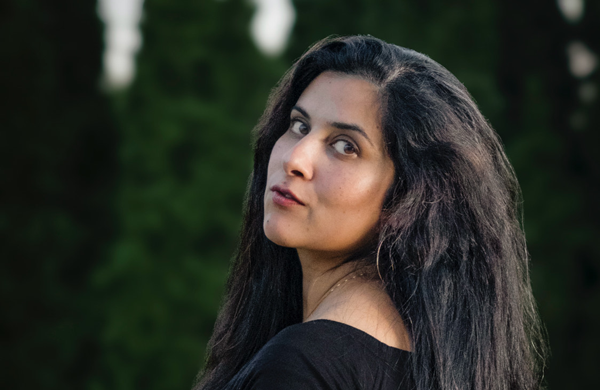
Gissele: Hello, and welcome to the Love and Compassion Podcast with Gissele. We believe that love and compassion have the power to heal our lives and our world. Don’t forget to like and subscribe for more amazing content. Today we’re talking with Rashi Nayar, and she’s on a mission to shift humanity from lower states of consciousness to higher states of consciousness.
Gissele: I’m so, so excited to talk to her today. We’re gonna have a great conversation and she’s gonna do a practice with me. Maybe you can tag along as well. So welcome Rashi. Hi
Gissele: Rashi.
Rashi: Hi Gissele.
Rashi: I’m so honored to be here with you.
Gissele: Oh, thank you so much for being on the show. I’m really looking forward to it.
Gissele: What led you to be on this mission to increase the consciousness of humanity?
Rashi: My own path to increasing my own consciousness, you know, to operate from higher states of consciousness, which is peace, joy, and love. You know, these are actually who we are and we explore that more as we go along.
Rashi: But I was very depressed for 18 years of my life, you know, since [00:01:00] 2007 when I lost my dog and in a car accident. And that was the first time I had experienced unconditional love that way, you know, someone loved me for who I am, not for, I had to prove myself or I had to perform. I had to be someone.
Rashi: I could just be whatever. And he loved me that way, right? And it’s very beautiful to get that type of love from someone in that way. And when I lost him, he was only two years old and he met with a car accident and he died in my arms. But that was like it was like an opening. And it was like my heart broke for the very first time.
Rashi: I had never experienced something like that before and I was grieving, but that was the first time I started asking questions like, who am I? Why am I here? What’s our true purpose? What is God? What is enlightenment? You know, all of that. Because what my soul was longing for was to connect back to that unconditional love that I had experienced from him.
Rashi: But I didn’t know, [00:02:00] I was always looking outside, you know, outside myself. And I entered toxic relationships because I thought that other people were gonna give that to me. I was very disappointed and I was very depressed. I wasn’t chronically depressed. I was depressed, but I was also living in a low, low grade anxiety for a very, like, very long time until 2025.
Rashi: This year when I lost another family member, I lost my aunt to ms. So that episode really shook me to the core and it forced me to sit in stillness with just with myself. Like no more reading books, no more going outwards, right? Because that’s what I always did. I would go to a spiritual retreat.
Rashi: I would, you know, go outwards, read books, do therapies, you know, do coaching. I did a lot of work, technically a lot of healing work, and maybe that was required, but. Nothing really significantly changed. You know, I was still the same. I was [00:03:00] still living with low grade anxiety and I was still the same. And but this time I went inwards and I connected with the part of myself that is infinite, that is peaceful, that is love.
Rashi: And I realized that everything that I thought about myself or the identity that was caring was actually not who I truly was or not, or not who I am. The identities or the masks that I was wearing, you know, the mom, the entrepreneur, and the aunt and the friend, all of those were really masks and identities that I was carrying.
Rashi: But who I truly am, my most authentic self is actually free already. She’s already free. And it’s not even a, she, I wouldn’t even, we cannot really label, right? It’s, it’s. The vast infinite being that we are is inherently peaceful. Is [00:04:00] inherently open. Infinitely joyful. Infinitely blissful and loving.
Rashi: Compassionate. That peaceful, that’s who we are inherently. And I, stayed in that high, right? Let’s just say I was in those higher states of consciousness for three days straight and I was floating.
Gissele: Mm-hmm.
Rashi: Yeah. I was so high. But then came the day I went down, the anxiety was back again, and I was like, wait, I thought I was enlightened.
Gissele: I did it. What happened?
Rashi: But that is what what’s supposed to happen, because now. I could see the contrast, right? I had experienced something so profound, and now there’s the contrast or the lower states of consciousness, which is fear, anxiety, lack. I was back, I was back in the fully humanness, you know, the human part of me, but [00:05:00] now my aunts, so she passed away and three days later she, she was in my head, she kept telling me, Rashi, love yourself.
Rashi: Rashi, love yourself rash. It’s like, it was constant. And I realized that I didn’t love the parts of me that were so-called dark or negative. I was trying to get rid of anxiety. I was trying to get rid of the darkness, right? I was trying to resist whatever I was experiencing in the moment, and that was profound because now my only job is to love myself unconditionally.
Rashi: In all parts of myself, the shadows they call it in the psychology. But I realized that the parts that I’m trying to get rid of, the anxiety, the so-called depression, the low level depression that I was constantly feeling the numbness or the sometimes of sometimes just sadness, [00:06:00] like it would just come up.
Rashi: What if I fell in love with those parts of myself? Then what would happen? And that became the journey that became the practice. And when I did that, I no longer resisted those. So it was just the experience and me in love with whatever what is right, whatever the experience is. And now I’m whole, now I’m not broken, you know, there’s some, nothing’s wrong with me.
Rashi: You know, and that was the narrative that I lived with for 18 years. If something is wrong with me, I need to be fixed. I need the healing, I need the therapy. But really there is nothing inherently is wrong with me. We all experienced this human side of things and what if I fell in love with the humanness,
Rashi: And that’s why the being that I experienced, so in those three days when I experienced the so-called enlightenment or the awakening, it was when I touched my being. And our being is inherently free. We who we are, our [00:07:00] authenticity, we are inherently free. We are peaceful. And yet the human side of things or you know, how we grow up, our conditioning, our identity, our beliefs that we carry, all of that is there.
Rashi: And that is the conditioning. So the constructed itself or the human is still there, but we cannot try to get rid of it. It’s like, you know, the snake leaves its skin. By its own. We cannot force the skin. We cannot rip the skin out of the snake, you know? So it’s going to happen only when we fully and completely fall in love with who we are in the humanness.
Rashi: And that brings me back to that connection, to that love, to that peace that resides within all of us. So that’s in a nutshell, that that’s the story. That’s why I do what I do.
Gissele: beautifully said. First I wanna go back to the, the loss of your dog as a person who had a dog.
Gissele: Never wanted a dog to be honest, but we got one for a family and felt completely in love with the dog. And after [00:08:00] 13 years to have lost him. And I realize now that he had to go the way that he did. But he did teach me about unconditional love and patience and forgiveness and joy. And so the grief that you experience after having that can feel very overwhelming. And so where I was going with this question is, the human experience can feel so real, I have sat with some really difficult emotions it’s almost as if your mind tells you that something’s gonna happen something bad or you’re gonna die.
Gissele: What do you say to people that say, you know, This is all we are because this is what we can concretely see and touch and experience. How do you go from that to understanding and embodying the fact that we are more than this reality?
Rashi: Yes. Oh, that’s such an important question. Something that I live with almost every day.
Rashi: You know, there’s this low grade anxiety that I still experience on a daily basis. [00:09:00] The only thing that’s different is I’m no longer resisting it.
Gissele: Hmm.
Rashi: So, you know, and we human beings, we are either, we’re only living in two A states at all time. We’re either to attach to the state that we want, which has happiness, joy, love, bliss, or we are resisting the lower states of consciousness, which is anxiety.
Rashi: We’re really in, in these two states or all times. So it’s like when we get that love from the dog or the baby, you know, I have two babies, two little girls. And I’m like, I want it all the time. Right. So now there’s attachment, because if she says something like, I have a 4-year-old, which is a, she’s a very mischievous toddler.
Rashi: Right. When you say something that can feel like hurtful. I mean, I don’t take her things seriously because I know better, but
Gissele: yeah,
Rashi: for someone else it could feel like, what, what would just happen? Like we were in love and now, or the, the spouse says something, right? Like, I have my husband who really triggers me, so he’s, he’s like my [00:10:00] best enemy, right?
Rashi: Like he’s my favorite person, so mm-hmm. He says some things that can feel hurtful, and in the beginning it really used to bother me because I would resist those things. I would resist the experience of whatever’s happening in the moment, right? But now I lean into it, and that’s the difference when we are getting this anxiety or when we are getting something and the experience doesn’t feel pleasant.
Rashi: The mind itself because the mind is like that. Mind wants to go navigate towards pleasure and it wants to avoid pain. That’s how the mind is, right?
Gissele: Mm-hmm.
Rashi: But we are not the mind though. So in the moment, if we can witness the mind’s neuros, whatever it does is like trying to resist. What we do is we say, first I love you mind.
Rashi: Because the thing is the mind in itself is what it’s doing. It’s movement what it’s supposed to be doing. [00:11:00] And the second thing is, I love you, anxiety and that love it. It’s the experience that feels heavy, that feels not good, right? And that experience now is infused with love. So there’s no longer a problem with what is, with the experience itself.
Rashi: And there’s a beautiful book written by Byron Kitty and her, the name of the book is Loving What Is, and apparently, you know, she’s enlightened, you know, every like, so she’s the enlightened being, right? We can talk in that way. I’m not enlightened for sure, but that’s what she meant. I didn’t understand it back then.
Rashi: But this is what she means is whatever our experience is, if we are not attaching ourself to it, which means we are not craving more of that, or we are not resisting that, [00:12:00] then we have no problem with the experience. So the experience in itself is not a problem, Gissele. It’s our relationship with the experience that’s the problem.
Rashi: So the anxiety in itself is not a problem. It’s how I relate to anxiety, how I see it. That in itself is the issue here. So if we’re like, okay, anxiety is here, can I love it? Can I lean into it? And when I do, and it can feel scary because some people might think that if I lean into that, that means it’s gonna expand, it’s gonna grow more.
Rashi: Right? That’s sometimes where the belief is, and I definitely have that, but it’s actually what happens is the other way that anxiety or that bubble becomes love. And you know, there’s a great saint in India, I really, really respect him. He’s no longer in body and that’s, I always keep this picture over here.
Rashi: Mm-hmm. [00:13:00] His name is named Carol Baba, and he was apparently he’s the same behind Apple. You know, Steve Jobs went to his temple.
Rashi: I love him. I’ve never met him, but somehow I love him.
Rashi: And, you know, love has no logic.
Gissele: And it has no boundary either. It doesn’t, it doesn’t mean that you can’t love somebody who’s passing. And I think that’s the difficulty perception about, we think that when somebody crosses over that the love ends. I still love my dog bear and I still think about him.
Gissele: I think about caressing him. I think about, I talk to him. But anyways, go on.
Rashi: Yes, you’re right. Exactly. So, because love is unconditional and love is who we are. Mm-hmm. Which I’m going to take you back to so you can experience it yourself. But he used to say that suffering brings us closer to God.
Rashi: Mm. And God is love. And so suffering, meaning anxiety, pain, whatever, chronic pain. I mean, people who are his devotees and people who have written books about him, they [00:14:00] said that, I’m so glad that there’s this pain in my life because it helps me take back to him love or God. And that’s exactly what we’re doing here, is we are saying, whatever comes to our experience, I love you.
Rashi: Anxiety, I love you. Guilt, depression, grief, It can feel really hard in that moment, but that is the portal, the bridge between the lower states of consciousness, which is anxiety, fear, all of that to higher states of consciousness, which is love, peace, joy, abundance, that love and saying it mentally in the beginning it could feel like a mental repetition.
Rashi: Everything is like, and then you’re like, I love you. I honor you. Even if you’re here, I love myself and I love, I mean, that’s loving kindness. The practice of loving kindness meta in Buddhism is loving ourselves and then loving people in our lives and loving [00:15:00] what is, you know, so that’s a tool that if people can use then, you know, I would love to hear how their life transforms.
Gissele: Hmm. Yeah. it’s definitely something that I use myself and what I realized was that the more love I had in my heart for myself, the more it overflowed to other people. Like I didn’t need them to be different. I didn’t need them to change ’cause I didn’t need them to give me anything.
Gissele: I really resonated with what you’re talking about, resistance. I noticed that one thing about myself is when I encountered the most resistance to what was happening, my inability to accept and surrender, had to do with my belief that if I surrendered, I was giving up.
Gissele: That was accepting. What is that? it’s like saying that there was no hope or no chance
Rashi: Mm-hmm.
Gissele: I didn’t realize that the deeper thinking behind my resistance had to do with that. This has power over me, so if I give into it, it’ll take me, it’ll do what it wants to do. Correct. And so when I let go of that story [00:16:00] and allowed myself to surrender, there was a level of peace, but it was hard to get there.
Gissele: I just wanna acknowledge what you’re talking about is so brilliant, but it can feel really challenging. And it doesn’t have to, but it can. Because I remember when I would ask for guidance from my higher self God source universe, the guidance that I always got was Love it. Choose it.
Gissele: And I’m like, well, I don’t wanna choose this. I don’t wanna accept this. And so, but I would lie to myself thinking that I was not in resistance, but I was in resistance. ’cause my body was so tight.
Rashi: Yeah.
Gissele: And so, it can feel difficult to let go of that resistance. And we are.
Gissele: Not really taught to surrender. we’re doers.
Rashi: I just gotta keep grinding it out and eventually this is gonna come through.
Gissele: how is that counterintuitive to allow love?
Rashi: I love that question because I was exactly what you’re describing. For 11 years of my life, I was a [00:17:00] serial entrepreneur. I’ve scaled my own businesses to seven figures plus. And I learned it from my dad.
Rashi: You know, it’s a learned behavior. You keep pushing through, you just keep doing, you know, and that’s discipline. Yeah. And consistency. Like those words feel really good. Discipline, consistency and but it didn’t feel good to my body.
Gissele: Oh,
Rashi: right. It does. It feels like, oh, it, it felt like I’m choking, but I still kept pushing through and I burned out very much.
Rashi: So that’s why, you know, I no longer do what I used to do for 11 years and it just didn’t feel aligned anymore. I wanted to open my heart. I wanted to lead from the heart. So, to answer your question, Gissele, when you say that you are the doer, I wanna take you into this is again, a constructed and identity.
Gissele: Yeah.
Rashi: Right. This is, again, something that we have [00:18:00] adopted from our environment and from our parents, maybe from our teachers, someone we really admired because they had this habit of keep going and it felt really inspiring, right? Because they accomplished so much and the narrative that we. Play in our head is if we keep doing that means, you know, we’re bring, we’re service.
Rashi: This is service to humanity and we’re serving, we’re adding value. All of that feels really good, right?
Gissele: Mm-hmm.
Rashi: And it feels like we’re in service. But the highest service, and I haven’t come to that point myself, but I get glimpses of that, is surrender. And I’ll tell you why. The highest service is surrender is because when we are surrendered, we are now the channel for God will to flow through us what God wants us.
Rashi: And that is the path of least resistance. The [00:19:00] path of least resistance is when we are, it’s not my will, it’s God’s will. The problem. The problem, we don’t have a problem. The brain has a problem. And this is, now, let’s go back to scientifically, understanding the scientifically how this works is the brain wants to solve problems because our brain is from the ancestors we lived.
Rashi: Our brain is coming from survival. You know, it, it doesn’t know how to thrive. It knows how to survive, right? And survival means keep pushing through. It means keep solving problems because there could be a line behind us and if we don’t solve problems, we are gonna die. So the brain is used to solving problems.
Rashi: So it’s not necessarily you that wants to do, it’s your brain that wants to fix the problem.
Gissele: Mm-hmm.
Rashi: So
Rashi: once you understand who you are, then you don’t relate to your brain as yourself. That, and that’s what we do, is we relate to our brain’s [00:20:00] mechanism or our mind’s workings as ourselves. We identify that that’s who I am, but that’s not who we are.
Rashi: when we realize who we are, then we are free. Then we can see the workings of the mind as the workings of the mind. And we’re like, ah, that’s what the mind wants us to do right now. But what do I wanna do? Which means I, the, which I’m gonna take you to let you experience that for yourself. So we can do that whenever you’re ready.
Gissele: Yeah, of course. I just wanted to mention a couple more things. in my life surrender has been so fundamental. Mm-hmm. It’s led to some magical things happening. But what I noticed was that on the things that mattered the most to me, or had the most limiting beliefs about surrendering is really difficult.
Gissele: Mm-hmm. I could surrender, like small things or things that I believed could happen, but the things that were bigger, that bigger than I thought I could hold in my container, I [00:21:00] had a hard time really releasing or surrendering.
Rashi: Mm-hmm.
Gissele: And so for me, the, the whole concept of surrendering has been a minute by minute step by step by step.
Gissele: I’m surrendering a little bit more. ’cause people think, well, I just surrender and then it’s. But if you have limiting beliefs around it, surrender can feel really dangerous. It can feel, it can feel unsafe. And that was one of the things that, the word that came up for me every time I tried to surrender about the different things I was surrendering about is like, this feels unsafe.
Gissele: This feels unsafe. So like you said, being able to soothe your mind in, in your emotions and saying, you’re safe. You know, we got this. Mm-hmm. we’re just taking a baby step. That, for me, has gone a long way,
Gissele: I continue to surrender more and more every single day and it feels so good to not feel like you have to carry the whole world with you. That you have God, Source, Universe helping you. And usually things turn out way better than I even anticipated. but here’s how stubborn I am [00:22:00] or this ego person is.
Gissele: That should have been enough. Like how many times does the universe have to show me, like these magical things. And I’m like, well, but not in this case.
Gissele: I wanted to ask you a couple more questions. The first one is talking about who we are. I’ve heard many people that say that we are God because everything is God source energy. We are God, we are made from that. from the same source and that God’s will is our will and our will is God’s will. And I had to kind of grapple with that.
Gissele: And the reason being is because it’s not that I think it’s like blasphemous or anything like that, is that I kind of fell into a pitfall where I thought I could force my will.
Rashi: Yeah.
Gissele: Rather than being like, what’s my genuine will? what’s my genuine identity? and if I truly believed it, I wouldn’t be resistant to anything.
Gissele: If I truly believed I was a creator of my life, of my thoughts and emotions and [00:23:00] God was working through me and I’m made up of the same juice as everything else, and I wouldn’t resist anything in my life. I would just choose something else.
Gissele: Just curious as to your thoughts about that.
Rashi: Wow. Again, this is amazing because yes, we are God, but yes, we are also humans, you know?
Gissele: Mm-hmm.
Rashi: God gave us this body, very limited body, right? I mean, where I come from, the Hindu culture, in our religion, we have flying gods.
Rashi: You know, there’s a monkey, God called Hanman. I don’t know if you’ve heard of him. He used to fly, right? And so he has completely crossed the gravity, right? He is broken all the laws. So neem, KLI, Baba, he was apparently the avatar of Numan because he could be in three different places at the same time. So people in Delhi were like Baba’s with us, but in people in Aaba, they, but Baba’s with us has that possible.
Rashi: And then there’s people in Bombay, they’re like, but Baba’s with us. How is that possible? So he completely nullified [00:24:00] the, the laws of the universe, which is laws of gravity. And he was a, people used to say that he was God, and so he had commanded or he had done a lot of, or sadana, which is a lot of the yogic practices to come to that.
Rashi: But we don’t do that. You know, we’re mothers and we live in a household, so obviously we don’t have that luxury to, you know, meditate first since morning until night. We can’t do that. Yeah. So, right. So we have to address, we have to understand that we are limited in the body sense, but we are also unlimited with our mindsets that what we can think we can create.
Rashi: So in that sense, yes, we are God, but yes, we are also a human being. So the ego in itself is not a problem. That’s what I wanted to say is ego in itself is not a problem as long as we can witness. Stay as the witness and we can witness the ego play [00:25:00] out.
Gissele: Yeah.
Rashi: Ego, meaning the constructed self. And also if we talk about the brain, the brain has a certain neurological pathway, a neural pathway that has been established and the non-dualistic teachings, the avea, they call it the spider web.
Rashi: or the veil. the Christians call it the veil, and it’s the neural pathway in the brain that has been established as our identity, our beliefs, our thoughts, our perceptions. Mm-hmm. All of who we think we are, the constructed self or the ego. We are getting away from that, you know, and I, at least I have 39 years of that to get away from that.
Rashi: To collapse that completely and to come to higher states of consciousness, which is completely a new neural pathway. Establishing that is a muscle, it’s almost like lifting weights in the gym. It takes practice. So this is a practice, and like you said, the [00:26:00] surrender is not a one, one thing. I mean,
Gissele: yeah.
Rashi: I think Ekhart Tolle he’s written about this, that the surrender just happened and he just disappeared. Right. And he became enlightened just like that, which I thought I had experienced before. But there are some beings that have experienced that, and they stayed in that bliss and that joy, I don’t know what that is to feel like for me it’s a practice and I don’t have a problem with that.
Rashi: I’ll tell you why. Because I’m able to see the constructed self and the neurosis that come with the constructed self itself for sad. You know?
Gissele: Mm-hmm.
Rashi: I wanna see it like that. I want this to unfold as it is unfolding, because then the suffering, the ego is a portal. It becomes an invitation to come back to myself every single day.
Rashi: Every single day. Now, I’m a conscious creator. I’m consciously choosing to [00:27:00] return to my original state, which is peace, which is love, which is joy, which is compassion. there’s a part of me, the ego, and I can still hear the voice be like, are you kidding? You? You not wanna be enlightened?
Rashi: Like, forget about all of this. I’m no longer chasing it. For 11 years, I did chase the enlightenment. It becomes the shiny object, right? As we are chasing the seven figures, we wanna be a millionaire. It’s the same thing with spiritual money, which is enlightenment.
Rashi: Everyone wants that. But what’s the problem with us right now? What if there is no problem with us as we are? That’s, you know what if the way you’re surrendering is the way you’re surrendering is the way you’re being, is the way you’re healing is the way you’re healing is exactly how it’s supposed to be.
Rashi: It makes you whole and complete. It’s how the creator wants to experience herself through you with all the mess. It feels very [00:28:00] messy. Yeah, but what if that’s how it is supposed to be? And that is what is like if you’re not resist surrendering, that’s perfect. No, no problem with that. So. We can have a spiritual identity as well.
Rashi: You know, spiritual people are high, right? That’s all of the identity They’re not supposed to resist, they’re supposed to surrender. That could be a contracted self as well. So what the invitation here is to just live as yourself completely and to love yourself and meet yourself for where you are.
Rashi: And I think you’re doing a great
Rashi: job at that Gissele..
Gissele: Thank you. you mentioned, spiritual people. I feel like what I chose to come here to learn was really to learn about love. Mm-hmm. Like true unconditional love and compassion. And
Gissele: I understand it. I can say to you, we must love all including those who we deem as our enemies . In fact, some of our enemies are our [00:29:00] best friends because they are helping us remember who we are.
Rashi: Okay.
Gissele: And yet there is a small part of me that still believes that some people that behave in negative ways, that are very hurtful, that they should be fought or that we should fight injustice and fight oppression.
Gissele: Even though to me that’s just another level of resistance. Right? But there’s like this little me, this little kid because of her family dynamics that still see somebody as like somebody needing that saving and other people needing to be less, selfish, And so, and that’s what I’m grappling with.
Gissele: To create a true, loving, equitable, compassionate world for all. I have to emphasize the all, it has to include those who are most hurtful. It has to include people Yeah. Who are hurting other people And so I think that’s the thing I grapple with. On the one hand, [00:30:00] I can understand that we’re not really this reality, that this is just sort of like a play.
Gissele: Right? And yet at the same time, it’s hard for me to witness the suffering of people who are, don’t believe that or are not experiencing that. And to see people suffer on a daily basis
Rashi: Yeah, exactly.
Rashi: Exactly. Very, very powerful what you just said. And I wanna ask you a question here. You said there’s a part of me. That still doesn’t really like that, you know?
Gissele: Hmm.
Rashi: There’s a part of me that doesn’t really, that’s resisting my invitation is what would happen if you really fell in love with this part of yourself that’s not loving?
Gissele: Mm-hmm.
Rashi: because then there’s freedom to really be, we include all dualities within us. We do, we are the saint and we are the [00:31:00] sinner. Because the seed of whatever the other sinner is doing is within us as well.
Rashi: It’s just, we’re not choosing to act on it. That’s all we’re doing, but the seed is there. I mean, we still get negative thoughts. I remember I used to get thoughts like hate hating other people. I would get jealous of other women or like all of that.
Rashi: Right? So apparently less than wholly less than saintly. Right. That’s who I am. What’s the problem with that? that’s the thing. If I can accept and love the parts of me that don’t feel so holy, that don’t feel so loving, then what would happen? Then I’m free.
Gissele: Hmm.
Rashi: Right. So that’s the invitation, because the thing is who you are, Gissele everything is it?
Rashi: It apparently looks like the world is happening outside of us. It looks like that. Like we have a body and the world like me. I’m happening outside of you in the Zoom room, but [00:32:00] actually I’m Happening within you. Because you are awareness who we are. We are pure awareness. let me take you back to when we are babies.
Rashi: Right? So when the baby’s born fresh out of the mother’s womb, it never says I am Rashi. No. Right? It never says I’m a girl or a boy. It doesn’t say I’m zero years old. Nothing. Right? But what it, what? It’s in a state. It’s in pure being state. Pure being, which means aware or I am.
Gissele: Hmm.
Rashi: Just this.. I’m not this or that.
Rashi: I am. And when we say this to ourself, and I would, I want to invite you, Gissele, to say this to yourself when you can even close your eyes because I really want you to experience this firsthand and even the listeners. Yeah, of course.
Rashi: Okay, so, alright, so just close your [00:33:00] eyes. Okay, so now go back to when you were a baby, and I don’t want you to go back and track your memory because you might not have a memory of being a baby, but I want you to have this as an experience, like a direct experience and directly experience yourself as just being born
Rashi: fresh.
Rashi: No thoughts, no emotions, particularly no judgements, no perceptions. It’s just this pure state of I am
Rashi: or I am aware.
Rashi: Pure awareness, pure presence, pure being.[00:34:00]
Rashi: See yourself, have a direct experience of yourself without any name, without form, without any identity. Just pure nothingness. And
Rashi: let me know when you’re there.
Gissele: Okay?
Gissele: I’m there.
Rashi: Okay. So stay as you are. This is your original nature, original state of being. Stay as you are. If any thought arrives or comes to your awareness, you can just ask it to wait outside. We’ll ask it to wait outside the zoom room for a bit and we can [00:35:00] take our thoughts later on. We can pick up our identity later on.
Rashi: You can pick up your name, beliefs, everything later on. But for now, just stay as you are. I am.
Rashi: And now I’m gonna ask you some questions about your true nature. So as you are just the state of I amness, just pure awareness, are you inherently peaceful or your inherently disturbed?
Rashi: Mm-hmm. Yes. Okay. So as you are. I am. The other question is, are you open or you’re closed.[00:36:00]
Gissele: Open.
Rashi: Mm-hmm. Open right now. Stay as you are. Just empty, empty, empty. Stay as the awareness that you are
Rashi: now as you are. The next question is, do you have an age?
Gissele: No.
Rashi: No? Okay. Hmm. Okay. Stay as you are. So if you don’t have an age, were you ever born?
Rashi: Yes.
Rashi: I want you to even bring your memories out. Take your memories outside the zoom room, keep them out, and just stay as you are. Come back to just pure awareness. [00:37:00] And the invitation here is to have a direct experience of who you are. So as you are, who doesn’t have an age, were you ever born? No. Mm. So if you were never born, will you ever die?
Rashi: No. Yes, exactly. And stay as you are. We’re going to go deeper.
Rashi: When you stay as you are direct experience,
Rashi: are you finite? Which means can you be put into a box like a body, or you are infinite and the body is also within you. Just see this, see this very clearly, and I want you to have a direct experience. Your mind might tell you something else, but that’s [00:38:00] just a thought. So I want you to have a direct experience of this.
Rashi: Stay as you are. Are you finite or you’re infinite?
Rashi: Are there any boundaries
Rashi: between you and the experience
Rashi: as you are?
Rashi: No. No. Right.
Rashi: Hmm.
Rashi: Are you naturally accepting as you are or you are naturally in resistance,
Gissele: naturally accepting?
Rashi: Hmm, yes.
Rashi: As you are? [00:39:00] Is there a problem?
Gissele: No. There are no problems.
Rashi: There are no problems. So as you are, are you whole and complete
Rashi: or do you need anything to complete you?
Gissele: No.
Rashi: Hmm. Okay. So whatever you just said, and I have coached so many people around this, I have taken so many people into this experience. Everyone had the same answer as you. So who we are is this infinite being that is inherently peaceful, that is inherently [00:40:00] infinite eternal, which means doesn’t die, was never born, and has no problems, is naturally accepting, doesn’t need anyone to complete her.
Rashi: This whole is peaceful, accepting, loving. That’s a natural state of being,
Rashi: and that makes us one,
Rashi: that’s who the other person is as well.
Rashi: And if you stay as you are, there’s a last question I wanna ask you come back to. I am. Do you even need God to fulfill you here as you are? [00:41:00]
Gissele: No
Rashi: Mm. So you need no one to complete you because in itself you are inherently complete.
Rashi: So just now we’re gonna come out of the experience and you can just take your time just. Maybe rub your hands and slowly, when you’re ready, you can open your eyes.
Gissele: Hmm. It’s interesting ’cause when I was in this class, I had an experience where I went into meditation and went into that same void and it was like nothing I’d ever experienced. I don’t think I’ve ever shared this in this podcast. It was like, I wasn’t my body. I wasn’t anybody. and I had pretty bad anxiety in those times.
Gissele: And I didn’t have anything. I didn’t have anxiety, I didn’t have anything. But I didn’t wanna return. And so I guess whoever was leading the class had to kind of bring me back and [00:42:00] then and that was really skeptical in those moments. And so I thought, well, maybe this is my imagination until I got home.
Gissele: And, and the babysitter kept saying that my daughter was hysterical. ’cause she kept saying, mommy isn’t coming back. She isn’t coming back.
Rashi: Oh.
Gissele: And
Gissele: so, yeah. So that, that was interesting. And so I thought to myself, well, I don’t ever wanna go that deeply into anything so that I don’t like the choice not to come back.
Gissele: But and so I’ve been trying to go to that void. But it was surprisingly easy I think what helped me was really, like you said, keep your thoughts at the door, And that was helpful. It was surprising how much I could just not think of something. Mm-hmm. And then when I observed myself thinking something, I could just say, no, go back to the door.
Gissele: But I was also at one point wanting to not even like, listen to your questions either. I was just gonna be like, okay, I wonder if I should keep everything at the door.
Rashi: Yeah.
Gissele: But then when I let your questions in sometimes, then I would move to something else. Then I would go to a thought, which [00:43:00] means I had to go back and go, Nope, you gotta go back to the door.
Gissele: Yeah. But I was great and, and it’s so surprisingly simple to remember. I just find that sometimes like to go back and hold onto those identities of like, oh, this is hard, or I’m getting stuck in anxiety. Yeah,
Rashi: sure.
Rashi: Yeah,
Gissele: so, I have to be really conscious of
Gissele: A story I’m telling myself about myself, right? Like, how much of a story am I telling about what identity I hold or what I think should be? And so the more I create a distance between the stories of who I think I am and who other people are, the more than I find I open myself to seeing their divinity in myself and and other people.
Gissele: But it took me a long time to figure out that the loving all wasn’t just myself and people. It was everything.
Rashi: Mm-hmm.
Gissele: It
Gissele: was, it was those things that we struggle with, all of it. Yeah. and there’s certain parts of the journey that I’m learning to love [00:44:00] more.
Gissele: like what I was talking about, seeing children suffer it’s hard to bear as a human, quote unquote.
Rashi: Yeah.
Gissele: And yet I have to remind myself that that doesn’t mean I don’t do the things that I came here to do. This is why my mission is not just to learn the love for myself, but also to share that with others, whether it be helpful for them or not, not from a place of I need you to change, but from a place of like, this could be helpful to you.
Gissele: Yeah. But it’s an interesting journey, isn’t it?
Rashi: It is. And you know, it’s hard to bear witness to the suffering of other people. That’s because we love so much.
Yeah.
Gissele: Mm-hmm.
Rashi: Right? And it is hard. But the thing is that. Sometimes we get into the trap that, you know, we are supposed to be loving people, so we should be loving everyone, right?
Gissele: Mm-hmm.
Rashi: And when someone is doing less than loving things, we are like, oh, but I’m supposed to be loving person. I mean, I have this [00:45:00] podcast called Love and Compassion. I’m like, right, yeah. But those parts of us require the most loving, you know, there are times where, and it, this has been the hardest for me because my husband, like I said, is my biggest frenemy, right?
Rashi: And he really triggers me. He shows me where I’m not free yet. So he says something and I’m not loving him in that moment, for sure.
Rashi: Yeah.
Rashi: Because he is pushing too many buttons, and I’m like, outta it. And the thing is, I have learned to love myself. Even when I’m not loving him now. There’s no resistance.
Rashi: You know? Now I can see the neurosis of him and me, and there’s no problem. So he says something and then, you know, it’s so interesting what happens recently it started happening is when I’m like, you know, alright, I love you. Even if you’re not loving towards him in that moment, there’s a shift, there’s a very subtle shift.
Rashi: It’s very [00:46:00] subtle. And now it, I’m not taking him so seriously, you know, all of this, the thing. And then he sees that I’m not taking it serious. And it’s very much in the heat of the moment, right? And he sees that, he sees presence, that I’m just quiet and I’m pouring love on myself right now. And somehow because I, the lens at which I, I’m seeing myself is changing the lens at what, how I’m seeing him as changing at the same time.
Rashi: And now his lens at how he sees me and himself changes in that moment. And then he would laugh out of nowhere and, you know, and the whole serious thing becomes a funny thing now. And that’s the interesting part, is what the highest service we can do to humanity is to love all parts of ourselves, the non holy
Rashi: parts,
Rashi: the non loving parts.
Rashi: If we can love those parts in which we like, I shouldn’t be like that. Oh, [00:47:00] actually, you know what, what? What if you love the part of you that’s being like that? Because who you are is inherently peaceful. It’s inherently loving, it’s inherently accepting. So in that moment, whatever is not accepting is the ego.
Rashi: So the invitation here is to love the ego, the constructed self. Only then we can be free. Only then we can be free to be who we are, because the ego dissolves in that. When it’s seen with the light of awareness, shines on it seen and the constructed self is. Gone in that moment and then the construct itself comes again.
Rashi: So this is a practice. Yeah. And at some point we’re like, you know, the Buddha used to say, we are like Bodhi, you know, we’re walking people home. That’s why we are here in this world is we’re not the Buddha yet. We’re not in like, because then we’re away from the Maya or the illusion, but we are part of the illusion so [00:48:00] that we can take people home together.
Rashi: We’re walking each other home. That’s what Ram does used
Rashi: to say. And yeah. I love
Gissele: that. I love that. Mm-hmm. I’m doing something called Kriya yoga. Have you heard of it?
Rashi: Kriya yoga?
Gissele: Yeah.
Rashi: With Yogananda
Gissele: with yoga, yes. Yogananda. Yeah, that’s right.
Rashi: Right.
Gissele: I just started, yeah,
Rashi: I’ve heard of it, but I’ve never done it.
Rashi: So how is that going?
Gissele: Fabulous. I just started But it’s interesting. Sometimes even very short practices have a big impact. Mm-hmm. it’s really interesting ’cause you don’t think like you’re doing anything. And to be honest, I came into it a little bit skeptical in terms of like, I’m used to meditating for two, three hours and I think you’re supposed to be doing like an ongoing, because I’m just learning it, I’m just starting with little practices.
Gissele: But the little practices have been really powerful.
Rashi: It’s the little ones that are more powerful, you know, the loving, the act of loving oneself and seeing parts [00:49:00] of us, it requires a very high level of self-awareness. You know, it’s just like we’re catching ourselves just before the ego has started to take control.
Rashi: And that practice, I feel, if we can do it in action, because we live in such a busy life, right?
Gissele: Yeah.
Rashi: It’s a luxury to even sit in meditation for so long. You know? It’s so, I mean, it’s a privilege almost like these days, I wish, sometimes I wish I could go to these 10 day, the pasta meditation retreats and just like, yeah,
Gissele: me too.
Gissele: I wanna go to India.
Rashi: Oh my God. Like, yeah.
Rashi: If we can do meditation in action, I feel that that’s more effective then, you know, going uphill or sitting in a cave and you know, because then we come in the world anyway.
Rashi: And I remember Ram Dass again used to say, if you think you’re enlightened, go and live with your family for the weekend and then come back and tell me how enlightened you are.
Gissele: I don’t wanna say it’s was easier, but you can go to a cave somewhere and I think that’s what needed to happen with certain [00:50:00] yogis in terms of helping us lift the consciousness.
Gissele: Sure. So that was what happened then. Exactly. But it is a lot harder, and I think I was reading this in Yogananda’s book, the, the path of the householder is much more difficult. ’cause you, you talked about the war within ourselves, there’s so many families that are in, like, they’re not talking to one another.
Gissele: There’s so much conflict within Of course we have wars, the world, we’re in conflict with ourselves. And even with the people closest to us, we can’t even get to that point. How do we expect there to be no wars in the
Gissele: world? right, exactly. it’s so hard to look at ourselves. At least it can feel that way, but. Being willing for me is like the beginning point. Okay. I just have to be willing. And for me, I’ve had to prioritize my time, even just to do a quick meditation,
Gissele: it’s just as important as that email I gotta send orthat lecture I gotta put together.
Rashi: and non I negotiative
Rashi: practice. Yes, exactly. Yeah. And that’s the stage, that’s the season you’re [00:51:00] in. And I mean, I really wish I could get that time to just sit in meditation, be like, you know.
Rashi: Yeah. And sometimes we just don’t get it. So.
Gissele: Yeah. And that’s okay. I
Rashi: mean,
Gissele: it’s like you said,
Gissele: the practice, the, the power of practicing in the moment I think is.
Rashi: Very powerful.
Gissele: Equally. Yeah, very powerful. Yeah.
Rashi: Yeah.
Gissele: Wow. So we’re reaching the end. I just wanted you to share where can people work with you?
Gissele: Where can people find you? Anything you wanna share with the audience?
Rashi: sure. So I, my website is called www.rashinayarwellness.com. And there’s an app that I have for people over there. It’s a free app. They can get download, it helps them return to who they are. And there’s a series of questions that can take them to just pause and reflect on.
Rashi: And then the answer comes before there’s guidance and then there’s a specific meditation. So if people can find time to access that. And then there’s different options, you know, ways people can work with me. But I really wanna get this [00:52:00] app in as many hands as possible. I’m also writing my first book, which is called Living From Your Highest Frequency, which is, you know, love, right?
Rashi: And it really talks about these lower states of. Everything that we talked about today. Yeah. And there’s tools that people can use, you know, in daily life when they don’t have time to meditate. When they don’t get that peaceful moment to themselves is to retreat within themselves on a moment to moment basis.
Gissele: Mm. I love that.
Rashi: Yeah. So go back to that piece because we are peace as we explored right now. So it’s the moment to moment returning back to who we are is what really can free us, can liberate us, and can really help us take bigger actions in this world. You know, without otherwise, some people can freeze and stay in anxiety for years and nothing’s happening.
Rashi: So if we can live with those lower states of consciousness, but have no [00:53:00] resistance to them
Gissele: mm-hmm. Then
Rashi: automatically we’re in higher states of consciousness. That acceptance in itself takes us to higher places. From there, we are doing service. We are making an impact in the world without really judging ourselves because we are our biggest inner critic.
Rashi: You know? So yeah.
Gissele: What a perfect
Gissele: way to end, because I think what you said is so, so critical, which is the minute we stop resisting something and go to acceptance, we’ve automatically shifted to something higher. Thank you so much, Rashi. You had such a great time.
Gissele: Thank you for helping me remember who I really am and helping our audience as well. Please work with Rashi. Go check out her app and check out her book when it’s available. And thank you for joining us for another episode of The Love and Compassion Podcast with Gissele