
TRANSCRIPT
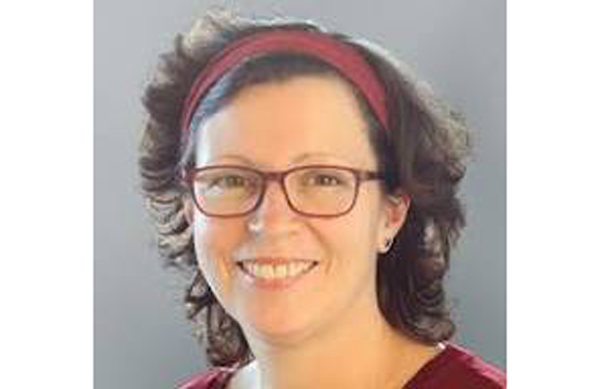
Caroline: [00:00:00] welcome to the Love and Compassion Podcast with Gissele. We believe that love and compassion have the power to heal our lives and our world. Don’t forget to like and subscribe for more amazing content. Today we’re talking about people pleasing, and I have Carolyn Jos, who is a PhD in molecular pathophysiology. She’s a researcher with vast experiencein health and wellbeing in autism. But most importantly, she’s a 47-year-old single mom of two teenagers. She’s lived through death, separation, her own son’s autism diagnosis, illness, burnout, career dreams collapsing, financial insecurity, and the feeling of being a stranger everywhere she goes. And yet people describe her as easygoing, fun to be around, always smiling, strong, and hardworking. From her own words, she says that most of her life she tried to please everyone, her husband, her parents, her employers, her colleagues, her friends, because she thought that she was a natural pleaser. [00:01:00] She said yes to everything, believing that it was helping. Underneath, she had a deep need for love, safety, and belonging. Please join me in welcoming Carolyn. Hi,
Caroline: Hi, Gissele. Thank you. Thank you for inviting me
Gissele: Yeah, for sure. I, when I heard your story, I really wanted to talk to you ’cause there were elements of the story that I really resonated with. I wanted to start by asking you, where do you think you learned that people-pleasing was the way to get more attention and love?
Caroline: That’s a good question . It’s hard to tell. I guess it was when I was pretty young. I have an older sister, she’s three years older than me, and she had some mental issues pretty early on, and it was tough for my parents, and my parents had rough times at that point too because they weren’t employed and they were struggling financially.
Caroline: So I used to hide , I used to be the one that for each of my parents would have no concerns. I was doing good at school, I was pretty easygoing [00:02:00] and I, yeah, I had no trouble at all. So I started k- I make myself a bit small and say yes to anything because I didn’t want to add to their burden already.
Gissele: So I guess that’s when it started, Yeah, and that’s often very common, right? With children when there’s one sibling that is suffering, the other one usually doesn’t want to add on to the suffering and, but also at the same time then is saying, “My needs are not as important as other siblings’ needs,” right? Which we internalize that messaging.
Gissele: We do internalize it because you don’t even realize it that you have some unmet needs. You just, you think that’s, it’s what you get, and you don’t think about it really
Gissele: Yeah, and you tend to derive value from taking care of other people’s needs, in particular your parents, right? Especially if you know that they are not coping well. But that’s not really the role of a child.
Caroline: Shouldn’t be.
Gissele: Have the emotional girth, yeah to take care of your parents’ needs when you’re just learning how to take care of your own needs, right?
Gissele: And so I think [00:03:00] that’s where difficulties arise. I wanted to
Gissele: read something that you had said to me, which is “No matter how hard I worked, I was never given the same opportunity as those who challenged, complained, or behaved poorly. I watch many of them climb the ladder effortlessly with resumes far thinner than mine, keep devoted partners while being constantly oppositional, or act like divas and still be rewarded. Kindness does not pay off.” And I think many people feel this way, that they feel that they give and give, and that when people are difficult, they’re more likely to attain. What do you think contributed to your perspective that was, that kindness doesn’t pay off?
Caroline: what comes to mind now is my career because I am in a transition and I did so I started late my studies, like at 18 years old. At 17, I left my parents’ house and started to what I wanted to do, cinema. So I went to a cinema school, and then I changed to something else, and then eventually I’ve [00:04:00] worked like for five years just like a bartender or in nightclubs or in restaurants.
Caroline: And when I wanted to go back to studies, because it was always in the back of my mind I had to go actually in Quebec because in France you can’t really stop and go back. If you can do that, it’s not in, in science at all. So I went in Quebec to start my studies and and I did pretty well considering I didn’t have any background in science before.
Caroline: And then I was performing even better, got a master, PhD. My PhD were highly productive, like more, way more than average. But then I got pregnant, and so I had to make a pause and those little pause like that, plus the weird background, that was not what you’re supposed to do when you want to be a, like a, to have a faculty position.
Caroline: It was always something that was too heavy on my resume, more than [00:05:00] all the publication and how I had, or the awards or things like that. So it felt like it, a bit unfair, because as I was trying to build a family, it’s it seems that it’s hard to make a family and actually have a, a nice career.
Caroline: So I was seeing everyone continuing on their journey, continuing to fill their resume while I was with my sons first and daughter after, taking care of them. And it’s it’s frustrating, and I’ve seen a lot after that, a lot of other PhDs that actually had some positions but with nothing in their CVs.
Caroline: But they were the, the student’s of the lab researcher. And so there, there was so many events like that, that I was like… and I was struggling to find a job. I never found a job that would actually fit my curriculum, my, my studies. It was always to take something below what I am able to do.
Caroline: Yeah, that’s, that was hard. And in terms of relationships I think it’s the same pattern [00:06:00] pretty much to see I struggle. I left my husband when I arrived in, in Mountain for many different issues. We were very good friends. It’s not it’s not a between, It’s just different personalities, but it’s not that he was awful or nothing.
Caroline: It’s just I needed a time off, but so I… And I never really found anyone so far. But I’ve seen a lot of couples that they cannot. It looks like they hate each other, but they stay together, and no, they don’t hate each other. They actually love each other, which is beautiful.
Caroline: But they… I, sometimes I don’t know how he or she is doing that. How can you hold that? As everybody’s, they are always fighting or… But it’s still love. It’s just a different way of communicating it,
Gissele: So I wanted to talk about what you had mentioned about the gap in the resumes because it’s so real. It’s almost like you’re punished for taking a break from your
Gissele: career. There are some people that can’t, that don’t take breaks between their career, but if you’re a mother that, that can be [00:07:00] difficult. If you’re out of the system for a while, like for example, if you tried self-employment and then you’re coming back into employment, it’s hard to justify the tran- it’s almost like you have to justify the transition. You might just want something different. You wanted to try something else, and then you’re decided to come back into the workplace. But I don’t know if it’s that we believe that it’s a negative thing and therefore that’s the experience, but I know exactly what you’re
Gissele: talking about in terms of gaps in terms of the resume. And the other thing I wanted to mention was, longevity isn’t necessarily a mark of a good relationship. Just because you’re in a relationship a long time doesn’t necessarily mean it’s a good relationship. I think relationships are changing as the, as we’re realizing more and more, as we become more authentically ourselves, as we realize more and more what we wanted, I think our- the perspective on marriage is changing.
Gissele: Think about it. Like I got married when I was 27, right? And so the 27 me is very different than the
Gissele: [00:08:00] me that is here now, right? And so we don’t make decisions for for the rest of your life, so you constantly, you and your partner have to constantly keep
Gissele: working on it. You have to be changing.
Gissele: You have to be keep, making the same commitment, making the same choice, right? To s- to stick together, to grow together because you’re not the same person that you were when you were 27. And so the whole belief that if it didn’t last long, it didn’t work isn’t necessarily true. It’s just people change and they grow, and so I think people are starting to understand that marriage is a constant commitment, and the reasons we marry are different than they used to be
Gissele: as
Caroline: That’s true
Gissele: Because we used to marry for, economic security, and especially women. And now women have way more options, which is why you’re seeing a big decline in marriage, right? I wa- I also wanted to go back to, so you survived a rare aggressive type of cancer and it [00:09:00] was like a harbinger.
Gissele: It was like a ringing bell to let you know that- You were living a life that wasn’t meant to be yours. And so you decided that there was no more forced compliance, no more accepting less than I deserved. And so you began to align your actions with your core values, which meant saying no. For a, surviving or overcoming people pleaser, how was the process of saying no? What was it like in the beginning, and what are some of the things you found as you started to say no?
Caroline: And I actually am realizing that maybe I started to say no when I got separated from my husband just a few years before that. S- say no, it’s it’s isolating at the beginning at least. Because y- you want to avoid to say no. You don’t want to do everything that people wants you to do necessarily or…
Caroline: But that’s, there’s the first step of avoidance, avoiding any questions so you don’t have to say no. And then it’s just y- I have a lot of [00:10:00] very, very good friends, I’m very blessed for that. And so I know that I don’t even have to tell them I don’t want to do that. They k-
Caroline: they guess, I think.
Caroline: But it’s more in the workplace that I started to say that’s not why you hired me. We had this arrangement, so I’m, I don’t see the value of doing what you’re asking me, because it’s a waste of time for me and a waste of money for you, so just use my friends instead.” And that didn’t go well at all.
Caroline: So it, it’s still something I’m learning to do, but I need to do it maybe differently. Unless I just get self-employed and stop being in the workplace with bosses and all that. I guess it’s probably the best option for me, and I do need my freedom. So yeah.
Gissele: Yeah it, so it can be challenging, first of all, for the people in our lives when you start saying no if they’re used to you
Gissele: saying yes, [00:11:00] right? To, for you to say no, you’re changing the rules of the game. Hey, wait a minute, you’re the people pleaser. You’re supposed to please me. Now you’re changing.
Gissele: You’re flipping the script, right? So that, it can be difficult for people in your life. What you mentioned about the workplace, it’s so interesting because people of my generation were taught that you don’t say no. They were taught that it’s such an honor, and you’re so valued if you just add more work or are given different tasks without any additional pay. It’s you’re looked highly on. And but now we’re living in a time where that’s no longer acceptable, where people have some people need two, three jobs. No, you’re not gonna be doing unpaid labor. No, you’re not gonna go just for a value-based compensation, like a pat on the back. No, that doesn’t work anymore. And so people re- need real money, like real compensation value to be able to pay their bills and be able to get food and all of those things that they need for their family, but saying no in the workplace is you’re seen as difficult, not collaborative. [00:12:00] But organizational leaders and managers say no all the
Gissele: time,
Caroline: that’s the thing. And I don’t know if it’s my ADHD brain or but I have some issues with the, those unbalanced decision powers. And I did not say no per se. I was trying to say, “Okay, maybe it’s not the best use of my time and then your money, because I would be way more efficient and make way more progress on on this field, which is the thing we agreed on.
Caroline: And maybe this could be done by someone, like a coordinator or someone that is already there, that is already doing this type of work.” But yeah that, that didn’t go through already. So it’s not really blocking any discussion or, and saying no like loud and clear. It was more like trying to negotiate, which I was never doing before.
Caroline: I was just saying, “Okay, yeah, sure. We’ll do that.” Now I negotiate, but it’s still super [00:13:00] complicated. I guess it depends the hierarchy level of the person you’re talking to. It depends also on the personalities you have in front of you. And being seen as someone that will always say yes anyway makes you the, the, the person to go to for anything and everything.
Caroline: So when you change that dy- dynamic people are like, “Oh, wait a minute. That’s not fun anymore. Maybe we don’t need you anymore.” Yeah
Gissele: Yeah. And you mean you mentioned that the changing the rules of the game in terms of them, they hired you for a specific purpose, but now they wanna give you a different purpose that may not be what you were
Gissele: looking for.
Gissele: So when you started saying no, you said, “No, I won’t do what you’re asking because I deserve better. No, I won’t agree with something that is unfair. No, you won’t define my worth.” That was basically you negotiating your worth, right? A no to someone else is a yes to you. However, experienced being fired,
Gissele: right? No notice, no explanation. How did that feel after [00:14:00] you… What you, ’cause what you were trying to do is reaffirm your worth, right? What was the impact of that firing
Caroline: That was very difficult because then y- eventually you feel worthless. You feel, okay if it’s not my strengths and my expertise, my skills that they want, if that is not worth anything for them, then what can I bring? Pretty much, I can bring a lot of things, but not to the level that I could work on my specific field or ex- with my specific expertise.
Caroline: So it, it really just denied the importance of the work I’m doing, which is research on the health of autistics. And at the same time it was very hard for my sense of self and like a, a big hit on my dignity. I was felt betrayed ’cause I trusted, the, this workplace and, yeah, just like you’re being swept out because you don’t have any value for us if [00:15:00] you change, if you’re more, affirming.
Caroline: It was really hard. And it’s still a little bit, but getting over it. But it’s, it was disappearing pretty much. And I always feel that in my life to feel invisible. But with that, being fired is something heavy. I’ve never experienced that in my life. I’ve always has too much work, and as I can’t say no, most of the time in my life I had one, two, three, four, four jobs at the same time because people…
Caroline: I never had to search for a job even, people were coming to me, “Hey, would you like to do this?” And being out like that, s- that is a very strange feeling, very painful feeling.
Gissele: thank you for sharing that. As a person who related to your experience, I know that I derive my personal value from my performance, right? So I, I was like you, I’m highly educated and having, a sense of worth, a sense of either a job or a profession that was successful [00:16:00] really gave me that sense of worth.
Gissele: So if you don’t have that, then what do you
Gissele: have, right? in this society, we value ourselves by how much we can do, what we do for others, what our careers are, how successful we are, how much money we have. All of these are markers that we’ve given ourselves as proxies that we’re
Gissele: worthy. But in the absence of those, are we still lovable? And we are, absolutely. But you lose your footing for a little bit, right?
Caroline: yes, definitely
Gissele: Yeah. And it makes it difficult. For me, it wasn’t so much… it was about changing careers and not seeing the success that I thought I
Gissele: would have, right? And so for years and years having that financial insecurity and not seeing the uptake that I thought I would take because I’m doing something that is my passion, right?
Gissele: And so I’m following my higher guidance, I’m following my passion, and I’m not seeing any results. And in fact, there’s a lot of financial instability, [00:17:00] like you mentioned. And so to see that, it really eroded my own self-worth. It really did. Because I thought, ” What if this isn’t gonna work?
Gissele: Have I put my family at risk?” Like, all of these questions I had and it made me really doubt myself, and I was always a very confident person in terms of my passions and following what my heart did and doing really well. And so when, like you, you were successful in the past, when things stopped working, it makes you feel really scared.
Caroline: Very and it’s talk about confidence, and I was very confident too, like for, forever because I know I can do, not anything, but I can do a lot of things. I was always thinking that even if I lost a job or had to change a career, I could pivot and do something else, and I would be fine.
Caroline: It’s just that I learned to actually love research and I don’t want to give up, and I’m not someone that gives up [00:18:00] easily and now I have to give it up somehow because I need to I need to make a living. So I need to think about, okay, what I’m gonna do. But I want to take the time it takes though.
Caroline: I know the financial security is something that scared me the first thing that scared me actually because I didn’t want to do like my parents did, trying to give it, give up their job and start to start their own company and then they bankrupt and then we were poor under, all my childhood and after.
Caroline: So I don’t want that for my children, but I know that they have a father that is fine, that has a great position and that will always provide for them. And that’s, yeah. So I think I can take the time it takes to really look at what I want to do exactly and not jump onto the first thing because I really need money now.
Caroline: I think I can… Struggle for a while is fine, but after that I want to, stop changing. I would like to just settle. When I had my cancer with, the, the statistic were not [00:19:00] good. But I was fortunate that I was the second in, in New Brunswick to get a new treatment that works very, really well.
Caroline: So but before that the worst case scenario was two years to live and the better case scenario was 20. And 20, it’s not a lot, as I was 40. So I was seeing thing already a bit differently. It’s like, “Okay, how do I spend those 20 years?” It’s just, can I take a can I go into a career that I enjoy less but have more time for my children, for example, or to travel or to enjoy life?
Caroline: Or is it realistic given I am too, I’m too involved in my work and I love working? I’m not someone that can do nothing. There is no Sunday I will just sit in a chair. Yes, I can binge watch some, some series or documentaries like everyone, but it’s really rare. It’s more I need to build something.
Caroline: I need to create. I need to… So if I’m not happy in [00:20:00] my work then, I’m not happy in my life, and then it’s gonna impact my children too. So how can we balance all that? It’s very difficult, very complex. I don’t know how you did.
Gissele: I wanna talk about the financial insecurity part of it just because it’s so funny. My parents, like in particular my mother, grew up in poverty, and that was one of the things I never wanted to face was that financial insecurity, which is why I worked so hard for all these degrees, and then got to the point when I had left that things were financially, like we didn’t know where things, how things were gonna get paid. And so I feel like these are challenges we have to face. Like, when we have those sorts of things, we have to face those limiting beliefs. Doesn’t make it feel any more comfortable, and in fact, literally it’s, was through the grace of God that we always ended up having something somehow some way, right? Somehow things came. Things were always, have always been paid. It’s just been magical in a way in terms of [00:21:00] like- things that open up ’cause, like in the beginning of the month maybe there isn’t anything and then at the end,
Gissele: And one of the things that I noticed in my journey in, in, I don- I don’t know if this would be helpful for you, is that I got really clear on how my thoughts were contributing to my financial situation.
Gissele: And what I mean by that is, so in the beginning of my journey when I first left the workplace and decided that I was going to do this podcast, I was gonna do this business, this I have a center called Maitri Center, and now I’m working on a documentary, that I was going to give it my all and I was gonna be doing it and I did a whole bunch of things that I thought were gonna work, that I was told were gonna work, right?
Gissele: Write a book, do the, be a speaker. I did a TEDx. I have a book. All of those things that I thought were somehow gonna pay off. And on, on surface they didn’t. And and I remember when I would get things, like I got a, a teaching contract out of nowhere, literally, right? And rather than being grateful, I was like not [00:22:00] enough.
Gissele: Not enough to pay my bills. Not enough, Every time, even if I got $5, I’d be like, not enough,” until I got to the point where I was like, oh my God, I would’ve been so grateful for that $5. I would’ve been so grateful just to get even a little tiny contract. So how that shifted my mindset was that I became, I’ve become really grateful for every little, tiny thing.
Gissele: That doesn’t mean I don’t have days off when I’m like, “Oh my God, I don’t know,” everybody does. But I go back to that gratitude of every little, tiny thing. A dollar, oh my gosh, I’m so
Gissele: grateful. $5, I’m so grateful, right? Big contracts, I’m so grateful. I’m so grateful for everything. And so it made me really hyper-aware of how much I have already. Where is my abundance? Yeah, so that was the first thing. And the second thing is that the more grateful that I started to become, the more things started to come,
Gissele: which is really
Caroline: Yes, it is. Yeah. But that’s funny because I also have a, a teaching job that came from nowhere in the fall, and I have a few things [00:23:00] here and there. And and yeah, you need to change your perspective on money that’s for sure. Yeah
Gissele: I see, like people like my mother who worked all her life because she did face poverty, worked all her life to have money, like to save up and she still feels like there’s not enough, right? And I’m like if you’ve worked all of this time and you don’t feel it’s still enough,” like that’s… Like at what point, what does it take for you to feel financially
Gissele: secure, right? And I think that comes from within,
Caroline: Yes, it is. No, I, and from the bills you have to pay every month, but yes, for sure. Yeah.
Gissele: Yeah.
Gissele: But I even became grateful for those too. Grateful that I have the money to put something down,
Gissele: grateful that means that I’ve spent something, right? So I do this trick now that I’ve saw from other people, I didn’t invent this, that when you- whenever you pay or you use a credit card or you pay a bill, you’re like s- you’re, you are grateful for the money coming out, and you know that m- the money is gonna come back in.
Gissele: So as you see it, you’re like, “Oh,” I s- I’m welcoming the money that is going to be coming back to me from this. [00:24:00] And and I, again, I do find that, sometimes big things, sometimes small
Gissele: things, right? Like you start… I start getting a whole bunch of book sales, right? Out of nowhere. I start just getting checks.
Gissele: So it’s like, “Oh, that’s so
Gissele: cool.” So just being aware of the, the gratitude and how magnetizing it can
Caroline: Right. My, Remember when and I… It didn’t happen that very often that my salary was high enough that I had to pay actually tax. You pay taxes on your pay, on my, on your salary. But at the end of the year when you have to pay this extra chunk there, I was happy. I was like, “Yes, that’s… I’m helping others now.
Caroline: That’s that’s amazing.” So everyone around me was, “You’re crazy. What? You’re happy to pay taxes? That’s weird.” But that’s important. And I remember my, my father, because they didn’t have a lot of money, but if there was… for example, I was I remember…
Caroline: I don’t know why it popped in my head, but I was working, I was probably 18 or 19, maybe 20 in a mountain [00:25:00] for the winter. And I don’t remember what happened, but I didn’t feel very good. I was not depressed, but there was something triggering. And my parents I called them and he said, and I had no money because I couldn’t find a job I think maybe. And I didn’t have much money. I had 20, it was euros maybe at that time, in my pocket. That’s all. And he told me, “Go out. Go have a drink. Go out. Have fun.” I said it’s not reallyreasonable.
Caroline: And he said, “You know what? Your mental health costs way more than anything else. So just go have fun. And when you feel, when you look happier, job will come.” And eventually that’s of course what happened. Yeah.
Gissele: Yeah. Isn’t it so funny the power of that letting
Gissele: go? The more you grasp onto stuff, the more you grasp you apply to 80 jobs and, you just grasp. And the minute that you let go, it’s almost you become like an open channel to the flow, that they… it does come, and it does come from that place of joy.
Gissele: It does
Gissele: come from that place of openness, of And it doesn’t mean you’ll have to, like [00:26:00] spend the whole
Gissele: $80, right? You could just go, get an ice cream, and if it makes you feel good or just go get out of the house. Just go to a boardwalk and just walk around near the water.
Gissele: Anything that gives you that sense of, peace and relaxation. ‘Cause you can get bogged down by this mentally, right? You feel like there’s so many things going for you, and I can imagine just based on your journey, as you had mentioned, you lived through death, separation, your son’s autism, illness, burnout. You feel like like you overcome one thing, and then there’s another thing, and then there’s another thing,
Gissele: and you’re like, “What the hell?” At what point is this gonna… but you also become incredibly resilient, right? So what have all of these challenges taught you about resiliency?
Caroline: Resiliency. That’s a word that I never quite grasped. At the very first I thought it was meaning you’re resilient, you’re difficult or I don’t know. But it was not the right meaning. And then I heard, no, it’s because you have the courage. You learn from going over something difficult and you’re stronger.
Caroline: And I said, “Yeah, [00:27:00] no I’m actually weaker.” Each time there is something big like that, I’m… it’s painful. What I’ve… I’m in a survival mode really. So resiliency, it’s not a word that really resonate with me, and I don’t want to ask people to be more resilient or… this is… That is a strange concept to me.
Caroline: But it’s just that it’s the learning. if I’ve been through that, I can go through that, so that’s for sure. But it’s more about what I’m showing to others around, that definitely if they see me go through everything. My mother died when I had my cancer treatment, so couldn’t go to her funerals.
Caroline: And that… So there are things that accumulates like that in short periods of time that are so hard that eventually you go blank. It’s like, “Okay, don’t think about anything else. Do your treatment, survive. You’ll deal with that later.” Because it’s too much. It’s so hard that it’s too much that you can’t feel it anymore.
Caroline: So you don’t feel the grief, And you just push through. So it depends on the level of pain. The, I think the [00:28:00] resiliency is even more potent when the struggle is re- really hard. When it, everything adds and adds, and then that’s the push you have to go over everything.
Caroline: But when it’s sometimes one, let’s say the separation that was difficult for the family, for the children and and it was painful, but that’s when I couldn’t continue my postdoc ’cause my father died or something like that. That again, this addition make me do the steps forward and say, “Okay, now you need to move and you need to do something.
Caroline: You need to make a move to get, ooh, out of the water.” That’s that’s how I see things. Yeah. So it’s not like a
Caroline: it’s really more like a, a step resilience building.
Gissele: Yeah, a very
Caroline: Yeah.
Gissele: step ladder, yeah. Yeah. And you mentioned the word courage, right? It gives you the courage to keep going because I think in life we need courage, right? Sometimes it can feel difficult to face something. And so courage is a s- a great word. I… And since [00:29:00] we’re talking about values, one of the questions you had asked was, what did you risk for, right?
Gissele: Integrity, equity, compassion and understanding. Like, all… you felt like you had risked all your values. Do you still feel that way now?
Caroline: No, I feel they are holding me because it’s it eventually becomes much easier to live by your values than to live against them. So now I embrace them and I think that I’m planning for different things in the short-term and long-term future. But I think if I keep close to those values, I’ll be happy whatever I’m doing, whatever the salary it brings, because it’s not contradicting with who I am.
Caroline: So i- it’s really, yeah it’s an interesting period. But no, I need to stand by them because if it’s not for me, it’s for me of course, because it’s I need that and it’s gonna be, probably make me happy, but it’s also for the others. I think that still fighting for the others for s- social justice and all that, it’s part of me.
Caroline: And [00:30:00] seeing that I can help people is also making me happy. But it’s not anymore just pleasing people. It’s really solving some issues. So it’s not like before.
Gissele: Yeah, for sure. Yeah. A- and I know in, in my own journey in terms of, overcoming whether it be financial situations or my own sort of like issues of self-worth it really has taught me that, like happiness, peace, joy, that love for myself really is an inside job, that it really i- is not to be dependent on any of those external measures that it really has to come from within, and then thinking about how do I cultivate that from within myself.
Caroline: I’m not quite there yet
Gissele: Yeah, and you know what? It’s… Everybody’s journey is different and that’s why I wanted to have this conversation because there are people right now where their journey isn’t quite there, and that is okay. Allowing yourself to be where you are and allowing yourself to feel all those difficult feelings.
Gissele: We so often [00:31:00] wanna run away from them. We don’t want them to exist, but we all have difficult
Gissele: feelings. We all have… feel overwhelmed or scared or afraid, and it’s not about making it go away. I know for me, the way I treat fear now is more like a friend. I’m like, “Okay, what are you trying to
Gissele: tell me? What is it that you’re really worried about?” Because it enables me to soothe that little s- version of myself, right? Yeah. Go ahead.
Caroline: Okay. No, I was, So that reminded me when about self-worth. So when I had my cancer, and I really… I was pretty much sure that I had 15, 10 to 15 years to live. And and also because my, both my parents died at 64, so I… And they were not having as this type of health issue, so they had some, but so I was sure I was to die before that.
Caroline: And that was hard for my children, of course, because all the cancers in my family, they all died pretty fast with it. So We didn’t [00:32:00] have tons of hope and I didn’t want to make them suffer because I saw my niece and nephew really suffer from the cancer of their father. And so I was… I wanted to give up.
Caroline: I was like, “No, I’m not letting my children for months, for years struggling to see me, like, degrading and being my caregivers,” because they’re gonna take that role even if I don’t want it. That’s… They were starting to say, “No, I’m not going to school. I’m gonna stay with you, take care of you. I’m gonna bring you food.
Caroline: I’m gonna…” And I’m like, “No that’s not what I want.” They are at the age where it’s gonna impact them too much. And so I s- I was like, “Okay, I’d ra- I’d rather die. I’d rather die than make them suffer.” And I made my psychologist cry, which is strange. And I was okay with that. I was in peace with that.
Caroline: But one friend, really showed me the value I had in their life, ’cause I said that’s doesn’t matter. My children have their father, my [00:33:00] friends have their life. Every- everything is fine. I don’t have parents anymore. My sister, she has her children and…” But no they show me that actually I mattered in their life.
Caroline: I did something. And I’ve never considered that myself. That’s true that e- each of my friends are adding something in my life, and I’ve never seen that before this. You’re here, but you have little pieces everywhere that builds the different families because you’re the godmother of this child, and so that’s important for them, and you’re the joker in this family when you hang o- out with them, and that’s important to them.
Caroline: So see that’s how I… It’s still seeing the value from another perspective, but it really helped me to say, “Okay, let’s… You know what? I’m gonna fight this. I’m gonna get over this. I don’t want to leave them.” They love me, so that’s amazing.
Gissele: Yeah. And that’s so beautiful. I think we all contribute to the
Gissele: world. We all have worth just inherent. We don’t [00:34:00] have to earn
Caroline: Right
Gissele: We don’t have to earn our own value. We h- have it because we
Gissele: exist. And I think that’s the messaging that we have not received, that we r- we… because we receive conditional love, you’re only worthy if you do something for someone or if you have some sort of role.
Gissele: But we just, we’re inherently amazing and incredible, and to be able to sh- to show that. I wanted to talk a little bit about y- the work that you’re doing in terms of volunteeringwith respect to autism. There was recently the conference. So I want you to talk a little bit about the volunteer work that you’re doing and how you’re turning this time in your life.
Gissele: You’re alchemizing it or transforming it from something that is a difficult thing to do to something that you are lovingly giving to
Gissele: others.
Caroline: Yeah. I, So that started be- with the research I was doing. And I made many friends on the way because the type of research I’m doing is really to have the first voices into the research team [00:35:00] so they can guide anything I’m doing to make sure that it’s relevant to them and not something that I want to do because it’s fun to me.
Caroline: Then that’s… There is no point in that. So having them close to this to this research over the last eight years got me engaged in in, in some volunteer work with organization. And then having no job at the moment, I said I, I will do that full time,” because there is so much need there in that community that they…
Caroline: it’s f- Even people that are s- that you th- you think would function pretty well, they have a job, they have some, some have children, and you think why do you help those? That there is more misery in this world.” But it’s just that they are still struggling. And
Caroline: And I feel I can do something because I have…
Caroline: I guess one of my strengths is to put people together and even if they don’t agree, but eventually just dialogue and stop the monologuing in both sides. So that’s what I, that’s what I want to do. [00:36:00] And I was lucky enough to be selected by the Neurodiversity Foundation from the Netherlands to be on their wisdom council two years ago, a year and a half ago.
Caroline: And from there I started to celebrate Neurodiversity Pride Day in Canada. And we started small and this year is a bit bigger with the summit, the flag hosting in Ottawa, and next year will be bigger because now I have the backup from a few politicians and that’s gonna, that’s gonna help it, of course.
Caroline: But it’s I find my new battle. It’s not a battle about myself. It’s not to prove my worth. It’s just to prove their worth. And make sure they get the support they need. And of course there is a, like something personal in there because of my two children’s diagnoses of neurodevelopmental conditions and myself.
Caroline: So there is something personal, but at least I can conciliate both my values and my career or my [00:37:00] path.
Gissele: Yeah. And the lived experience makes you the perfect
Gissele: advocate because you know from that, your own personal experience and the experience with your kids. And so I think that really helps you understand some of the conflict. And you said something that’s really key, and I don’t want you…
Gissele: I want you to really understand how important this, this thing that you’re doing is, which is helping people come together in
Caroline: Right
Gissele: There’s so much canceling, and there’s so much discourse and divisiveness. People no longer are taking the time to
Gissele: engage and be with one another and especially face-to-face. ‘Cause when you dialogue face-to-face, it has a different impact
Gissele: than when you do it online or via text. And so to come together in dialogue, even when you have opposing perspectives, is really key. And helping facilitate that, I think it’s amazing because it’s something that we so need, right now in the
Caroline: we need it.
Gissele: Yeah.
Caroline: Yeah. No, thank you. And it’s, … And I know it’s gonna [00:38:00] d- g- there are gonna be a lot of challenges in doing that but in, in all the different jobs that I’ve been doing so far that’s always been a constant, trying to engage people and to make them understand each other or just better communicate.
Caroline: Sometimes it’s just very easy, sometimes it’s very difficult. It depends of the emotions involved, but it’s always done that in anything I was doing, not just research. So yeah
Gissele: And what do you think are the biggest communication challenges, especially in the communities that you do research on or you’re supporting volunteering?
Caroline: The biggest challenge, there are a few. So in terms of miscommunication, I think it’s the different understandings of the same words. So the language is is difficult to use, especially since there are two kind of opposing models of disabilities, the medical models and the social model. And because…
Caroline: in, in its social sciences and clinical [00:39:00] sciences, they cannot use the same terms to mean two different things. So it’s just to help bring those meanings in accordance or maybe to flag it with a different word. But it’s just to re- or to translate one word to another and see if they get less in opposition, but actually they probably are more complementary, those two words.
Caroline: But it’s just to translate between, like a knowledge broker pretty much. It’s just to make sure that we talk about the same thing even if it doesn’t seem or feel like it , it is. Yeah.
Gissele: Yeah. And, as, as we’ve talked about in the past, it doesn’t have to be this or that.
Gissele: It can be this and that, right? And so the two don’t… It d- it doesn’t have to be a zero-sum game where one gains and the other one
Gissele: loses. It can be about, like, how do we coexist and live together, and what are our strengths, right? You talked about kind of how hopelessness, cognitive dissonance, and self-erasure can spread [00:40:00] faster than cancer. Can you talk a little bit about how you’re helping yourself get through not minimizing your own role considering that you’re currently between jobs?
Caroline: But I guess I… That’s why I’m doing so much volunteer work. It’s just to feel that I’m still building something. As long as I’m building something, I’m alive. And and to, to help others I think gives me this m- allows me to overcome those feelings of hopelessness because then if I give hope to s- hope to someone, means I have hope too.
Caroline: And I don’t remember the other stuff that I said, but it is really just, yeah, fighting my way through, through the difficulties and building on them
Gissele: Yeah and you had t- talked about the concept of self-erasure,
Gissele: right? As a person who felt invisible when you were younger because you kinda had to subdue your needs. You no longer need to do that but how do you show up in the world in a way that you [00:41:00] acknowledge your own worth, right?
Caroline: Yeah, I’ll okay, there you. I will still be invisible sometimes. That’s just normal. But the, the… So I did a website. So it’s just I’m doing this podcast. It’s just I was never personal when I was doing something. I was hiding the, the, the personal part of me just to be the professional, and now I’m showing up more.
Caroline: And last fall, there is a digital stories series on the Radio Canada website, and they picked me for because I was doing a video game on autism. And but the story got really personal and I was like, “Oh that’s a strange feeling to just talk about all that,” and everyone can now know things like the cancer, like…
Caroline: And that was really strange. But I think it’s makes me a bit even more authentic, and eventually it allows me to be me. So that’s really something that I’m gonna build on because if I can show, [00:42:00] okay I have doubts, I have fears, like everyone else, but let’s learn together how to build with those with those feelings and the other ones that are the more positive feelings and strength.
Caroline: So it’s really, yeah, I guess getting personal, and I think I, I like it because it, there is no hiding anymore. So that’s… I’m visible now ’cause I’m telling it all. Before that there was at least one part that was invisible. I had a lot of friends, but they were friends that would not be friends because I was showing different sides of me and hiding the others, and now act- I can just be myself, and I’m gonna still be friend with them eventually.
Caroline: And I thought that it would not be the case, but still, yeah. Because the part that they like is still there, but now they are seeing everything. It’s just,
Caroline: yeah
Gissele: And that’s so wonderful and so important because often we hide parts of ourselves that we’re worried that we’re gonna be
Gissele: rejected. But then because we hide parts of ourselves, we don’t really attract people that truly [00:43:00] wanna
Gissele: be with us, right? And so it’s a catch, catch-22. And I will just say in terms of hearing your story and hearing the things that you have overcome, and how you’re still passionate and willing to help others and willing to move things forward, and still, have the courage and the strength, and I think that’s very admirable. I think there’s many people would have give up right? Given up in any of the aspects of those journeys. But, you’re still moving forward, looking to be more authentically yourself, and also wanting to help others, too. So I think that’s very beautiful. So couple of more questions.
Gissele: The first one is I’m asking everyone on the podcast this season: what is your definition of self-love?
Caroline: No, that need to think about it. I guess self-love is just laughing at the mistakes you do and and yeah, laughing at yourself. If you can laugh at yourself and not, in, in a good way at your flaws and all that, it’s that you love yourself
Gissele: Yeah. Yeah. I really like that. Last questions. Where can people work with you if they [00:44:00] want support? Where can they find you? You mentioned a
Gissele: website. Share anything you want with the audience.
Caroline: so yeah, the website there is a contact form there. That’s probably the, the easiest, but of course LinkedIn or Facebook or but I would suggest the website and I’m gonna update it with the new collaboration potentials. So I’m gonna build some different events in the year
Caroline: the website is just http://www.carolinejose.com.
Caroline: Just,
Gissele: Oh, okay, perfect. Beautiful. That’s easy. Thank you Caroline, so much for being on the show, and thank you to everyone that tuned in for another episode of Love and Compassion Podcast with Gissele. We’ll see you soon