
TRANSCRIPT
megan: [00:00:00]
Gissele: Hello, and welcome to the Love and Compassion Podcast with Gissele.
Gissele: We believe that love and compassion have the power to heal our lives and our world. Don’t forget to like and subscribe for more amazing content.
Gissele: Today, we’re
Gissele: gonna be talking about how to become more authentically ourselves
Gissele: and how to raise authentic children.
Gissele: And our
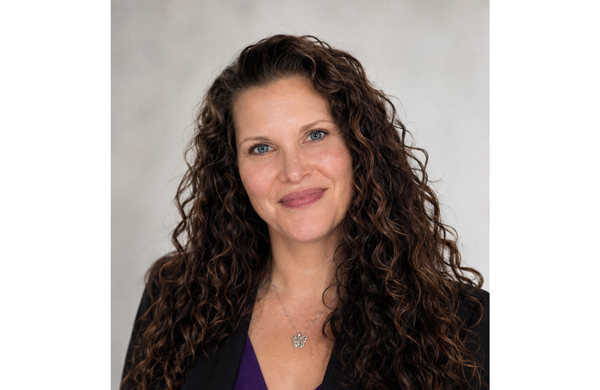
Gissele: guest today is Megan Fuccarelli,
Gissele: who’s a TEDx speaker, international bestselling author,
Gissele: and founder and CEO
Gissele: of Us Squared Consulting.
Gissele: Known as the authenticity
Gissele: amplifier, she helps leaders in organizations move beyond performative
Gissele: inclusion and into
Gissele: meaningful culture transformation.
Gissele: Through her
Gissele: care certification and metamorphosis framework, Megan empowers
Gissele: audiences to lead with authenticity,
Gissele: build trust, and create
Gissele: environments where people are seen,
Gissele: heard, welcome, and valued.
Gissele: Please join
Gissele: us in welcoming Megan. Hi, Megan.
megan: us
Gissele: Oh, I’m so excited to talk about this topic and to talk with you about [00:01:00] it. I was wondering if you could tell the audience a little bit about how you got started in this work.
[00:01:04] How Megan Got Started on This Work
megan: That is a loaded question. I will say that I originally went into my first chapter of my career was actually in the education system. I retired as a school superintendent, and what I learned in that environment was that our children are sponges for collecting everything around them, and they learn just as much from what we teach them out of books than they learn from the things we talk about and how we communicate with one another, and also what we don’t talk about.
megan: So when I left the education system, I wanted to lean into that a little bit more and have more honest, authentic conversation around who we are as people, and that’s what kind of drew me into this. It started as I was gonna own my job, maybe consulting with a couple school districts, and we just celebrated 10 years, and it has totally morphed into a much larger vision than even I could have held for myself.
megan: But I think the universe has a way of creating the [00:02:00] visions bigger than ourselves sometimes.
Gissele: Yeah. Yeah, definitely can agree with that.
Gissele: I was wondering if you could comment on whether or not the school system necessarily whether it reinforces or whether it detracts from us being authentically ourselves
[00:02:15] Do Schools Help or Hinder Authenticity?
megan: I think it depends on what school district or what school system you’re looking at. I think there are some schools who are able to model how to become more authentic, and at the same time, we have a lot of school systems who are detracting from that ability. I think it depends on who’s running the school district, who the teachers are.
megan: I think even in a very resolute school district who is very clear on guidelines that are almost detracting from that authenticity, you still have teachers who are those beacons for authenticity within their schools. So I don’t think there is an absolute that there is a school or a school system that is 100% on board with authenticity.
megan: I think as a whole we detract from that, but there are beacons of [00:03:00] excellence in all systems.
[00:03:01] Why People Shame Others for Being Authentic
Gissele: I love that ‘Cause when I think about authenticity and when I think about even my own journey , I can see how We’ve co-created this society that really doesn’t enable us to be authentically ourselves.
Gissele: It’s like, no, not like that, right?
Gissele: Everybody always says, “Oh, be yourself.” And then when we’re being ourselves, we’re like, “No, don’t. Not like that.” Don’t do that.” I was just wondering what your thoughts were.
megan: Yeah, I think one of the things that’s really interesting is we say that, like you just said, right? Come be yourself. But if we push back against someone for being themselves, oftentime it’s because there’s something that they’re doing that reminds me of something within ourselves that’s unhealed, right?
megan: So if, for example, you say, “I want you to be yourself,” and they come to you and say, “I am dating someone of the same gender,” and you’re like, “Oh, no, no, no. Don’t tell me that. That’s TMI, too much information,” oftentimes there’s something unhealed within ourselves about that. Not that your own sexuality is in question, but maybe you have unhealed [00:04:00] trauma from a family member who exposed or a friend who exposed prior.
megan: Why is that so difficult to receive? So again, I say to people, if you are pushing back against someone else’s authenticity, do a deep dive into what that’s exposing for yourself about who you are, because it has more to do with you and less to do with them if you’re not willing to receive them.
Gissele: And I think that’s the reason why people make those comments that you kind of wonder why they do. if somebody’s, showing a picture of themselves and they’re not conventionally beautiful, like somebody will be like, “Oh, you look fat,” or, “You look old.” And I always wonder, like, why would anyone take the time out to do that?
Gissele: But I think what you’re getting at is really, there’s something about them that’s being triggered that they need to go and check that person. And so yeah, I think this … You’re making a really important point.
megan: And we
Gissele: Ja
megan: right? Like, people who are larger or might not have the societally perceived beautiful body type, and they’re wearing a swimsuit or they’re wearing a dress, and people will come in with, “Well, they shouldn’t wear that,” or, “You shouldn’t wear that.”
megan: And I think [00:05:00] internally that person has heard that phrase before, and they’re like, “Well, if I heard that phrase wearing what I was wearing, then you need to hear that phrase ’cause of what you’re wearing.” And it’s just that unhealed trauma that circulates. It doesn’t have to be generational trauma within your family.
megan: It can also be societal generational trauma of hearing it over and over that you internalize it.
Gissele: Yeah, definitely.
Gissele: can you talk a little bit about how we can start to tap in and really understand what authenticity means, especially for ourselves?
[00:05:29] Receiving Authenticity
megan: Yeah. You mentioned The Authenticity Amplifier, and that’s the name that I go by in a lot of the work that I do. And it’s not about amplifying authenticity of individuals, because I think we cannot teach someone how to be authentic. What we do, though, is we help organizations and people create environments where the people they interact with can feel free to be their authentic self.
megan: So it’s about helping people receive the authenticity of others rather than helping become, helping people become more authentic in themselves. So it’s [00:06:00] about receiving that authenticity, and I think as we look at a society, especially in our current day, it’s so divided and so divisive with how we communicate with one another.
megan: It’s if someone has a different opinion or a differing viewpoint, it becomes, “Oh, I’m not going to speak with them,” or, “I’m not going to talk to them,” or, “They’re wrong and I’m right.” And if we really want to amplify authenticity, we have to be willing to listen to people who might have different viewpoints, knowing that we can learn from one another, and that the most honest sign of authenticity is whether people feel comfortable being their true self in your presence
Gissele: Yeah. I, yeah, for sure. I completely agree with that. I was wondering if you had ever gone through a journey yourself in finding your way back to authenticity. I know that I have, and I’m happy to talk about my, my journey and just fumbling through trying to be more authentically myself and what that means.
[00:06:52] Finding Her Way Back To Authenticity
megan: Yeah, and I have to say this, it is a constant journey. There are moments almost on a daily basis that I say, “Ooh, could I [00:07:00] have handled that differently?” So I must say that, yes, I have those stories of realizing when I wasn’t authentic and how I can transition or how I can pivot for the next time. And it’s an ongoing process.
megan: I would say probably one of the most poignant times was when I was interviewing for a position, I was recently divorced and pregnant. I was not showing that I was pregnant, but I was pregnant. I knew I was pregnant, and I still… I did not have a wedding ring on because I was divorced. However, I kept my wedding ring in my glove box in my car, and before I would go into interviews, I would go into the glove box, take out the ring, and slip it on my wedding finger.
megan: Because I wasn’t ready, I knew that if this position turned into my next position, I would eventually have to tell them that I was pregnant. In my head, I was worried, “Oh, wait, if I’m not married, what are the stories that they’re gonna tell themselves? Like, how are you pregnant and you’re divorced?” All of [00:08:00] those worries of how society would view me were running through my head, and I remember that I would slip on my wedding ring, and I would always feel some kinda way doing that.
megan: Am I living a lie? Am I not telling my truth? Am I not being my authentic self? And I knew the answer to that, and there was also something in my head saying, “But I really want this job.” And there was something telling me that if I was authentic, then I wouldn’t have gotten the job. I remember doing that, and then I’d come back from the interview, and I’d slip the ring back in the box and put it back in my glove box.
megan: And then this one particular position, I left the interview, felt very good, slipped the ring back into the glove box, started driving home, and I wasn’t 10, 15 minutes away from the interview and they called me and offered me the position, and that’s almost unheard of. Usually, it’s a couple days. They make you wait.
megan: This one, they called me right away. They’re like, “We’re so excited to have you join our team.” And it was that moment that I felt this sense of almost betrayal to myself because then my head started [00:09:00] going, “Okay, now how am I going to tell them that I actually have to change my name because I’m divorced, that I’m pregnant, so I’ll need time off for my baby?”
megan: All of these things started going in my head, and I started thinking, “I’m not being true to myself, and most importantly, I’m not being honest for my unborn child So that was probably the most poignant memory of I’m not going to do that anymore. So at that point, I stopped telling those untruths about who I was or my child, because my child is a blessing.
megan: Whether he was a product of my marriage or a product after my marriage, he is a blessing, and I would never want him to think that I was ashamed of him. So I’ve never told any other untruths or been un- inauthentic about how my son came to be or how much I adore him. That was probably one of those moments that really had me reflect.
Gissele: Yeah. I really appreciate you, being so candid about that experience. We’re in this [00:10:00] society where we judge each other, right? And that fear of being judged is one of the main factors of why people don’t feel that they can be authentically themselves, right? And so I can imagine you as a, potentially newly or going to be newly single person with a baby that you’re thinking financially It’s really hard to be authentically ourselves in a world where you’re not rewarded for being I was talking to someone else. We were talking about telepathy and why we are not telepathic, and one of the things that thought into my head is we don’t wanna know.
Gissele: We don’t wanna really know some things, and we don’t wanna tell each other the truth. It helps us lie to one another. And so that, the whole concept of am I really gonna be judged for just expressing for what I need. I need a job right now. Yes, I’m gonna need time
Gissele: off. Yes, I’m coming at divorce. Will you give me a chance, right?
Gissele: And so often
Gissele: We have to act from that place of I’ve gotta think about this baby, and I gotta think About this money.
Gissele: And so yeah, so it makes it more difficult for us to be authentic. Yeah.
megan: And I think [00:11:00] if we can come from the stage of I am good enough, and at that point, I was believing the stories that society had been sharing, right? That I wasn’t good enough if I was an unwed mother, that I wasn’t… All of those stories I had heard, right?
megan: That I wasn’t worthy of good things. So I had to stop believing in the stories that were written about me without my co-authorship
Gissele: Yeah. Oh, yeah, for sure. A- and that leads me to the, a conversation I wanna have with you about biases, right? And how everyone has biases. Can you talk a little bit about some of your experiences with, with the research you’ve done on bias and some of the conclusions you found about what helps us move away from it?
[00:11:44] The Biases We All Carry
megan: Yeah, absolutely. So according to the American Academy of Pediatrics, that’s like the base research that I use a lot of, is that our implicit biases, like those first thoughts that are in our heads, are cemented by the age of 12. Now, when I was teaching, I often worked [00:12:00] with children younger than eight, than the age of 12.
megan: I worked with elementary age children. So up until the age of 12, our goal is to provide children with as many exposures to different backgrounds, different identities, to help them gain that lived experience. But after the age of 12, we can’t change our first thoughts or our implicit biases. Those are already created, those synapses in our brain.
megan: But after the age of 12, we can really retrain our brain to not use those implicit biases as the anchoring thoughts when we meet someone new or when we’re communicating with someone. The facts are we all have those implicit biases because we all went through those first 12 years of life. If we’re still here today, we’re past that stage, right?
megan: So we all have them embedded in us.
megan: Instead of having shame or guilt or blame around those biases, how can we really uncover them, gain a level of awareness, and then build upon the wisdom and the knowledge that we have so that we’re [00:13:00] empowered to make different choices when we encounter those identities and experiences that are different from our own?
megan: And I think that first piece of acknowledging we all have biases can be difficult for some because of what I just mentioned with the shame and the blame. But if we can move past that and realize, okay, we all have this, it doesn’t make me a bad person, how can I make sure that what I have in my head does not live in my heart?
Gissele: Yeah. Yeah.
megan: Ja
Gissele: It’s interesting. Have you seen that questionnaire out of Harvard that does the, it’s assessing your implicit bias?
Gissele: And so
megan: association
Gissele: Yeah. Yeah. It’s so funny. I did it. I do it with my students.
Gissele: We do it every year. And it’s so funny how I was surprised by the results because I did the one for the LGBTQ,
Gissele: and what I, what it found was that I was for LGBTQ , but against heterosexuals, and I’m a heterosexual woman.
Gissele: And I’m like, “That’s so interesting that in the choice between these two camps, I’m gonna go here instead of being [00:14:00] neutral,” about
Gissele: it. to me it was a shock. It was a such a surprise, and I was like, “Wow, that’s really interesting.”
Gissele: So that goes to show , like those biases that you were talking about.
Gissele: I was wondering if you could talk a little bit about the story of the bias you
Gissele: encountered When you first had your son. Because,
Gissele: I think you handled it in such a beautiful and compassionate way, something that should be modeled- in our interactions with people that might
Gissele: say something
Gissele: hurtful or, like that
Gissele: when we experience a microaggression.
Gissele: So do you mind sharing that story?
[00:14:30] The Implicit Association Test
megan: Absolutely. And I will say one thing about the implicit association test. So it’s an invitation that I provide people when I introduce them to the IAT, and you said that you do it with your students. One thing I invite people to do is to take that assessment. They have different categories, right?
megan: Different identities at different times, and they rotate through. But to take an assessment and to keep a journal, and then six months later take the same assessment and see if your scores have changed. And if they have, reflect on what [00:15:00] experiences you’ve had since the last time you took the assessment, because our experiences will change how we perceive the world around us.
megan: But I have a journal that I have kept all of my responses. I keep, I log in, okay, on this day I took this assessment. Here’s my score. It’s different from last score because of this. Here’s some other experiences I’ve had. So it just helps me to reflect on the power of our lived experiences. So I just wanna put that out there ’cause I love that you use that.
Gissele: Yeah. Love it
[00:15:27] How to Handle Someone Who Says Something Very Hurtful
megan: So going to the story I shared, in my TED Talk. So as I shared, I had a child and my child is multiracial. When he was younger, he looked very ethnically ambiguous, but you could tell he was not, quote unquote, “white.” So we were at the doctor’s office, it was the pediatrician’s office.
megan: He was probably about two, maybe three years old, walking around the office, and the woman next to me who was there with her child leaned over and said, “He’s so cute. When did you adopt him?” And I said, “Oh, he is cute, but [00:16:00] I didn’t adopt him. He’s mine.” She said, “Oh, I know, but when did you sign the paperwork?” I said, “You mean the birth certificate?”
megan: And she said wait, so no, the adoption certificate.” I said, “No, he’s my child. I birthed him.” And she said, “Oh.” ” But he’s Black.” And I said, “Yes, he’s multiracial.” And she continued to respond with, “Oh, but he’s yours. Did you do that on purpose?”
megan: I had to take a step back for a second, right? And was like, “Oh.” I knew what she was insinuating. I knew what all of her thoughts were in saying that, and I could also tell in that moment, by the way she was acting, the way she was responding, the facial expressions, that she was not purposely trying to be harmful.
megan: She was asking questions out of curiosity based on her own lived experiences and how she viewed the world. So I took a step back after I recalibrated for a moment. It felt like five years. It probably was 30 [00:17:00] seconds, and I said, “Why, yes, I did. His father and I were very much in love, and I’m very blessed with a beautiful child.”
megan: And she just kinda looked at me and said, “Oh, huh. I didn’t mean to offend.” And I said, “I know you didn’t mean to offend, but I’d like you to really reflect on what questions you just asked me, and just know that there are people who have children from all backgrounds, and sometimes it is made from love, and other times it’s not.”
megan: I’m not here to say that every child is made out of a loving relationship, because unfortunately it’s not. But to assume the negative because of the stereotypes we have in our brains is where we have difficulty. And I will say that it wasn’t a place of shame. I did not make her feel bad. I said, “I appreciate you asking those questions.”
megan: But it was coming from a place of if I did not share in that way, then I would’ve never allowed her to learn from how that could hurt someone else, [00:18:00] and she would’ve done the same thing to the next white-presenting parent that was raising a non-white-presenting child. So I think in our society we say, “Oh I’m just not gonna say anything.
megan: I’m gonna walk away,” right? “If that person’s ignorant enough to say that, I’m just gonna walk away. I don’t need to deal with that.” Yes, and if we don’t have those conversations, if we don’t have the compassion to lean in, the curiosity to lean in, the willingness to be uncomfortable for a moment, then all we’re doing is perpetuating the possibility that they will hurt someone else who might not be as gracious in the future
Gissele: Yeah. And this example is so powerful that I want my listeners to really understand the steps you took. The first thing is you had to calibrate yourself because immediately it’s bristly. I felt bristly when you were telling this story. I was like, “Oh.” Because I have family members that have had the reverse, right ?
Gissele: So my sister and my cousin are darker, and they have whiter [00:19:00] children, and in the playground, people assume that they were the nanny, So that I could feel myself bristling. So I love that you took that moment to say, “Okay, I gotta recalibrate myself
Gissele: before I respond rather than react And then you took an opportunity to educate someone on a topic that, that maybe made them think in the future differently. And often because we react, because we don’t regulate ourselves, we
Gissele: can’t do that. And I’m not saying everybody should do that. If you’re not in a position to do that, that’s okay.
Gissele: But I love that you took that moment to focus on compassion and saying, “How can I help this person understand
Gissele: how they’re coming across
Gissele: And I also love that you began from a place of, “I’m gonna give this person the benefit of the doubt,”
Gissele: Right? I’m gonna try to see it from their perspective.
Gissele: Given their viewpoint, they probably think that this is okay, even though just even hearing the story makes me Feel so bristly. It’s like, ugh, right?
megan: I will say I often wonder [00:20:00] if she has ever run across the TED Talk or if she’s ever heard me share the story. I would love to try and find her or have a conversation with her now to see what it felt like for her in the moment, right? I would have loved, and I’ve said this a couple times in different conversations I’ve had, different interviews, podcasts, et cetera, hoping that maybe she’ll hear it one day, maybe she’ll listen somehow.
megan: Maybe she’ll reach out and say, “Hey, you know that story you talk about with your son? That was me.” I would love to have a conversation because I’m only sharing how it felt for me, and I’m only sharing… Now, she did say thank you for walking me through that. At the same time, a lot of people will say thank you when inside they’re saying go away.”
megan: So I’m just curious
[00:20:46] How Compassion Helps with Shame and Guilt
Gissele: Yeah. I would lo- we, we’d love to make that happen. It would be amazing to have that story and to be able to close the loop because it’s important to understand how it’s received. You mentioned shame and guilt. Th- those [00:21:00] experiences are real, and they’re so uncomfortable because, shame makes you feel like you’re not good enough, you’re not worthy, you’re not lovable. And so when those moments happens and somebody checks us or somebody says, “Hey, it wasn’t your intention, but what you said could be, like, hurtful,” it’s just a natural reaction for us to go there. And so how we help ourselves
Gissele: manage that
Gissele: is really important. And this is why I love compassion so much, in particular self-compassion. Going back To the whole concept of authenticity
Gissele: I wanna share a little bit about my own journey.
Gissele: And I’m just curious as to your thoughts because,
Gissele: I always thought that I was authentically myself.
Gissele: One of the things I used to say to myself is, “I’m never gonna lie to myself.” I will lie… I can lie to other people, but I’m not gonna lie to myself,
Gissele: until I was.
Gissele: But I didn’t-
Gissele: notice, I didn’t realize that I had morphed myself into what I thought the society wanted me to be
Gissele: It came to a
Gissele: point in my life where I was like
Gissele: I [00:22:00] was
Gissele: forced to strip everything- and just go, “Who’s the real me?” The things that I want, are they really me? The way that I wanna live my life, is that really me? And I even got to the point where I was like, “I don’t know who I am.” It felt a little bit like an identity crisis. It’s … oh my gosh, like, when you strip all of these things, like, who am I at my essence? And I feel like you, that I’m on my journey back to myself and the things that I truly loved and I don’t… I no longer choose to do things that really aren’t,
Gissele: like, a resounding
Gissele: yes.
Gissele: But I find sometimes I slip back, especially with my children.
Gissele: And so can you talk a little bit about some of the ways that we can help ourselves through th- those identity crisis and
Gissele: how, what the journey is towards being more authentically ourselves?
[00:22:44] How Our Identities Keep Us Stuck
megan: Yes when no. And so can you talk a little bit about some of the ways that we can help ourselves through those, those identity crisis- … and how, what the journey is towards being more authentically ourselves. Yeah. I will say, when you were sharing your story, I instantly thought of when I left the school superintendent position and started doing the work I’m doing now.
megan: I had a little bit of a mini identity crisis because I was no longer a school superintendent, right? I no [00:23:00] longer had a title, and it was difficult for me. I technically have a title. I’m the founder of Us Squared, right? I’m a speaker. I’m an author. All of those things are great, and I felt like it didn’t have the same clout as school superintendent.
megan: So what I… One of the first activities I really encourage people to think about is instead of identifying as a title, identify as the impact you make in the world, right? So are you someone who embraces everyone? Are you someone who can hear multiple sides of a story? Are you someone who can see the joy in really difficult situations?
megan: What is your superpower that makes you who you are, that not other people see you as, but you see yourself as? That you’re really proud of this one attribute that you’re able to do regardless of what position you’re in, regardless of what relationship you happen to be in the moment. What is one attribute that you bring to the table [00:24:00] that you truly value and appreciate about yourself?
megan: If you can hone in on that and make every decision through that one lens of, “I will make sure that everyone in my presence truly feels seen, heard, welcomed, and valued,” that is something I try very hard to do. If I can make every decision through that, then I am being authentic to myself because that’s the one thing that I really value about myself.
megan: Now, if others don’t see that, that’s not up to me. I’m going to live my life in a way that I can do that, and what I have learned is the more I lean into that, the more people receive that.
megan: Because people can’t receive what you don’t give without pretense. So another example of that is if someone asks to borrow money from you, I never give money that I’m not willing to part with.
megan: I never give a piece of myself that I’m not willing to say, “This is truly me.” And people [00:25:00] start to see that and then receive, because people cannot receive what we do not give without those limitations and without those qualifications or disclaimers at the bottom. And I think that is something that all of us can do, is really go in with ourselves and say, “What is the one thing that I love so much about myself?”
megan: It could be something physical. It could be something that you do. It could be something that you make people feel, but just that one thing that you truly appreciate about yourself, and make sure that you’re always making decisions through that thing. Is this action going to help me make this other person feel seen and heard?
megan: No? Then the answer’s no. If it’s going to help this person feel seen and heard and welcomed and valued, then I’m gonna say yes. But if it doesn’t help me do that one thing that I truly believe is my purpose for being here, then I’m going to say no
Gissele: I really appreciate everything you’ve said. There’s so much gold there. I wanted to talk first about valuing ourselves. [00:26:00] So in my family, the way that I was valued was through achievement, especially educational and career achievement. So I totally resonated with what you said about, when I first left my position, I was a director of six different departments, and so when I shifted to what I’m doing now, there was so much uncertainty I realized that I derived my value from the position that I had and the achievement and the money-
Gissele: …that I was making.
Gissele: And so for me, it was
Gissele: really challenging to not see
Gissele: myself as that
megan: Yeah
Gissele: that, that career.
Gissele: And so that kind of led to this whole okay I need to let go of all these masks that aren’t me.
Gissele: It wasn’t
Gissele: pretty,
Gissele: but
Gissele: it was definitely very needed.
Gissele: And I love your practice that you mentioned about
Gissele: how do we get in touch with who we wanna be and sort of love and appreciate those aspects of myself. I tell myself I’m proud of myself for all the things that I’ve surpassed
Gissele: And for, moving forward when I was scared and to, [00:27:00] it’s for my courage.
Gissele: But I would’ve never spoken to myself that way until I had
Gissele: encountered self-compassion.
Gissele: And so-
Gissele: it’s really pivotal. I wanna go back to the whole concept of getting
Gissele: to know ourselves more.
Gissele: because I
Gissele: feel like that’s really the journey that a lot of people don’t know who they really are.
Gissele: They’re waiting for somebody to tell them who they are and they don’t even wanna undertake that journey. How do you know
Gissele: if you’re not being authentically yourself
Gissele: Or if you’re not being authentic just in general?
[00:27:30] The Seven “Why?” Exercise
megan: Yeah. So have you ever heard of the seven why exercise?
Gissele: No
megan: No. So it is an exercise that I will… If I’m struggling with a decision or if I’m struggling with something, I will do this exercise. And what it is you just ask yourself why, right?
megan: And you do it seven times, and every time you go a little bit deeper, and ultimately it unveils why you’re afraid or why you’re at a crossroads of making a decision.
megan: So for myself, as I was going into this business and I [00:28:00] was having all of those second thoughts, my family, even today, 10 years later, I have family members who think I’m unemployed.
megan: And it’s ironic and it’s comical and sad all at the same time. But what I had to do as I was leaning into having a career that was completely different from my first career, was I had to lean into why am I doing this? And it wasn’t… I thought I was doing this because I wanted to spend time with my family.
megan: That’s important. That’s not it, right? So then I said, “Okay, why is it important to spend time with my family?” Because I wanna build memories. Why is it important to build memories? Because I want to make sure that people remember me after I’m gone. I want my son to remember my parents after they’re gone.
megan: Why is that important? Because I believe that memories and legacies outlive all of us through generations and generations. Why is that important? Because I wanna pass along positive memories, not generational trauma. Why is that important? Because I have a [00:29:00] lot of generational trauma within my life, and I don’t want my son to be exposed to that.
megan: Why is that important? Because I want my son to live a better, more fulfilled life than I did. So I didn’t transition out of schooling and out of being a superintendent to spend time with family. That was important. I did it to make sure that my son was able to live a more happy, fulfilled life because to me, that is the best sign of a, without using judgment, but a good parent.
megan: I will feel successful as a parent if my child lives a better, more fulfilled, happier life than I had
Gissele: Yeah
megan: So it’s just diving deeper every time we ask that why. And I think if we’re struggling with a decision or if we make a decision that in our head we’re thinking, “Is this right?” If we can dive into the real reason why we’re doing it or why we’re making that decision, if it’s aligned to what we are as a person, then we know we’re on the right track.
megan: And if we’re not able to answer that why question seven times, then I encourage [00:30:00] people to go back and rethink, okay, what is it that you’re hiding from yourself? And maybe you start with that question. What is something I’m hiding from myself? Or what is something about me that no one else knows? Why are you not sharing that?
megan: Because I’ll feel like I’m not good enough. Why would you feel not good enough? Because society has told me that people who act like this are not good enough. Why has society said that? Because they’re afraid of people stepping into their power. Why are they afraid of people stepping into their power? If you can dive deeper every time, you usually can get to a point where you unveil what it is that you’re actually concerned about in the beginning
Gissele: I love that. Yeah. I think I’ve heard it in different forms, like a so what,
megan: Mhm
Gissele: it a lot in terms of especially when you’re facing a fear oh, this hurts, so what? And then you go further in. But I love your idea of using it to get more authentically down to the root of what we really feel and think because there’s so many people that are disconnected with what they really feel,
Gissele: and so it’s a great [00:31:00] way to connect.
Gissele: Mention your son.
Gissele: Can you talk a
Gissele: little bit about how can we raise kids that are more authentic rather than
Gissele: Going with the herd?
Gissele: And the reason why I say that is,
megan: is,
Gissele: belongingness we have such a
Gissele: strong desire to belong
Gissele: and I think sometimes that kind of prevents us from being more authentically ourselves.
Gissele: So how do we raise children that are more authentically themselves and maybe not susceptible to need to change themselves to
Gissele: belong?
[00:31:28] Raising Authentic Children
megan: Of prevents us from being more authentically ourselves. Yeah. So how do we raise children that are more authentically themselves and maybe not susceptible to need to change themselves to belong? Yeah. It’s a very fine line, and I say that because one of the things I used to always say to my son is, “You are enough.
megan: You are worthy. I love you,” all of those things. And for a while it became a little bit too much where he thought he was never going to get disciplined or never get in trouble because he was enough and he was worthy. So I say that as a fine line. We’re now coming back to that and doing that, but one of the number one pieces is helping your [00:32:00] child feel comfortable to talk to you.
megan: Remember, it’s back to the idea of why do I take on the name Authenticity Amplifier. It’s not to help people be more authentic, it’s to help people be their authentic selves in your presence.
megan: That person that my son could feel authentic in my presence. So I wanted to make sure that he knew that he could come to me with the good, the bad, the ugly, the beautiful, and I told him from a very early age that I would rather have the ugly truth than beautiful lies.
megan: And I would come to him and say, “I made a mistake today. Can I tell you about it? Did you make any mistakes today?” Because I wanted him to start feeling comfortable making mistakes and knowing that everyone makes mistakes, and I think that helped. We have an extremely close relationship. Now, all of that to be said, this past weekend we had a rough weekend, and I believe in being honest with all of the things, right?
megan: And because I’ve raised him to be so close and we are so close to each other, his [00:33:00] number one fear is disappointment. He doesn’t wanna disappoint me,
megan: and when he makes a decision that he knows would disappoint me, it’s hard for him. He tells me about it, he comes clean with it, but it’s very hard for him, and I’m trying to balance the compassion of thank you for telling me and also making sure that there’s consequences because he made a bad decision.
[00:33:22] The Real Definition of Compassion
megan: So I think there’s that. You have to realize that having compassion does not mean that you let someone off for everything that they do, and I think that leans into a lot of the work that you’ve done as well, is compassion does not mean ultimate forgiveness and never get consequences for what happens.
megan: It’s saying, “Yes, you made a bad choice. Yes, you’re going to have consequences, and yes, I still love you.”
megan: And holding that space for both to be present at the same time. But I think as parents, and we have a lot of discussions around this, but as parents, the number one thing you can do for your child is to help them [00:34:00] understand and to show them through action, not just words.
megan: I think a lot of parents say, “I’m here if you wanna talk,” but then when the child comes to talk to you, you’re scrolling through your phone, you’re sitting at your computer, you’re working, you’re watching your show, you’re cooking dinner. I want you to truly stop. If your child is coming to you and saying, “Can we talk?”
megan: Stop what you’re doing, if you can, and say, “Absolutely.” And if you can’t stop what you’re doing, don’t let them continue talking. Say, “I can’t talk right now. I so want to hear you. I’ll be done in 10 minutes.” And make sure that you are done in 10 minutes, and go back to your child and say, “Can we have that conversation?
megan: I’d love to chat. I wanna hear what’s going on with you.” But truly being present and being that space where your child knows that even if you don’t like what they say, you’re still going to love them
Gissele: And it is such a gift when they wanna talk to you about things.
Gissele: It is such a gift, because it means that they feel safe enough to be able to discuss things with you and that you’re a safe space. And for me growing up, that was so important. As you were talking, I was thinking [00:35:00] about I love the fact that you were able to talk to your kids about the mistakes you’ve made, and that was one of the things that I made sure… Because my parents’ generation and their
Gissele: parents’ generation, the parent was supposed to be seen as omnipotent and omniscient and never wrong and never say sorry or,
Gissele: Try to deny any mistakes that they had. And so for me,
Gissele: because of the way I grew up, it was really important for me to say to my kids,
Gissele: “I’m a human
Gissele: being. I’m gonna mess up. I’m not always gonna get it right.”
Gissele: “But one thing I will do is come talk to you about it and apologize when I need to, and we can have discussions about the impact.” And so
Gissele: that makes a big difference in my- relationship with my children because I didn’t wanna have that distance that I had with my parents for a while.
Gissele: And
Gissele: so I wanted to have that relationship
Gissele: that felt reciprocal.
megan: that, was reciprocal.
Gissele: But a- again it does take a lot of work. It takes a lot of courage. I go back to the example that you gave when dealing with that person that made that bristly comment. You have to be able to regulate yourself because sometimes they’re gonna tell you things that you are [00:36:00] not really wanting to hear,
Gissele: and that you’re gonna have to manage yourself and manage your difficult emotions to be present, and I think that’s part of the reason sometimes some parents can’t be present, is because they don’t know… They haven’t been taught how to handle those difficult feelings, right?
[00:36:15] Difficult Conversations with Our Children
megan: Yeah. Absolutely. And I will say that it’s not, it’s, you take that time in the beginning to regulate yourself, and it’s also about taking time after that too, right?
megan: I remember this past weekend we had that difficult conversation,
megan: and at the end I said, “Okay, I’m gonna leave the room now. Do you want a hug?”
megan: “No.” “Okay, I’m not gonna force you to have a hug. Goodbye. I know that you’re not, you don’t like this conversation. I know that you feel bad. I know that you can tell that I’m upset, and I am upset, and I also want you to know that I will always love you, and I will always be here for you. And one of my jobs as a parent is to help guide you when you make bad decisions.
megan: And I’m going to consistently be in your corner. I love [00:37:00] you. I’ll see you later.”
megan: And I walked out of the room. Because it’s not just about having that space beforehand to regulate yourself, it’s also taking the space afterwards to say, “I’m here if you’d like to continue talking.” And I knew myself I was not ready to continue talking, so I said, “Okay, I’m gonna leave now.
megan: Would you like a hug before I leave?” And I left, right? But I said I needed time afterwards to let you think about what we just discussed, and then we had another conversation via text afterwards because he was staying at my parents’. I came back home. We had a conversation via text. He called me later that night.
megan: We talked a little bit. We talked a little bit today. We’re talking. We’re not where we were before the conversation, but we’re still talking. We’re not going to ignore each other, and we’re also going to give each other the space we need, because he knows he made me upset, and I also know that he feels bad, and I don’t want him to live in shame.
megan: I don’t want him to feel bad. At the same time, I want him to [00:38:00] realize that he does have consequences for his behaviors
Gissele: Yeah. Yeah. And like you mentioned, like compassion means like having healthy boundaries, right? For self
Gissele: and
Gissele: others.
Gissele: I also wanna talk about the offering of the hug, and I think it’s so funny. I really had to reflect on myself. Before, when I was I had a conflict with someone, I would like not take the hugs even if I wanted it because I wanted to be stoic, right?
Gissele: And now I just take the hugs. I’m like, “Somebody’s giving me a hug? I’ll take a hug,” right? And
Gissele: so it’s so funny how it led me to really ask myself w- am I being authentic in that moment, or am I just trying to show that I’m not, that I’m not vulnerable, that I’m not that I’m not weak? And so we have all of these illusions, these all of these pretenses that we live in the world in terms of how people should behave and how they don’t behave. What are some of the things you have found that people that wanna be m- their most authentic
Gissele: self might face
Gissele: or do [00:39:00] face? And the reason why I’m asking you
Gissele: that question
Gissele: is, maybe I’m not framing it right, is I think of the comedian, Alok.
Gissele: Have you heard of Alok before? A Indian comedian. Th- they/them dress in women’s clothing, and they wanna be authentically themselves.
Gissele: They just dress in women’s clothing. They enjoy that. They look beautiful and they’re an amazing comedian, very funny. And they get a lot of hate from people. Hate.
Gissele: They’re like, “You’re not a woman. Why do you dress…” Away. And the way that they manage it is really beautiful. They’re like, “Oh, obviously you must not like yourself very much. In a world where you are
Gissele: criticized for being authentically yourself, anyone that doesn’t fit that
Gissele: is ostracized.
Gissele: And that’s why I go back to the whole school system the school system, not intentionally-
Gissele: but unintentionally, does not support diversity. What I mean is you get so many kids that are, they can’t sit down for many hours.
Gissele: They don’t think that the way that they do. They think [00:40:00] differently, right? And so for them, when you’re saying there’s only one right answer, and you have to be able to sit for eight hours, anyone that doesn’t fit that
Gissele: is
Gissele: aberrant, is wrong.
Gissele: And so when you’re doing authenticity work,
Gissele: at the same time, one of people’s fears is that they’re gonna get that clap back that are like if you don’t fit
Gissele: into this
Gissele: box of how i- authenticity should be-
megan: be-
Gissele: don’t fit in this world.”
Gissele: What do you think about that?
[00:40:23] How To Be Authentically Ourselves In A World That Doesn’t Welcome That
megan: Yeah. I think for me, as I’m hearing your question and processing through, what I think about is the identities and the behaviors that are more internal or not as visible.
megan: So what I mean by that is masking, right? So masking is the idea of trying to behave like a more dominant identity. For example, it was popularized with people on the spectrum. So people on the spectrum would mask and act as if they were neurotypical if they were neurodivergent. So it started [00:41:00] there, but it can also be a lot of different things.
megan: You can mask your sexuality, you can mask your religion, right?
megan: And it’s almost, it internalizes that oppression. It’s that self-compassion of not… If you’re going to mask to be fitting into society, then how does that make you feel about yourself? You start to have that self-shame and that self-guilt of, “Oh if I’m not wearing my Star of David, does that mean I’m not proud to be Jewish?”
megan: So I think all of those pieces are very difficult, and it’s hard to be authentic if you’re in an environment that is not willing to embrace you for every aspect of who you are. Now, when I say that, I don’t expect anyone to share every aspect of themselves with everyone they meet. I’m not endorsing oversharing.
megan: I’m not endorsing TMI. I’m endorsing healthy boundaries and not changing who you are to fit into an environment. That’s what I’m endorsing, [00:42:00] and I think that’s the big difference is people assume extremes. When I say everyone deserves to be their authentic self in any environment they walk into, they automatically mean, “Oh, so I need to know everything about them.”
megan: No. There is no one in my life who knows everything about me, and I’m The Authenticity Amplifier. I don’t think I know everything about myself, let alone anyone else outside of me knowing everything about me. But what I do say is that I don’t stay in a relationship where I am not able to be exactly who I am in that moment.
megan: Now, mind you, I said stay in a relationship, because I will meet new people, whether it’s colleagues, clients, friends- Right? Even extended family. I will meet people I don’t know as well, and I might not stay in that relationship if I don’t feel comfortable being myself. Or if I realize that they’re not comfortable being themselves, I will lean in with curiosity, “How can I help you feel more comfortable to be exactly [00:43:00] who you are?”
megan: Or I’ll bring up a noticing, “I notice that the first time we met, you mentioned this about your life, and this time you mentioned something completely different. I would love to know, have you shifted your stance on things? Are you simply sharing a new aspect of yourself? Tell me more.” And it’s about paying attention to those details, and I think as people, we don’t pay attention enough to our own details, let alone the details of others
Gissele: Yeah. how do we navigate environments where it doesn’t feel safe to be authentically ourselves? And it in, and some of these environments might be situations where I guess you could cut people off and decide you don’t wanna have a relationship, but what about family?
Gissele: If it’s pieces like family members that you’re like, “Okay, I can’t be my authentically self ’cause when I’ve tried it, it just hasn’t felt welcome here.” What are your thoughts?
[00:43:49] Being Uncomfortable vs Being Unsafe
megan: What are your thoughts? Oh, I have so many stories to share around that. So we have core principles within Us Squared, my consulting firm, and one of them is growth occurs in discomfort. But what we are very clear on is that [00:44:00] discomfort is very different from being unsafe.
megan: So we encourage people to lean into discomfort.
megan: We encourage people to walk away from being unsafe. So there is a difference, right? Being uncomfortable means that you’re pushing yourself through something. Being unsafe means that your physical or emotional wellbeing is at stake.
megan: So I say that very clearly, that there is a difference. I never encourage anyone to lean into authenticity or to be their authentic self in an unsafe environment, because like I just shared, not everyone deserves your authenticity.
megan: If you feel unsafe to be your authentic self in any environment, then the first question to ask is, do I need to stay in this environment? Leaning to your question, right? So if it’s a workforce or a workplace, right now that’s a difficult question because unemployment rates are high.
megan: So if you are the breadwinner, if you are the person who is bringing home most of the money for your family, if you are the person maintaining the financial stability in your family, it is very hard to say, “You know what? I don’t feel safe in this environment,” [00:45:00] or, “I don’t feel comfortable to be my authentic self.
megan: I’m gonna leave this job and hope I find another one.” Not everyone has the privilege or the luxury to be able to do that, so I understand that completely. However, if it is an environment that you can leave, that you don’t have to be in, then why are you staying? Now, when you mention family, I have some family members that I only see at weddings and funerals
megan: And I’m okay with that.
megan: And at first, I’m from a very small family. I’m an only child. My child is an only child, right? I have two cousins that are six states away. I don’t have a lot of close family. And at the same time, there are family I still only see once or twice a year maybe, and as the family’s getting older, it’s tending to be more.
megan: But that is my own boundary that I have put in place of there are certain family members that it’s not healthy for me to be in their environment or to be in their space when I don’t need to be. At the same time, I’m not going to [00:46:00] not go to a funeral to show respects or not go to a wedding to celebrate with them.
megan: I’m going to do that. I’m just not going to have a deep conversation with that person. I’m going to keep it very surface level. I’m not going to lie about who I am or what I do, and I’m also not going to disclose additional information that I know they’re not comfortable with because it doesn’t help either of us.
megan: So I think there’s a difference, like I said before, of being authentic and sharing everything about yourself with everyone you meet.
megan: You can be authentic to yourself and stay true to who you are without sharing every aspect, especially if you know that aspect of who you are is not going to be received with compassion and grace
Gissele: Yeah. And I think about it this way too, is that, I’d rather see maybe people once in a while if that enables me to, when I see them, to truly appreciate and love them
Gissele: Than trying to force myself to see them often when the feeling just isn’t there. Like I’m trying to force myself to, to engage in an, in a relationship [00:47:00] that just isn’t there.
Gissele: I’d rather see you and really appreciate you when I see you on those kind of sporadic times, if that’s the
[00:47:07] How to Deal With Difficult Family
megan: Another exercise that my therapist actually walked me through probably about a year ago that was beautiful was, when you have relationships with family that you do wanna see on a regular basis, maybe it’s a parent, maybe it’s a child, maybe it’s someone that’s very close to you, but you’re struggling, can you see it from their side?
megan: And I do that all the time with work, right? And I hadn’t necessarily done that from the other person’s side in family situations. So that was an exercise I did. I said, “Okay let me look at my life, look at this relationship from the other person’s side, and really try to reflect how might they be seeing this exact same experience.
megan: How might they be seeing what’s happening? What could their viewpoint be?” And also realizing different lived experiences, different generations, different ways of seeing the world, different ways of living. If we’re looking at different [00:48:00] generations, our family, our parents’ generation did not leave a job.
megan: They started a job, and they stayed with it until they retired.
megan: And if you look at my son’s generation, like Gen Z, they stay in a job for maybe a year. That’s a long time if they stay for a year, right? It’s just different. It’s if you’re not going to get what you need and feel fulfilled, then we’re encouraging our youth to find something that will help them feel fulfilled.
megan: Baby boomers and the silent generation where you stayed somewhere until you were told you were no longer welcome
Gissele: Yeah. Yeah. Yeah, exactly.
megan: And even then, sometimes they’re like, “I’m not leaving.” So I- it’s just different ways of looking at things. And then you have Gen X who, it’s just if you look at generational differences, and I’m not one to stereotype based on certain attributes, and there is some truth, which is why we talk about generational differences, because there is some truth to the [00:49:00] experiences that we had because of the timeframe that we were raised in
Gissele: Yeah. Yeah. Yeah. It’s interesting to see the generational impact, right? Like that, like my grandparents’ generation, they came through the war, right? And so they had… They were always in survival. There wasn’t a lot of time to be contemplating about your emotions or sitting there.
Gissele: They just needed to survive. And and that kind of that dominoed to the way that we were raised. And so I feel like our generation is that generation that had to re-parent themselves while parenting.
megan: Oh, latchkey kids
Gissele: Oh, yeah, we had to I was more referring to the emotional part of it.
Gissele: So the p- the generation that had to, be more compassionate to ourselves work on undoing our trauma, while at the same time as parenting. And so my parents’ generation, they didn’t address any of their trauma. They were just like, “Oh I don’t really wanna go to a therapist.”
Gissele: Although I will say that my mom has sometimes gone to s- to see someone and she’s facing a lot of her fears, so I’m very proud of her for that. But her generation wasn’t the generation that was [00:50:00] doing that stuff. They didn’t go to see a therapist. They’re just like, “Oh that’s just how it is.”
Gissele: And so I feel like my generation was the generation that were like we’ve gotta fix this trauma so we don’t pass it down.” So we’re… They’re trying to fix ourselves and trying to b- become authentically more ourselves while parenting and messing up and trying our best and, fumbling through.
Gissele: But,
megan: Fumbling through life And I think it’s interesting too, talking about generational pieces, I’m a Gen X, right? And I feel like Gen X were really the first generation to be in that true sandwich generation, where You were having children later, so I had my child very late in life, so I still have a child in high school, and I have aging parents
megan: who are not working anymore, right?
megan: So they’re past retirement, and then I still- and I’m helping them, and, working with that, and then I’m also raising my son, and it’s that sandwich generation of, okay, I’m doing everything for everyone else. What about me? And that goes back to that self-compassion and [00:51:00] realizing that taking care of yourself is not selfish, and I just had a conversation like that with one of my clients, one of my coaching clients, because they’re like I feel selfish if I do that.”
megan: I said, “I know it sounds cliché. We hear it all the time. Put your own oxygen mask on first.” It is so cliché. It’s overused. I hear that. And the best thing we can do for anyone else, especially our children, is to show them how to make yourself happy so that they don’t expect someone else to make them happy in the future.
megan: If we wait for someone in our lives to make us happy, we’re teaching that to everyone in our presence, and especially our children, and I don’t want my son to ever think, “Oh, I have to give someone else the ability or the power to make me happy.” I want my son to think and to know that he can create his own happiness, even when it’s difficult.
megan: Find happiness in the small moments. Another question I ask him all the time, we used to do it every day, but is, “How did you help make someone else’s life better today?”
Gissele: I [00:52:00] love that.
megan: And he got to the point where he knew that question, and he would ask me the same question, and we would have that back and forth.
megan: And I think those are some of those parenting tips where it’s not just ask your child how their day was, ’cause they’re gonna say, “Fine.”
megan: And just like us as humans, how are you today? How many of us just say fine when we’re really not, right? So instead, ask a question like, how did you make someone else’s life better today?” Or, “What was the most difficult part of your day?” Or, “What was the part of your day that you laughed uncontrollably?
megan: Tell me what happened.”
Gissele: I love that
Gissele: Love
megan: I think it’s just about how can we ask those questions to help people feel safe in our presence?
Gissele: Beautiful. Two more questions.
megan: Absolutely
Gissele: what’s your definition of self-love? I’m asking everyone this season
[00:52:48] Defining Self-Love
megan: I love that. So self-love is being able to look in the mirror and say, “I love you.” And I know that sounds so silly, but it can be hard sometimes. [00:53:00] And I think… And you have to look in the mirror, and you have to actually say, “I love you,” and then find other pieces of yourself. “Wow, your hair looks good,” or, “Wow, you’re gonna kill that presentation today.”
megan: Or, but it’s just self-love even through the ugly, right? At the end of the day when you’re brushing your teeth, “Man, I love that you did this today,” or, “Man, I love that you kept going even after you lost that contract,” or, “I love that…” And I think we have to talk to ourselves the same way we want to talk to others, or that we wish we would hear from others.
megan: If you can’t hear it from yourself without crying, you’re not ready to hear it from someone else
Gissele: That’s so powerful. It’s so true.
Gissele: I’ve done mirror work and I’ve had my kids do mirror work too when they were younger, and it’s so interesting to watch. You gotta be able to look at your own eyes and be able to say that, and if you can’t, then I… That shows you a lot, right? Yeah.
megan: We all know people that can’t take compliments, right? And I think I was one of those people. I would always [00:54:00] say, “Oh, no big deal.” And I had one of my team members say, “Megan, I want you to repeat after me. Thank you for noticing. I appreciate that.” And it was such a simple sentence, but it took me a while to get to it.
megan: And now, whatever I hear someone say a compliment, it’s, “Oh thank you for noticing.”
megan: And that usually becomes part of my mirror work. I love that someone else saw that you did this, or I love that you stayed true to your values even when it wasn’t comfortable or popular
Gissele: Yeah. Yeah. I was thinking about I had a conversation with someone many years ago, and they were talking about “I’m gonna give you your flowers. It’s your decision whether or not you choose to take them or not.”
megan: Yeah. And you have to give each other flowers and give yourself flowers before it’s too late. And I think that whole phrase came up of, “Don’t give me flowers at my funeral.” Don’t send flowers the day I’m gone. Give me my flowers now. Don’t wait for that big performance on a stage to give me my flowers.
megan: Give me my flowers when I show up for rehearsal. It’s not [00:55:00] just the performance. And I think sometimes, and I do it physically as well, I will go buy myself flowers sometimes. I’m like, “I’m giving myself flowers today.”
Gissele: Me too.
Gissele: Last question, where can people find you? Where can they work with you? What do you wanna share with the audience?
[00:55:14] Megan’s Contact Information
megan: Oh, absolutely. I love that. Thank you so much. So I’m pretty easy to find, although my name is not easy to spell. So you can find me on all social media, LinkedIn, Facebook, Instagram, with Megan Fuciarelli. It’s just M-E-G-A-N F-U-C-I-A-R-E-L-L-I, or you can go to our consulting page, which is U-S, the number two, consulting, and that’s our handle for everything.
megan: And that’s also both of our webpages. Is it .com?
Gissele: It… Is it .com?
megan: Yes, .com for both, meganfuciarelli.com and us2consulting.com
Gissele: Oh, thank you so much. Thank you so much, Megan, for this amazing conversation and, like our discussion about authenticity and how to raise authentic children. If you like this episode, please share it with someone so that, it can, we can [00:56:00] spread the love. And thanks again for joining us for another episode of Love and Compassion podcast with Gissele.
Gissele: See you soon