
TRANSCRIPT
Gissele: [00:00:00] hello and welcome to the Love and Compassion Podcast with Gissele. We believe that love and compassion have the power to heal our lives and our world. Don’t forget to like and subscribe for more amazing content, and if you’d like to support the podcast, you can go to buymeacoffee.com/loveandcompassion.
Gissele: Today, we’re talking about creating true community, and We’re talking to the Society for the Involvement of Good Neighbors, also known as SIGN, which has been operating in Yorkton, Saskatchewan, and surrounding communities for the past 57 years.
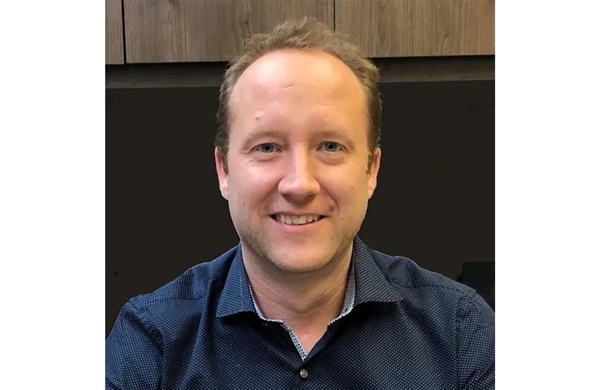
Gissele: The organization operates 23 supportive programs for individuals and families of all ages and employs over 120 staff. Its CEO, Andrew Sedley, has been with the organization for the past 15 years. Previous to his work with SIGN, he worked in the healthcare sector in mental health, addictions, and public health.
Gissele: He convocated from the University of Regina in 2006 with a bachelor’s degree in social work. And as a lifelong resident of Yorkton, Andrew recognizes the value of the [00:01:00] not-for-profit sector in building community and supporting individuals and families within the community. Please join me in welcoming Andrew.
Gissele: Hi, Andrew.
Andrew: Hello, so glad to join you today
Gissele: Oh, thank you so much for being on the podcast. I was recently at the Yorkton Film Festival, and I heard about your organization and how community has come together, and I just had to talk to you. I was wondering if you could tell me a little bit about how SIGN got started.
Andrew: in 1968, we had four local clergymen that had come together and they’d seen the needs in the community really wanted to develop something that could provide more than what the churches could provide at the time. They’d seen a lot of individuals and families that were struggling, and they sat down around a table, and they came up with this great idea of an organization that could serve the community needs, and we’re gonna call it Society for the Involvement of Good Neighbors because we know as good neighbors, we’re there for each other, we help out when needed, and support each other.
Andrew: And so they started from that conversation, [00:02:00] and in 1969, they opened their doors. And, the first executive director at the time was Elton Davidge, and he was a long time member of the United Church here in town. And so the very beginning of our organization started more faith-based but from then has moved on now to more of a funded through government and that sort of thing.
Andrew: But one thing that they always wanted to do, and I’m a huge history person, so when I got here 15 years ago, we have this room for archives, and they kept every single newspaper clipping and, and so just I read, I spent a week reading the history of this organization. And one of their first meetings the four clergymen had was they wanna have the finger on the pulse of the community. They wanna know what’s going on in our community and how can we support those individuals and families in need. And from 1969 when they opened their doors until today, that’s really what we want to focus on is making sure that we’re meeting the needs and supporting individuals and families that need those extra supports.
Andrew: [00:03:00] We’ve we’ve changed. I’m a lifelong resident of Yorkton, and so I’ve seen kinda how we’ve grown, we’ve diversified, and as in many communities across this country, we’re seeing a lot more needs and a lot more people in crisis and needing supports. And from the very humble beginnings of those four clergymen to where we are now, one thing that we wanted to keep always was what is the needs in our community?
Andrew: How can we develop programs to support those needs? And kinda go from there. Andtheir first foray into providing supportive programs in Yorkton was a counseling program. And now we have counseling now, but back then when they started counseling, they had it over the radio. And so every Wednesday evening for an hour People would call in and talk about what’s going on in their lives, and guessing the whole community probably listened as well. So not very confidential off the start.
Andrew: But, uh, Now, 57 years later, we’re still providing counseling.
Andrew: It’s confidential, it’s free, it’s rapid, it’s when people need [00:04:00] it. But that was our first foray into supportive programs. And the other piece that this organization always wanted to work on was advocacy, and advocating for those in our community that need. And our first advocacy project that we did was back in the early nine- I think it was 1970, and it was advocating the city council to bring in crosswalks. So it was something where there was a young person that was hit on one of our main streets the members of Sign had heard, seen other communities that had crosswalks and advocated to city council to say, “Hey, let’s look at starting crosswalks.” So that was our very humble beginnings was looking at, providing a one-hour kinda counseling per week call-in show and advocacy for crosswalks.
Andrew: And from there, like I say, we’ve just diversified and like you mentioned, 120 staff now that we’re providing supports to individuals. And last year alone, we’re just planning for our annual meeting and last year we had 8,123 unique individuals that accessed one of our [00:05:00] services. We’re a community of 17,000, and so
Andrew: it’s amazing, The supports that we’re able to provide and where pe-people feel comfortable coming for supports because there’s always stigmatization and that sort of thing too. But we really want it to be that welcoming, open place for everyone to come and meet other people, have supports, that sort of thing as well.
Gissele: This is so beautiful because, even from its very beginnings, it was based on true community caring and truly looking out for one another. Can you just say a little bit more about the kinds of services that you provide? And are they all funded by the government, or do you sometimes have to go above and beyond what the government envelope gives you?
Andrew: As many nonprofits know across this country we do go above and beyond. So we do receive some funding for some of our programs through government, but we do provide a lot of extra supports and that sort of thing. So when I look at some of our programs that we offer, we provide programming from everywhere from prenatal up to our seniors.
Andrew: We provide low-cost [00:06:00] transportation for seniors in the community to get out to medical appointments, go for groceries. Our drivers, what they’ll do is, yes, they take the individuals to the appointments, but they’ll walk them in, check them in, they’ll carry in their groceries. And the real focus of it is one, we wanna make sure people are getting to their appointments and that sort of thing. But what we’ve found is that a lot of some of our older folks in the community, their families moved away And, for them to still be feeling included in their community and that sort of thing, it’s us picking them up and getting them out to their seniors groups, activities and really building those relationships.
Andrew: When I started 15 years ago, I wanted to spend a day with each program just to find out a little bit more. one of the programs I’ll always remember is our senior mobility program because I sat in the back seat and our drivers would come pick up the seniors, and they would start a conversation on the way to the doctor’s office.
Andrew: The driver would walk them in, check them in, come back about an hour later. They’d pick them up once their appointment’s done, and they just continue [00:07:00] on the conversation. And the relationships that we’re able to build with our seniors and our drivers i- is so important and really reducing that isolation. As seniors, as they grow and if they’re in their own home still, they can become quite isolated, family’s not around. And yeah, it’s a transportation service, but what we’re really doing is really trying to reduce that isolation. And we hear from seniors all the time just how they’re so thankful to have us around to be able to even just to have conversations with and that sort of thing.
Andrew: We, Some of our other programming we offer in-home family support, so going in, doing home visiting, working with families and parents ensuring, that parents have the skills that they need to raise healthy children. We work with individuals that have long-term mental illness doing job coaching and independent living supports ensuring they can live on their own and be independent. Uh, brain injury programs involving again independent living and ensuring that those individuals are able to have the supports they need [00:08:00] to be able to, go grocery shopping and budgeting and helping out with their apartment or their house or that sort of thing as well. A number of our other programs include family resource centers. So in a couple communities, we offer centers that families can come to, and there’s drop-in and play. There’s programmed activities we’ll have public health come in, uh, and do different s- activities with the parents. Mom and me yoga, dads bird birdhouse making cooking classes, those sort of things. And it’s really become a drop-in center for individuals that just, when you have a new baby it can be tough and, if everyone else is working and that sort of thing, y-you feel quite isolated.
Andrew: So again, we have new moms, new dads coming together and meeting other new moms and new dads and just being able to network that way, but as well learning some really good tips and tricks on early childhood development and ensuring that we’re able to raise our kids the best that we can. We have a early learning center, which is a licensed [00:09:00] daycare facility and a really unique story is with our daycare center. So back in 1982, which is aging me a little I went to the daycare as as one of the kids. My mom worked in the daycare as a daycare teacher.
Andrew: My dad volunteered for the organization.
Andrew: That was part of the reason why I came from health overto SIGN was I knew the good work that was happening and involved just growing up with knowing and hearing about SIGN and that daycare ran from the late ’70s until the mid-’90s. And we do this with some of our programs.
Andrew: Once we’re– they’re viable, they’re sustainable, they’re working well, we’ll hand them off to the community to continue running, and then we’re able to then look at, okay, what are some new programmings that we can start and that sort of thing. So the daycare I went to, we handed off, uh, mid-’90s, but then early 2012, we started to notice there’s a need again in our community for daycare spaces, and so that’s when we started the process again of developing a new daycare. We have programs [00:10:00] that provide life skills for young people. So kids aged 12 to 18 providing mentorship skills being able to ensure that, that our young folks have those healthy adults in their life. And so our staff will be tho-those mentors and f- and help them, support them.
Andrew: Maybe it’s their… the kids are having trouble with school, getting in, going to school or whatever it may be. And so they’ll work with the kids on, what do we need to do to get you back to school? Or, what do we need to build those skills so that you’re ready for the workforce when you graduate?
Andrew: Or what do you wanna do after graduation? So providing a lot of those life skills and supports as well for individuals. We do also offer counseling for individuals affected by sexual violence, sexual assault and, we also provide some preventative education going out into the community and talking to individuals and letting them know, about consent or about what is a healthy relationship and what does that all entail. We provide counseling as well for domestic violence, so those that are [00:11:00] affected by violence in their family. Has there been generational violence? Those sort of things as well. And so working with with those individuals too that need those supports. One of our n- I’d like to say newer programs, but we’re now 10 years in, so I can’t even say too new.
Andrew: But
Andrew: Triple P Positive Parenting, which is across Canada,
Andrew: SIGN has always been a pioneer with starting out programs provincially. We were asked by the provincial go-government to pilot Triple P Can- or Triple P Parenting here in, Saskatchewan. And so there was us, Regina, and Sandy Bay.
Andrew: so we, we ran it for a number of years, and now it’s across the province. Centers across the province that are now offering that Triple P Positive Parenting support to to parents. And we also offer for those that can’t travel to Yorkton or that sort of thing, we provide training across the province virtually as well.
Andrew: So we’ve received some funding for online registrations and be able to virtually work with folks [00:12:00] from the very north of the province down right to the border, the US border. And so again, really trying to get that information out. And one of great things about that program too it’s not mandated.
Andrew: It’s not because, I’m a bad parent or I don’t know. It’s
Andrew: really focusing on, what are some tips and tricks that I can do, What’s the bedtime routines? I have s- temper tantrums when I go shopping. What do I do?
Andrew: And so our staff go and work with the families and the parents we also provide childcare. We’re trying to reduce the barriers. So while they’re in going through the sessions, we’re trying to you know- provide that childcare. So we’re reducing barriers, we do transportation, whatever it takes to ensure that we can get those supports for individuals in need. And th-the Triple P program as well is, like I say, it’s been recognized kinda worldwide. And we’ve quite involved in the province with really opening it up and getting more sites here going with it as well. Another program that we’ve [00:13:00] offered, and again, this is from the late ’70s is a adolescent group home.
Andrew: For young people aged 12 to 15 that may not be in the best healthy situations at home, we provide that healthy home for them whilewere working with parents on different issues and that sort of thing. And, it’s it’s a 24-hour staff facility, but really what we want it to be is we want it to feel as much as a home as it can be for those young people.
Andrew: Um, We’ll have them registered in dance and football and whatever it may be that, are their interests really try to be those mentors and supports for those young people while they’re with us. The goal always is more short-term stays. Sometimes that happens, and sometimes they are a little longer. But the goal really is that family reunification . And then we have some of our other programs family preservation, family support programs. Both of them will work intensely with those families. So if there is a young person that may be at our group home we may be then providing some supports to those families, ensuring, they’re healthy enough to be [00:14:00] able then to reunify with the kids as well and that sort of thing too. Uh, we also have before and after school programs. So we heard from parents saying, ” We have nowhere for our kids to go before school or after school. My work d- time doesn’t match up with the school’s time.”
Andrew: so we sit down, we kinda hear, what these issues are and then look at how do we operate it?
Andrew: How do we support them with it? And so we have before and after school programs at three different schools that we offer for families that go to those schools and really try to, again throughout this all is looking at the needs in our community and then kinda, developing programs to meet some of those needs.
Gissele: How do you keep your finger on the pulse though? Like, how do you get feedback from the community?
Andrew: So this is an– this is one of the Most amazing things. I don’t really know. It’s not a magic wand approach. It’s a let’s sit down and have discussions. And so I go to– I sit on provincial tables where some of the larger centers are, like, amazed at what do you mean you can [00:15:00] just talk to the healthcare or you talk to, mental health or s- education or whatever it is?”
Andrew: And this community, and this is way before my time has always just looked at doing work in a collaborative way. We don’t need to own a program. If there’s a need in the community and I see the need, it doesn’t mean I have to start it. Maybe there’s another partner within our community that can start it as well.
Andrew: So we hold usually it’s quarterly meetings where we have agencies come together and we’re talking 25, 30 different agencies here in Yorkton that come together and
Andrew: talk about these are the needs, and then coming up with what kind of solutions can we, we do with these needs. It’s from what I’m told, a different kind of way of doing things in the community, but it’s the only way we’ve done these things, is we sit down and we have conversations. I I think we’re so much stronger as a community when we work together than when we work in silos. And we’re constantly giving [00:16:00] tours of our organization or our facility to government ministers and that sort of thing and they ask that same question how do you make this work?”
Andrew: And it’s, we just sit around a table and we come up with ways to, to deal with the issues that are happening in our community. And we’re not perfect. We still have ways to go with it. But uh, it’s very easy for I think any of us in this community organizations to just pick up the phone “Hey, let’s sit down and discuss.”
Andrew: We’re after the same goal as a community, so why aren’t we
Andrew: working together on it?
Andrew: And I’ve had other communities in the province that have asked me to come and speak and it’s very simple. It’s let’s sit down, have conversations and once you build that trust and you build those relationships with each other, you know that, it’s we’re able to then work with one another and make our community a better place.
Andrew: And so for us it’s… For a lot of people it sounds foreign this fact of just working with other agencies and organizations. But I’m 48 and that’s just kinda how we’ve always done things in this community. I think we’re so lucky to the people that [00:17:00] came before within SIGN, within some of our other organizations that really built that culture in the community of getting together and coming up with collective solutions We don’t each have to own it.
Andrew: It’s all of ours, and we can all play a part in solving some of those issues
Gissele: I love that S.I.G.N., from my perspective is really founded on true caring. True caring for other people, the people in the community. And, as you were talking the… You know that quote, The quality of a society is based on how they handle their most vulnerable members and I think that’s S.I.G.N.,
Gissele: right? You’re looking after people with mental health issues. You’re looking after, new parents, and parenting is hard, so to get support. The elderly people. I have elderly parents that don’t live in the same community as me, and transportation is a huge issue. And so yeah, the fact that all of you came together in true caring is really admirable.
Gissele: And it got me thinking as to why is that so rare? when I think of my own story, I grew up with, traumatized parents and, there was so little [00:18:00] trust in the community. They didn’t even trust their own family members, let alone the community, and I was taught not to trust people.
Gissele: I was taught survival, and I wasn’t really taught to really care about my neighbor. It was seen as a competition, right? That life is a zero-sum game. What do you think contributes to your community’s perspective on we’re in this together, this collaborative approach, instead of the traditional zero-sum game perspective that is usually supported by, the larger public?
Andrew: I, I think it comes down to a few things. Number one the the leadership that there is within this community, I think they’re leading the way by, always wanting to be collaborative and being a part of it. From our mayor and city council all the way to– They’re working with us. They see value in the role that supportive agencies are providing. When I look at each of our agencies, it’s just kinda something that everyone’s bought into. We’ve seen our community change where we have more people moving into Yorkton and just, housing’s an issue , and [00:19:00] where do we find enough affordable housing?
Andrew: And we’ve worked together on a number of projects where SIGN has started a housing support program to work with those that are homeless or hard to house. We helped another agency with writing a proposal to get funding for the ho- a homeless shelter. We work with the city, on developing a joint project to get affordable homes built where we can go in and provide supports to individuals that are living in the homes.
Andrew: And it’s just always kinda- If we’re doing it alone, we’re not doing it correctly.
Gissele: Yeah
Andrew: need to be doing it with everyone else. And, our city back in 2010, we had floods throughout our community and many people were
Gissele: Oh, wow
Andrew: and we lost, a whole block of houses. Individuals had nowhere to go. It was kinda just, it happened and everyone just jumped into action, so we had a quick meeting with everyone from you fire, different supportive agencies and we ended up housing [00:20:00] individuals within a week. We transformed some of our office building into residential spaces so individuals were able to have somewhere to go and be able to still kinda live their lives un-until they could get through the process of whether it’s rebuilding insurance, all that kind of stuff that’s
Andrew: affected too. And again, it’s just we never know when something can happen to us and if we have good neighbors around us that can reach out and support however we can, we know we have a better chance of being successful with it. And we’re one piece of this community but this community as a whole sort of thing is how we really make things happen here in Yorkton.
Andrew: And we when I talk about our our building that we use to house people even that it was a gift from John Remai who owned a number of hotels across the province and so
Andrew: it, it was an old Travelodge. And
Andrew: so he had come to SIGN and he said, “I’m getting out of the hotel business.” I know what you do in the community. I think
Andrew: it’s so important that this [00:21:00] continues, and we wanna donate the hotel to you.” And the previous executive director, Tom Seeley, at the time had said okay, we can look at it. We’ll talk to the board.” And John’s no, I need an answer today.” And John– or Tom said, “No, we gotta go back to the board.” And the board had deliberations, and they thought about it ’cause all of a sudden there’s a 60,000 square foot facility and, how do you run it and operate
Andrew: it as a not-for-profit And everything else? And the board eventually did decide to take on that gift but what we did was we asked community m- partners to come together and look at de- coming to have their offices with us. So we have a center now where it’s a one-stop shop.
Andrew: So the, uh, we call it Sign On Broadway. It’s, the old Travelodge. We have a high s- an alternative high school in there.
Andrew: We have our Sign programs. We have partners such as Saskatchewan Abilities Co- Council,
Andrew: the,
Andrew: Big Brothers Big Sisters. We have private counseling teams. We have [00:22:00] psychologists, psych-, nurse practitioners through the health authority, public health nurses, and so really this one-stop community shop. And again, it was just community going to them and saying, “Hey, we wanna do something, and we see value in it,” of, someone has a need in the community, w-we go to one place now. And been very successful in I think even just referrals. So I– let’s say go back to my previous life in health, we would refer somebody to a service.
Andrew: And the way that we would do it is we would fax a referral over to whoever, and, about a week later, I get a call back from a client saying, “They never responded to me,” and the client’s quite upset or whatever it may be and maybe the other agency didn’t receive the fax or whatever happened.
Andrew: So now what we simply do is when we’re working with an individual and they need other supportive services, we walk them across the hallway and introduce them to that service, and they’re able to right away look at book- book an appointment, meet with that person and we’re really trying to reduce some of [00:23:00] the the issues that individuals go through when trying to navigate systems, ’cause systems,
Andrew: aren’t easy.
Andrew: And so, By us as a community coming together and saying, “Yeah, you know what? We’re gonna, we’re gonna locate our offices within this one facility,” it makes system navigation so much easier. It’s able to as well build relationships with organizations and programs And so we’re able to now, build those relationships even stronger by being in, in the same hallways as, let’s say a nurse practitioner or a doctor or, um, a psychologist or whatever it may be. So really trying to have that one-stop shop for, our services plus the other community services right there as well.
Gissele: I love that. And it’s so true. The research does support that co-locating services results in better uptake
Gissele: Of services. And again, also my background is also social work. I know about long wait lists and struggles to get access to services, especially for vulnerable populations. And so having resolved that [00:24:00] issue I think is amazing and again, founded on true caring.
Gissele: Do you think that part of the fact that you are able to work so collaboratively has to do with the size of your town? Do you feel because you’re a smaller town that maybe it’s easier to come together? And how will you manage that as the town grows and becomes more popular?
Andrew: So I think definitely the size of the community, does help us quite a bit. Like I said, I grew up in this community . We know everyone. when we have a community event it’s full of community members. And so the size of the community definitely does help. And as we grow as a community one of the the main things we do is and just for an example, we have a community paramedicine team that’s just started last week here in Yorkton.
Andrew: And, so they’re gonna be working with some folks. And so the first thing they did was they came here, we had a coffee, we learned about it, connected them to the collaborative groups that are meeting, quarterly.
Andrew: And it’s, as soon as an agency or program starts in the community, we wanna [00:25:00] make them feel welcome. We want them to know that, “Hey, we’re here for you,
Andrew: and, we see value in the supports you’re giving.” And really want to, I think, make sure that it’s not We can never be competitive. And I think a lot of times some agencies we may feel like, “Oh, we gotta compete against this one. We’re competing against
Andrew: funding.” and right off the bat, I think we’ve always come from the mindset that it’s not competitive, but we’re able to be- make this community even better by having this person or this organization on board. And it’s quite common as soon as we a new agency or like I say the community paramedicine team coming it just, it’s as soon as they start, it’s, “Okay, let’s set up a meeting and kinda go from there.” And it was great actually. I didn’t get a chance to set up a meeting.
Andrew: They were already at my doorway sort of thing on their first day saying, “Hey, here we are, who we are.” but I think looking from the mindset of not competition, but doing it more as, you’re a part of this team and we all play a role in this community and and getting away from that.
Andrew: And [00:26:00] it’s tough because there are limited dollars available for different supports and that sort of thing. And but one thing I think that we’ve really done well here in Yorkon is we don’t fight over the dollars. It’s, if someone can do it and they think, they have the, the building in place, they have whatever it may be, it’s where they’re supporting them.
Andrew: So half the time I’m writing support letters or sitting down and helping with proposals that, that don’t affect my organization. But in a way it does because you it’s affecting the families that, that we’re working with, or it’s infecting the sen- or affecting the seniors we’re working with.
Andrew: And so whatever it may be thing, we want to ensure that we’re a good teammate and that we’re welcoming not only to our community members, our individuals, our families, but to agencies, organizations that are starting up here in the community as well.
Gissele: And I think to me, this is the way of the future. I think this is the way that we’re all gonna survive, is coming together in true collaboration rather than this competition, this zero-sum game perspective. And the other thing that I love about your [00:27:00] organization is that you work hard to see people, right?
Gissele: To make sure that everyone in the community is seen and supported. And I think in a world right now where people feel so lonely and divisive and isolated, I think that’s so important. I wanted to ask about what have you seen in terms of of social media and iPhone use in your young people and the distractibility, and how has SIGN been able to address issues of connection to media and technology that maybe isolate young people away from the community or their families,
Andrew: Yeah, it’s it’s something that I know you’re hearing about nationally as well as provincially. They’re putting out a poll as well here in the province of Saskatchewan regarding social media and children under 16. for us, we have our Triple P parenting, which has– they have actual programs on screen time
Andrew: and
Andrew: So it talks about brain development and those sort of things, and really kinda informing parents as to, screen time and, if we’re just throwing a phone in front of a child’s face [00:28:00] to, keep them quiet sort of thing, not probably the best way to, to do it and that sort of thing. Divisiveness, I think, is something that we’ve just seen more and more within our community. Um, For us, I know one of the things that we focus on is just welcoming everybody into our organization. It doesn’t matter what background you have what you have
Andrew: we wanna be as inclusive as possible knowing that when you come through our doors, we want you to feel safe. We want you to feel welcome. I look at even just when you walk through our doorways and just the soft feels that there is when you walk in.
Andrew: And we know a lot of individuals that come for services have dealt with a lot of trauma
Andrew: and, We wanna make sure we’re not triggering and we’re not, doing anything that could affect them. And we know that, by being as welcoming as we can be letting people, the first thing we do is, we ask, “Do you want a coffee, a water, a tea?” Something, just something simple to reduce, some of that anxiety, that sort [00:29:00] of thing. But the divisiveness that we do see within social media it, it’s something that if we could sit around a table and talk, I think we’d be able to make a lot of progress that way. It’s something though, I think, that is continually an issue. And like I say, our Triple P parenting has a- actually a program that just focuses on that screen time with our young kids.
[00:29:22] Creating Flourishing Communities
Gissele: That’s beautiful. And I know I want my audience to understand the importance of what you’re doing ’cause, yeah, it sounds like a nice community model da. But, I wanna reference an interview I did with a a mother who lost her son at Sandy Hook,
Gissele: And she’s spoken to a lot of young people that would-be school shooters.
Gissele: And, when she asked them, “What contributed to you potentially going down that route?” they said, “Not feeling seen.”
Gissele: And so the fact that you have a community that is willing to see all aspects of their people in true caring, you may not have an elderly parent or you may not have a young [00:30:00] child anymore, but that doesn’t matter.
Gissele: You understand the whole concept of interconnectedness and how like you said, your program, you might not get funding for a specific program. Somebody else might get it, but it positively impacts you by increasing the flourishing of your community. And so this is kinda how we get out of war.
Gissele: This is how we create flourishing communities . And so I just want my audience to understand how important it is. What are some of the challenges you faced in creating a collaborative community, and how do you get around some of those issues?
Andrew: I always get a laugh ’cause when people ask me this I do two things. I say , “We gotta focus first off on our community champions ,” those that are
Andrew: Go go.
Andrew: whenever you’re looking at doing anything you’re also gonna have people that are against, whatever it may be.
Andrew: I call them CAVE people, citizens against virtually everything. It doesn’t matter what you
Gissele: I love that. Okay, yeah.
Andrew: We don’t focus on them right now. Let’s focus
Gissele: yeah. They’re afraid
Andrew: eventually we’ll get them on board,[00:31:00]
Andrew: but let’s focus on our champions right now. And,
Andrew: we’ve done in my, my role here as well as my past role, a lot of community development and the focus really is on let’s focus on these community champions, get some involvement from them. When we look at even our young people what we do and in my previous life through health when I– we worked with young people and youth engagement, we wanna engage our young people. we, um, as adults we think we know what’s best for them always, but we never ask them, you know, “What do you think about it?”
Andrew: And worked with youth and developing youth councils that work with city councils
Gissele: beautiful.
Andrew: be able to provide some of those supports. And I still think back to, this is probably probably 16, 17 years ago now, but I was going to develop youth committees that could, work with city council and that sort of thing.
Andrew: the way that I was able to get youth to come was pizza. Go to the
Andrew: schools, wherever sort of thing, free pizza, get a whole bunch. And so kinda did these different sessions, [00:32:00] and the only kids that kinda continued were the ones that were the skateboarding crew and that sort of thing.
Andrew: And a lot of the kids that, the adults or the schools weren’t really looking at much as you’re thinking like they were the best kids. But meeting with these kids and getting their ideas and their input and, they ended up developing a whole bunch of things. They wanted to look at ways to, how can we reduce substance use in the community?
Andrew: And so they came up with let’s have activities in the evenings and that.” They did um, pool, free pool parties for youth in the community. they got city council to– They went to city council and presented. They got a snowboard park built in the community. They a skateboard park some different things like that.
Andrew: And actually the first year the the city ended up doing civic recognition awards. And so their citizen of the year was a 16-year-old that was the chairperson of the
Gissele: Wow
Andrew: Because we know that if we [00:33:00] involve our young people in decision-making, in being a part of solutions, we’re gonna
Andrew: be a lot more successful for young people. If it’s just us adults sitting around the table, we’re gonna fail. We’ve done that for how many years, and we’re not
Andrew: successful. So the biggest thing when we’re working with our youth is we need youth voice. We need youth involvement in it. We had surveys done. I’ve worked with an organization out of Minneapolis, it’s called the Search Institute, and they have what they call the 40 Developmental Assets.
Andrew: And they’re 40 building blocks that they say young people need to be successful. And, So you know, we kinda have done surveys over the years within our communities throughout the east central part of Saskatchewan to find out where are our young people right now. And I know when we would go and release those results in the evening to a public forum sort of thing, we’d have our young people and our adults there.
Andrew: And, um, one of the biggest things that we’ve seen was there was a low number of youth that said they felt valued in their community.
Gissele: [00:34:00] Yeah.
Andrew: And you know, that was a point of, adults right away would stand up and say what do you mean? They’re valued,” and that sort of thing. And the kids are saying, “You know what? We’re not being listened to. and so it was amazing to see that just switch turn where adults now start involving youth. Y- in the city of Yorkton now, we have a large youth group of 12 to 18-year-olds that,
Gissele: Oof.
Andrew: are working with city council, with city administration on youth activities and programming. We had, and it’s really interesting we received some funding through a family foundation a number of years ago to run a pilot on youth resiliency and how do we get youth involved in the community and that sort of thing. And so we ran it for two years and the funding was up, and we’d seen the value, and we didn’t know what do we do?
Andrew: We don’t wanna just leave the kids high and dry now.
Andrew: And so talked to our partners at the city who said, “This has been amazing . We wanna take it on and fund it now.” And so it was really, able to keep that going in our community. Local [00:35:00] government saying, “We see value in it,” and then continuing to fund it and have it running today still. And again, it’s just when we’re working with our young people, I think it’s so important that we hear them, that we listen to them, and we listen to understand them, that we don’t just kinda listen to, yeah,”
Andrew: and then move
Gissele: yeah.
Andrew: Get down to actually finding out, what are some of the issues? What do you see as solutions? What do you need as supports? And by us, working with our young people we’re seeing success that way
Gissele: Oh, so beautiful. And you’re creating the next generation of champions, right? You’re creating the next generation of flourishing citizens, and so it’s a huge investment that pays dividends.
Gissele: it’s so incredible how often young people are disregarded, right? And they have so much wisdom. That was one of the things I learned within the field. They have so much wisdom if we would only listen to them because they are the future.
Gissele: And I also loved the fact that when the funding dried up, you’re like, “Okay, so who else?” Instead of leaving the kids high and dry, it’s who else? But [00:36:00] often with organizations the funding dried up, therefore we can’t do anything.” And so you’re willing to think outside the box and say,
Gissele: this is beneficial. How else can we do this?” And that is the essence of problem-solving with a focus on the community needs, not with the f- funding leading,
Gissele: Which I think is so essential. So essential. Yeah.
Andrew: Yeah,
Andrew: absolutely. And a lot of times, when there’s pilots running you’re trying your hardest to, get the results
Andrew: If funding does buy or dry up, that we’re able to then do that. And it kinda just reminds me as well of our rapid access counseling.
Andrew: So we offer free rapid
Gissele: Oh, yes.
Andrew: So this is another program that we piloted. so we ran it
Andrew: Wouldn’t it be nice we had walk-in medical clinics? So when I have a cold, I can just go there, pick a number, a doctor will see me or whatever it may be. I’ll get an antibiotic or whatever it may be, I’m on my way. And it diverts people from emergency rooms, that sort of thing. And so we said why don’t we do something like that would then divert [00:37:00] people, from mental health, which has long wait times as it
Andrew: was, or through the emergency room, which is quite expensive?”
Andrew: And so we ran it for about a year and a half, and we kept every piece of data that we could. And we sat down with the minister of rural health, uh, for the province and kinda just gave him the information. This is what we were able to do. This is the amount of people we served. We we do session ratings, so we do outcome rating scales and session rating scales where the individuals will kinda mark where they’re at, how the session went, all that kinda stuff as well. ‘Cause we did it in mental health back when I was there, and so it was like, “Okay let’s do the same sort of thing,
Andrew: but let’s do it when people are needing it in crisis.” So if I need to talk to somebody right now, how am I gonna do this? I don’t wanna go and have to wait a week or something like that.
Andrew: I need to talk
Andrew: to someone right now. And so we said, “Okay, let’s start it up.” And we started out very– It was an office with a number that you would pick up, and you would wait for your counselor to come.
Andrew: And so we did that, [00:38:00] like I say, for about a year and a half, got some great data, took it forward to government. Government seen the value in it, and they ended up funding, I guess it was 12 organizations and 52 sites across the province is where now, we’re now offering– operating this what we call rapid access counseling. And, We’ve
Andrew: moved away from the go in and pick a number, but now it’s just simply you go online, you can book a day and time.
Andrew: You can choose what counselor you would like to see, male, female, whatever it may be. If you can’t see someone in person at two o’clock today because that one’s booked or this one’s booked you can connect virtually with any of the ones across the province as well. And really trying to make it as seamless as possible where individuals can get those counseling services when they need it. And the best thing is it’s free of charge. So really wanting it just, no barriers whatsoever. If you don’t have a computer, we can do it over the phone. If you don’t have a phone, let’s come into the [00:39:00] office. However it is that we can do it. And we travel out to, like I say, those 52 sites across the province.
Andrew: And so it’s a collaborative approach again. So this isn’t just a SIGN thing. So SIGN’s a member of what we call Family Service Saskatchewan, which are SIGN plus 11 other like-minded agencies that are similar to that. So on a
Andrew: provincial level said, “Okay we’re gonna run this pilot.” So we were running it already, so we had another organization out of Regina and another one out of Melfort. And so they all kinda– we all kinda kept the same stats and the data with it. And now from that’s where these 12 agencies are now funded, those 52 communities across the province, and continuing to look now at how do we service the north, the northern part of our
Andrew: province. Not be great internet coverage
Andrew: And we’ve started embarking on a northern strategy to come up with recommendations that we can give to government to say, “Hey, this is what we can now do in the north as well.” And so, Constantly kinda looking at how can we [00:40:00] do this, but not doing it on our own, always going back to that collabor-collaboration.
Andrew: So whether it’s locally, whether it’s provincially, we know we’re stronger when we do it together. And so that’s been our mantra. Our focus is always, how do we partner up and do the best that we possibly can for individuals and families
Gissele: Yeah. it’s so important. So I wanted to go back to the issue of getting mental health funding and offering for free, because I think this is such an important point. I always wondered why, at least in Canada, the government funds physical health but not mental or emotional health when it’s all interconnected, right?
Gissele: many doctors say that stress causes many illnesses and diseases, so why wouldn’t you invest in mental health and emotional health? And I think that’s what you’re showing is that there’s a huge need, and then those people don’t end up in emergency room. They don’t end up in those other clinics where they’re not getting serviced.
Gissele: And so I think that’s really important, and I hope that the… we learn from this and then expand that as a, as an [00:41:00] option for people because some of the most vulnerable people don’t have the funds to be able to access or may not have employment that has benefits, right? There’s always the assumption of oh benefits can cover it.
Gissele: Often benefits is like one to five sessions, and there’s once you’re done your five sessions, then it’s over, and you’re like I’m just getting started.” Like if I met you as a therapist, I might not get to my truth by five sessions. I just met you, right? And so the need for us to fund that support I think is really essential, is really like bravo.
Andrew: Yeah. absolutely. I think we look at the health budgets across any province, and they’re the highest budgets that we have, and
Andrew: it’s really focused on that physical health. But we’re seeing more and more now investments into mental health, into addictions. I think there’s probably a lot more we still can be doing, but we are starting to– We’re starting to talk about mental health,
Andrew: and that is something that we haven’t really done a good job of.
Andrew: As males especially,
Andrew: And we’re starting to hear more and more men, talk about it and coming [00:42:00] for services. And one of the interesting things is traditionally counseling it’s always been we’ve seen more females than males come into our counseling services. So when we started the rapid access counseling and tracking, tracking all the demographics, all that sort of thing, we’re finding a 50/50 split. And so we started asking the question what changed?” it’s always been more females have been attending males. And what we found was after asking the questions was it was prompt.
Andrew: It was right away. I wasn’t having to wait. One person Told me, “It’s like when I go Christmas shopping, I wanna go into the mall, grab what I need, and get out.”
Gissele: yeah, exactly.
Gissele: Here, take “That’s what it was like with counseling. I went in, I got what I needed, and I got out.”
Andrew: but I don’t know if the male brain’s wired differently or what, but seeing more men reach out for service, which is good. We wanna be
Andrew: able to, Because we, as males, a lot of time we don’t talk about mental health. And so when we see more [00:43:00] males now reaching out and feeling comfortable re-reaching out, whether it’s through media campaigns or programming or whatever it may be, but we are starting to see that demographic now attend more for for counseling sessions which is important.
Andrew: We also provide some services for individuals that family members that have been affected by someone that’s committed suicide. And so we
Andrew: have, A separate program that works with individuals within 24 hours sort of thing of a suicide then RCMP or whoever may have , they’ll refer people over our way to ensure that we’re able to provide those supports as well. But it’s something that we’re seeing more and more, and I think the need’s gonna get bigger.
Andrew: And I’m hopeful that, our governments and leaders and decision-makers really invest in mental health. You look at physical health to mental health it’s all in one and we really need
Andrew: that investment
Gissele: Yeah. Yeah. for sure. And again, I wanna emphasize how important it is that you’re seeing a rise in men accessing these services. [00:44:00] The primary crimes committed in this world are by men,
Gissele: right? Unfortunately, domestic violence, sexual assault, war. And so it is these men that are the ones that need that service.
Gissele: And I’m not saying that women don’t commit crimes. Absolutely they do. But the majority of the more horrible crimes are committed by men. And so them getting access to the service is really important. Why do you think from your perspective that men struggle, have struggled so much with being able to get supports for mental health?
Andrew: And it, I think a lot of it too is just, our, the upbringing of males. As children we’re told don’t cry,” or, we’re told you don’t, act this way or that way because, you why are you showing emotions?” Sort of thing,
Andrew: right? I think for, one thing is, when we don’t show those emotions we may just end up with utilizing one emotion, which could be anger or whatever it may be once, once they grow and that sort of thing
Andrew: it’s I think a lot to do with how there’s this idea that males, are brought up to be [00:45:00] tough. this is the way that you need to be and really, having our young people, young males know that it’s okay to show emotions and we’re here for you. But, If we kinda say, “Nope, act like a man,” or, however we kinda do that as we, we have throughout the years sort of thing it’s tough, I think, for males to to show those emotions or reach out for help because, that means I may be vulnerable and that sort of thing too.
Andrew: And so really trying to change that mindset of, when we’re growing our young people, our young males, that, it’s okay To have those emotions and it’s okay that mom or dad or aunt and uncle or whoever it may be is here for you and able to support you. And it yeah, I think it, it’s just, it starts from the very beginning where we’re, you don’t play with dolls, you do this, or you play with a truck.
Andrew: And I think it’s just really changing that, that whole perspective of how we raise our young people.
Gissele: it’s much easier for them to depersonalize. It’s so much easier for them to dehumanize, ’cause first they’re not connected truly to themselves, and so then you can’t really connect to [00:46:00] other people and have true caring because you’re not accessing those emotions.
Gissele: You can’t empathize. And so I think it’s interesting that, you lead an organization as well as a male who, who’s, was in social work, ’cause it’s also a very w- very woman-based profession, that are leading an organization that is focused on true caring and it’s focused on true true connectedness.
Gissele: How has your background and your experiences led you to wanna do this work and wanna work in community?
Andrew: Like I say people always ask me, “So why did you leave health and pension and all this kind of stuff to go to the nonprofit world?”
Gissele: Yeah
Andrew: And I always go back to, I grew up with this organization. Like I said, I went to the daycare. Mom was a teacher at the daycare. Dad volunteered doing plumbing even though he wasn’t a plumber,
Andrew: but he would help out doing that sort of thing.
Andrew: I went to
Andrew: all the staff barbecues and that growing up. I had the little T-shirt with the sign logo on it when I was eight years old. And when I finished my [00:47:00] university and started out in healthcare, I started out as an addictions counselor, and so did that for a number of years and then into mental health, into public health doing community development. And and when the opportunity came I was like, “You know what? I I worked with Sign so much when I was with health, with the previous executive director,” ’cause we have this collaborative table that we’re always meeting with all the agencies and he really encouraged me and said, “This would be a great step for you.”
Andrew: And so I kinda– I threw everything to the side and said, “Okay, I’m leaving that security. I’m leaving that. I’m going to a nonprofit world.” And I’ve loved every minute of it. when I look at what we’re able to accomplish and I loved my previous role, my previous work that I’ve done within government, within health. There’s a lot of red tape and decisions, can
Andrew: take six months, a year, two years to, to come to fruition. So when I came over to the nonprofit side or [00:48:00] community-based side, I found that we don’t have to wait two years to come up with a decision. We can, sit around the table. Let’s look at doing– trying this out.
Andrew: If it works, great. If not, we’ll try something else and kinda go from there. And so the fluidity that I’ve found in the nonprofit world, and it’s just made it so much easier for us to really make positive change within the community. And it, So for me, it was it was a bit of a risk making the move. The best possible move I could have made. I now have, 119 other family members. We talk about this organization being a family, and it truly is. We we’re, we look out for each other. We try to ensure, we’re supported. One of the things or a number of things that we tried to do is looking at, recruitment retention because
Andrew: a lot of people are like “You we graduate from university with a degree in social work and we wanna go to government.” And, and so what we’re really doing is looking at, how do we recruit the best possible individuals? How do we retain the [00:49:00] best possible individuals? And, we’ve become, a lot more family-friendly. What we’re Doing is, everything from providing family leaves for staff members to being more flexible. Looking at,
Andrew: One of the things that, that we started as well was,
Gissele: a policy that at 5:00 phones are off, that managers don’t be emailing after hours sort of thing.
Andrew: If there’s something important, you can contact whatever, but you’re not connected to your phone. This disconnecting from work policy is what we call it,
Andrew: and it’s just simply that it’s okay. Live your life. You have a family at home. You don’t need to be connected 24/7. And our younger staff, the ones that are just starting families, that sort of thing, love it. They think, “This is amazing because I have an employer that’s not… I don’t have to be connected 24/7 to this
Andrew: phone. I can turn it off knowing that when I come back to work in the morning, I can deal with whatever there is that may come up.” And that’s How we used to do things before [00:50:00] cell phones, before email, and that sort of thing as well.
Andrew: Really looking at how do we be more flexible, family-friendly for our staff as well. And we’re seeing, that’s actually working. We each year at our annual general meeting we do staff awards for, 5, 10, 15, 20 years sort of thing. This year we have a 30 year, a 25 year,
Andrew: 15 year.
Andrew: And so we’re keeping our staff here, which is really important because as nonprofits, it’s tough to do because we can’t pay the wages that government can. But if we can provide that environment where we’re flexible, where we’re family-friendly if you have, um, a sick child at home, let’s look at ways that we can make it work.
Andrew: You can work from home or whatever it may be to deal with whatever may be coming up. But really trying to be more flexible for our staffing body because they do amazing work, and they go through a lot each day as well when it comes to working with individuals that are traumatized and that sort of
Andrew: thing too. Supporting our staff however we can and providing hopefully the [00:51:00] best possible place they can be at to showcase their talents in the community as well.
Gissele: Yeah, and basically you’re embodying the values that sign has, right? Like the true caring for families and community, and the only way that you’re gonna retain people is if you do that too. I think that’s one of the challenges I’ve always had with not-for-profits is having worked in a number of not-for-profits before I went out on my own is the issue of like they’re always begging for money.
Gissele: They’re always like strapped for money. And to me that, that was just s- such a shame because there were so many not-for-profits providing amazing services, but then when the funding would dry up, then They couldn’t be able to provide the services or they were limited as to who they can offer, which is why I think your model is so innovative, is the fact that you’re like, “I don’t wanna be limited by this funding.
Gissele: How do we come together and make this happen as a community?” Whether it be fundraising or whether it be like, pooling your money together from the funder. I think it, it ensures that nobody gets left behind,
Gissele: And I think that really is essential. It really is wonderful.
Andrew: Yeah, [00:52:00] that fundraising is always a key component when it comes to it. And we do kinda some of the normal ones, the golf tournaments, those sort of
Andrew: things. But, but we do it a little differently. So we involve other not-for-profits in it. So we do
Andrew: partnerships and, make it even bigger and better, so it’s not just one organization, but other organizations that
Andrew: are also, Profiting from it.
Andrew: And the other piece, and it’s really seeing a change in the nonprofit world, is looking at social enterprise and, how can we impact by going through a social enterprise experience we’re able to raise some funds that way and not being as reliant on government.
Andrew: So like I mentioned, having a facility that houses all the organizations, there’s, rents and those sort of things that we’re able to, now utilize then to help raise funds and revenues and that sort of thing too. So
Andrew: Yeah
Andrew: it’s, definitely the nonprofit world is changing. But I really see such great positives for the future for nonprofits here in Canada.
Gissele: Yeah, and even as you were talking about social [00:53:00] enterprise, I was thinking about, a colleague of mine, and we were talking about it was a particular time when we were strapped at our not-for-profit and we’re like, “How do we raise funds?”
Gissele: And it was like, “Can we use these funds to buy a Tim Horton’s which would then funnel these funds back, and then we could work…” You have to think outside the box and creatively. We ended up not doing that obviously ’cause We’re not allowed to do that.
Gissele: But how do you get creative and think outside the box
Gissele: Fundraising has got to be a lot more creative nowadays. It’s not where we do the hotdog sales
Gissele: Yeah,
Andrew: or that sort of thing. Yeah. Yeah. We really have to look at being how can we be more creative and kinda taking a business approach when it comes to how do we raise some revenues. We, Yes, we s- we engage our donors. We do hold some larger fundraising events, but then look at from a business perspective, are there other things that we can be doing that can raise some of those funds, the revenues? Because we can’t be reliant on government. There’s a lot of risk of, as an organization, if you just rely on government funding. At any moment, that government funding can dry [00:54:00] up. you know, we’re all contracted for our different supports and but, a change in government or whatever can just affect that really quickly. And so always being mindful of, how do we build, reserves? for us, we own two or three facilities here in Yorkton. Um, for nonprofits, there, there’s a risk that because government doesn’t cover capital, and so it’s okay. They’ll cover the programming, but how do we ensure that, we have capital, that we’re continually putting money into reserves because we know boiler systems go.
Andrew: We know that, rooftop air conditioners, whatever it may be. So we’re- It’s constantly kinda looking at, okay, from a business sense, we want to ensure that we’re putting in, 80% of our unrestricted funds into capital, 20% we put into programming, so that we know that if a program, um, may lose its funding, we have some monies available now to keep it going to find out where do we, how can we keep this funded if it’s something we see as valuable within our community.
Andrew: And,
Andrew: so [00:55:00] always kinda looking at it yes, you have your social work hat looking at it kinda from that community needs level, that sort of thing, but then also putting on kind of more of a business hat and that sort of thing. So we’ve even diversified now where, it’s having a CPA that’s involved with our organization now that our chief financial officer that, that does a lot of that work and ensuring that we have those minds as well as our social work minds and coming together to, to make sure we’re gonna be sustainable.
Andrew: This organization, we’ve been around for 57 years, and part of my role is how do we make sure it’s another 57 years, and how do we build that while still providing the programming that’s needed within our communities? And so it’s of a, uh, a juggling act at times, but when you surround yourself with strong individuals, caring, compassionate, those with the knowledge and experience from the business side that’s where we really see huge success within the not-for-profit world
Gissele: And this is where I go back to the concept of community responsibility, when you see organizations such as yours that actually are [00:56:00] providing services that work, as a community member, I wanna contribute and I wanna support your organization because it’s working.
Gissele: It’s working for my community, it’s working for the kids, it’s working for the seniors, and that positively impacts me. And so I’d rather invest my money in a, in an organization such as yours than s- an organization that, perhaps is polluting the environment, isn’t necessarily supporting people and, wellbeing, maybe using cheap labor.
Gissele: And so I think it’s really important for us as community members to make sure that our dollars are going to improving, our communities and also other people’s communities too, to stop thinking of the world as, this is just my community and my people. We’re all positively impacted by all of us, and so if we could just, community supporting communities, including supporting something as amazing as Signs. Okay, so a couple of more questions before we end. I ask everyone on my podcast for this season what their definition of self-love is
Andrew: [00:57:00] taking care of yourself and
Andrew: taking time decompress and
Andrew: knowing that, no one’s
Andrew: perfect.
Andrew: we– And it’s okay being able to surround yourself, with family, with friends, whoever that person is for you that you can do that decompress and that sort of thing with as well. working in this type of field, we need to have that ability to be able to decompress at times. And so whether it’s for me personally it’s this time of year it’s going out and golfing.
Andrew: I’m a horrible golfer. But it’s, for me it’s a way just to
Andrew: forget about everything that kinda happened throughout the week sort of thing.
Andrew: But just being able to take time for yourself,
Andrew: getting out and getting some exercise, fresh air surrounding myself, like I say, with the people that are so important to me whether it’s my spouse, Kendra some of my friends, But having that opportunity just to, know it’s okay if things didn’t work out totally perfect this week. We still had a lot of positives and knowing, what those [00:58:00] positives are So I think a lot of times what we do is we can be very critical
Andrew: of ourselves, and I think, being able to get past that, being critical and realizing that, “Hey, I made a difference this week, and this is how I made a
Andrew: difference by A, B, C, or D.”
Andrew: And, you know, reframing the way that we think
Andrew: can really truly make a difference
Andrew: Yeah, and I would say that’s true self-kindness, right? To be able to look at a more strength-based approach. Last question, where can people find you? Where can they work with you guys or donate, or anything you wanna share with the audience?
Andrew: Absolutely. So we have a brand new website. you can see it at www.signyorkton.ca. Um, right there it has a listing of all our programs , our history, our mission, our values, everything that’s happening for this upcoming month. You can register for programs online and just, yeah, learn more about the organization.
Andrew: We do have our Donate Now button right on the top as well. We do recognize [00:59:00] that our donors make a huge impact on what we’re able to do within our community and we do appreciate that as well. You can also give us a call, (306) 783-9409. But the best way is through our website, through social media. Sign Yorkton is our… If you search for that on social media, whether it’s Facebook, it’s Instagram we’re able to you’ll get caught up on what we’re doing, what we’re involved in, and learn more about this unique but
Andrew: I believe important organization here in the province of Saskatchewan.
Gissele: Oh, thank you. Thank you, Andrew, for being on the show and for sharing your wisdom and telling us about SIGN, and continue to do the amazing community-based work. It’s incredible, and, I hope people replicate or adjust or make their own model, but truly founded on caring. And thank you to everyone that tuned into another episode of Love and Compassion Podcast with Gissele.
Gissele: See you soon