
TRANSCRIPT
[00:00:00]
Gissele: Hello and welcome to the Love and Compassion podcast with Gissele. We believe that love and compassion have the power to heal our lives and our world. Don’t forget to like and subscribe for more amazing content. And if you’d like to support the podcast, you could go to buymeacoffee.com/loveandcompassion.
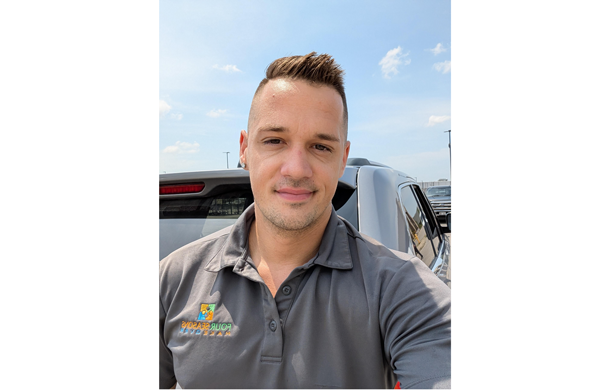
Gissele: Today we’re talking about spreading kindness towards other, and our guest today is Braidon Johnson. He was raised in a broken home, constantly moving back and forth between his parents and attending about 15 different schools between elementary and high school. With constant conflict and both of his parents struggling with severe substance abuse, he emancipated himself at 14 and moved into his first apartment.
Gissele: School was very difficult, and he eventually dropped out at grade 11 when he had his son, Miles. It wasn’t until his 30s that he was finally diagnosed with mobility issues and ADHD. About seven years ago, he lost his mother to an overdose. [00:01:00] Just before she passed, both she and her brother were in jail after getting in trouble together.
Gissele: He was faced with the impossible decision of having to choose which one to bail out, and he chose his brother. Not long after, his mother passed away, and he’s been living with the weight of that. It has been one of the hardest things he’s ever had to carry. But he also realized that setting good boundaries and separating himself from that cycle was necessary for him to heal and grow and become the person and father he is today. Over the past five years, he’s done deep work on mental health, off and on medication for anxiety and depression most of his life. But through personal work and education with the CMHA, he gained a real understanding of how trauma and mental health work. He has managed well without his medication for the past few years, although he still deals with physical mobility challenges.
Gissele: but that does not stop him from working hard in labor-intensive trades. [00:02:00] Over the years, he’s worked different jobs, gained extensive experience in construction and commercial kitchens. Around age 20, when things hit rock bottom, he found himself staying at a homeless shelter, eating food like powdered milk and plain Cheerios for breakfast and even lunch, and bland frozen foods.
Gissele: That pushed him to rebuild and eventually working his way up through the culinary industry to fine dining at Ruth’s Chris. Today, he’s an entrepreneur running a property maintenance and landscaping business, Four Seasons Makeover, as well as working in catering. Having lived through childhood trauma, personal struggles with substance abuse in his 20s, and housing instability He created the Kindness Project, which today, alongside with a team of 10 dedicated volunteers, serves home-cooked meals and distribute clothing every Sunday at Victoria Park, supporting around, uh, 100 unhoused individuals as well as [00:03:00] local seniors and families facing food insecurity. They’re not tied to any religion agenda, their focus is simply providing high-quality food, dignity, and compassion. Their organization started with a simple question: What if people were just kind? Please join me in welcoming Braidon Johnson. Hi, Braidon.
Braidon: Hi, thanks for having me. I really appreciate this opportunity
Gissele: Yeah, of course. And thank you for being on the show. I was wondering if you could tell the audience a little bit about how you started The Kindness Project?
Braidon: Yeah, definitely. So basically, I had moved to Brantford, and it was in December when things started getting really cold and there was a lot of snow. And I was kind of venturing around downtown, and I noticed there was a lot of people who were struggling on the streets. And so it kinda sparked an, a thought in my mind that maybe I could go out and, uh, hand out some Christmas dinner to [00:04:00] people in need.
Braidon: And so my girlfriend and I, we went out and set up a little table, and within a few minutes, people started lining up and kinda asking, like, “What are you guys doing? Why are you doing this?” And I just told them, just out of the kindness of my heart, I just wanted to give back to the community. And everybody was extremely happy, and the meals went really quickly.
Braidon: And I noticed, okay, this is something that is definitely needed in the area. And so I decided maybe I’ll start coming back and doing it every week. And really quickly, we started growing with volunteers. we had a few at first, and then it kinda blew up with, tons of people in the community asking if they could get involved, um, asking if they could donate, clothing and food.
Braidon: And so it kind of, uh, really sparked a flame in other people’s hearts as well. everybody kinda knows about the issues, and so we kinda all work together to make a difference in the community
Gissele: and that’s such a beautiful thing to do and such an amazing [00:05:00] way of giving back in the community. Do you feel that it was your experience in the homeless shelter that really motivated you to not just see the suffering and just ignore it or feel bad about it? Because many people will see that suffering, will see that people have food insecurity, but they don’t move towards the action of actually helping someone.
Braidon: Yeah, honestly, when I was staying in the homeless shelter, I never really imagined being able to be in this position to give back. I’d seen posters on the walls of people who were a part of that shelter and who donated, and I thought to myself, “Maybe one day I could be someone like that.” but when I was going through it, it never really crossed my mind to be able to actually do it.
Braidon: it was always a really faraway dream. and because of the things I was going through, just honestly, it never occurred to me that I’d be in this position to be able to give back. And, I realized recently it doesn’t take so much money and so much, other than, like, compassion and love.
Braidon: [00:06:00] that’s all you really need to be able to give back. And so just being a middleman and realizing that there’s so much food waste out there in the world, if I’m just someone who’s able to take up the time and the resources to get involved, then it can really make a difference just simply by just being available and being willing to try
Gissele: are you able to share your experience of how you were able to get yourself out of the homeless shelter? Because there might be people who might be struggling right now who, who would see your story as inspirational. So is there anything that you can share about that experience?
Braidon: Yeah. Honestly, it is hard to get out of a homeless shelter, um, when you’re trying to apply for jobs especially. and like social assistance, they don’t help you as much when you’re in a shelter. So I honestly, I fibbed on my resume and I said I had a house, and I was able to get a job pretty quickly in a kitchen, and it was part-time hours at first, but as soon as I got in there and they seen that I was willing to work [00:07:00] hard, I was able to kind of build my way up and, uh, went from just a, a small position to being a lot more appreciated and with lots of hours and lots of opportunities
Gissele: That’s wonderful. Can you talk a little bit about the mindset that you need to have in order for you to… Because It can do a lot to your mental health to be in a situation when you feel like you have no resources and have nowhere to go. Can you talk a little bit about maybe some of the thinking that you had to have in order for you to move forward with applying to jobs and move forward with, wanting to get yourself out of the shelter?
Braidon: Yeah. So at first, before I was in a shelter, I was kinda couch hopping, to friends’ houses and some family that would allow me to stay. But it was honestly my mentality that ended me up in the homeless shelters because I had a very poor me mentality and, it wasn’t until I finally decided, okay, it’s up to me, it’s my responsibility, I kinda have to start from ground zero in [00:08:00] order to build my way up, and just living off the backs of others, it doesn’t get you anywhere.
Braidon: It really takes that push to actually get out and apply for jobs and try and build your way up in the world. so it took a while for me to get through it, but luckily the counselors that were available at the shelter, they were really helpful. And at first I was just wanting to keep to myself and I didn’t really want to talk to other people about what I was going through.
Braidon: But it was when I started to open up that I realized that everybody has their struggles and everybody’s kinda going through something. And so it just takes that a little bit of motivation from others and a lot of motivation from yourself to just really get to the grind and just try your best
Gissele: Yeah,and I wanna applaud the fact that it takes a lot of, courage to be vulnerable, because I can imagine there must be a lot of shame and guilt that happens [00:09:00] when you are living in a shelter and you, have a history of childhood trauma, to be able to be vulnerable and put yourself out there and say, “Here’s my situation.
Gissele: Who can help me?” I think it must have been challenge. what helped you have that courage to be able to reach out to people for support?
Braidon: Well, when I was growing up, like really young, like five or six years old, everybody would say, like, “What do you wanna be when you’re older?” And one of the things was I would always say a psychiatrist. but growing up, I started to realize that psychiatrists aren’t free, and they’re more so for prescribing medication.
Braidon: But one thing I never connected with was counselors. And so finally kind of getting over that idea that people aren’t always gonna be able to be there to help you, um, especially when I was in a shelter and it felt like my own family wasn’t there for me. It just takes that [00:10:00] vulnerability and that willingness to wanna make a difference in your life that allows people to get in and truly try and help you through what you’re going through.
Braidon: And it’s rare, but it’s definitely out there. There’s definitely people that care, out of the kindness of their hearts. I guess growing up, I always thought that relationships were transactional,
Gissele: Hmm
Braidon: it wasn’t until later years when I truly became vulnerable enough to be honest about everything, and that’s when I truly found people that were willing to help out of the kindness of their heart with nothing to gain, just purely trying to get someone through a hard time, and that definitely inspired me to wanna be a person like that
Gissele: Mm. And you’re definitely an inspiration to other people in just by your actions through the Kindness Project. You’re demonstrating to other people the willingness to help and the willingness to love unconditionally, without the need to get something reciprocal. What has been the feedback on the Kindness Project?
Braidon: So there’s definitely been some really good [00:11:00] feedback, but of course with anything, there’s been some really bad feedback. at first when we started setting up, I didn’t realize it would be so quick for people to kinda put shame upon what we were doing, saying things like, “Why are you helping these people?”
Braidon: Or simply complaining to people like the bylaw or city officials and just trying to get us out of there because to them it doesn’t make any sense. Why help people? Everybody should just figure everything out on their own. And so I guess some people haven’t been in the position where they needed someone to truly just do it out of the kindness of their heart, and so it’s understandable that they thought that way.
Braidon: But yeah, unfortunately there’s always gonna be those people. And, one of the things they complain about is ’cause we hand out a lot of clothes, they find like some of the old clothes around the streets and so they say that it’s just people don’t respect what we’re doing and so they just [00:12:00] take it and throw it around.
Braidon: But honestly, a lot of these people, they don’t have anywhere to put these things. Like simply the garbage cans can be overfilled and there’s no laundry facilities available for people who are living on the street. So it’s understandable that people are gonna get upset about it and try and put the blame somewhere.
Braidon: But like when people are really struggling, the last thing they think about is stuff like that, and truly the outdoors is their home. So when people say, “Oh, they’re littering all over our property and stuff,” like where they’re living is kind of– they think of it differently, right? Because that’s where they are living, where they’re eating, where they’re changing their clothes.
Braidon: So there’s definitely people who say, you know, “Don’t help other people because they’re never gonna do things on their own.” And in some ways it is true, but at, uh, at the same time, you have to have love and compassion in order to make a difference in this world
Gissele: Yeah, and that, that is the [00:13:00] fundamental essence of compassion, right? so I give the analogy when I talk to people about compassion of a boat. you’re rowing a boat on a lake and you see someone drowning. compassion is extending your hand to that person to go on the boat.
Gissele: They may not choose to get on your boat, and that’s their right. If they choose to continue to drown, that’s okay. But your willingness has to continue to be there to stay on the boat and give a hand, right? And so I think people that believe in that transactional relationship still believe that, if I help someone, they have to change.
Braidon: Right
Gissele: And I’ve had numerous conversations with people that are unhoused, and that was one of the things that they would mention to me is that, sometimes they would get help from people, and in the beginning it was really great, but then when they saw them again and again still on the street, there was, like, this resentment that the, the people that were helping them would have as if,”Why haven’t you fixed yourself yet?”
Gissele: And so then you’re giving with expectation, and so that’s one of the things that I learned from unhoused people. Are you giving from a place of your heart, or are you giving in [00:14:00] an effort to get someone to change or behave the way you want them to? And so it’s not that I’m trying to blame anyone, but that’s kind of the love we’ve been taught.
Gissele: We’ve been taught this conditional love, right? I will love you if you change. I will love you if you behave. I I will love you if you’re valuable and valued in society. And so people that see people that are unhoused and continue to be unhoused despite being helped, that irritates people, and it’s really interesting to watch ’cause that comes from their own self-judgment,
Gissele: Right? And I also think that maybe some of your helping behavior might make them feel shame and guilt that they’re not helping, and so I think there might be a little bit of that. What has been the city’s reaction to your, supporting people that are, in need?
Braidon: So at first, I just wanna kinda mention the churches because they’re the ones that have been helping people from the beginning of time. And so it’s something that’s kind of expected of them. and when homeless people go there, [00:15:00] sometimes they don’t give them the most respect because they think it’s a part of their religion, they have to do it.
Braidon: But a lot of churches are out there to help. But one of the main things I wanted to do was kinda separate helping people from church. although I do have a relationship with God myself, I don’t think everybody’s ready for that, especially when they’re going through extremely hard times. Sometimes they just need love and kindness, and it kinda sparks a flame inside of them to be willing to be a part of something bigger than themselves.
Braidon: But other than the churches who have been very helpful and very kind and courteous to our operation, the city exactly hasn’t been so great. Um, we’ve been kicked out of a few spots, specifically just because we draw a large crowd. We always clean up after everything we do, so it’s never been a complaint of that, more so just that they don’t want us handing out food to large groups of people.
Braidon: [00:16:00] And especially they don’t want it to be noticeable that there’s large groups of homeless people in one area because it looks bad on the city. So we’ve been asked to vacate any public parks and basically go to whatever area they designate for it. And just recently, we tried to go to a different area, trying to do our best to make the city happy and not cause any issues.
Braidon: And unfortunately, a lot of people didn’t show up. There was only a handful of people. And one of the people that came, they were in a wheelchair. And so basically, like they asked like, “Hey, like I had to get a ride over here from like a pastor. And basically, would you be able to give me a ride back to downtown after?
Braidon: Because I’m not able to push myself all the way back there.” And so I was able to give them a ride, but it just really made me realize I don’t think it’s gonna work doing it in a corner of the city where there is no people in need. It would be great if we could [00:17:00] get them all to come over there, but we would need help from the city somehow, maybe a bus or something like that.
Braidon: But for the meanwhile, we’re gonna try and hang out in the areas where they’re located. But it’s inevitable that eventually we will be asked to leave
Gissele: and I think what you’re raising is a really important issue, which is you have to go where the people are, right? If people are facing housing insecurity and, food insecurity, they may not have the funds to be able to take a bus to go where you’re going. And not to judge the city, but that’s a little shortsighted, Brantford, to think that people somehow are gonna be able to get to your place, and I think maybe that’s on purpose, that the fact that there wouldn’t be that many people and it wouldn’t seem like, that there is such a big need.
Gissele: have you thought about engaging the, journalists, like the Toronto Star and that could do an expose because you’re doing a kind thing. You’re doing something that helps the city. I’m not saying that you should blame the city. [00:18:00] What I’m saying is that could you have journalists help and give greater credibility to the project that you’re doing so that you could get more support?
Gissele: maybe they would provide a bus if it was, available. And so you’re just asking… You’re willing to move. Can you just give me the resources to help people find me? And I don’t think that’s an unreasonable request, if you may.
Braidon: Absolutely. Yeah, I absolutely agree. I’ve reached out to some places, like the radio, just to kinda get us out there and make it more available for people to understand what we’re doing. But reaching out to someone to try and get it out there that we need people to help with the transportation would absolutely be a great idea.
Braidon: And you’re absolutely right, like sharing this and sharing the issues that we have, with the public is definitely the way to get out there and the way to make a difference. Unfortunately, media does make a big difference, to city officials [00:19:00] when they realize that they’re kind of in the spotlight.
Braidon: And, uh, one thing that Brantford officials have mentioned is there is no homeless problem in Brantford, which is really disheartening to hear
Gissele: What?
Gissele: I work in Brantford. I walked to downtown. that’s a little bit of ostriching it,
Braidon: Yeah, and I’ve reached out to the homeless shelters, and they’ve basically explained that more than, often they’re at maximum capacity, and there’s way more people in need than they’re able to help. And so the long-term goal is to create more affordable housing and to create more facilities to hold people until they get transitional housing.
Braidon: But it all takes help from the community, especially city officials. So I think long-term it would be amazing if they would get involved with something like that. But unfortunately, they’re trying their best to negate the issue. And I think there’s homelessness everywhere around the world, but some [00:20:00] places, due to the amount of help that is available, they’ll end up in those areas more than less.
Braidon: And so there’s a lot of small organizations like mine that help out in Brantford. And so if we could all come together to make a big difference, I think that would be amazing. But I think it’s kind of a long way down the line. But reaching out to other medias, that would definitely make a big difference.
Braidon: So that’s definitely a great idea and something I’m gonna look into.
Gissele: Yeah, definitely. And I just wanna say, um, just from what I have learned myself, that there are countries that have addressed the homelessness issue, and they address the homelessness issue by giving people houses, right?
Gissele: And so what is the responsibility of the citizens towards those that are more marginalized, right? And so from that perspective, and I think from the example of your own life, you’re demonstrating to all of us that we are all responsible for one another. We’re all responsible for helping [00:21:00] uplift each other.
Gissele: I wanna go back to, you’re a chef, right, which is wonderful. what have you found has been the availability of, fresh fruits and vegetables to be able to offer that to people that are, unhoused or vulnerably housed and don’t have access to food in particular?
Braidon: So I’ve reached out to a lot of grocery stores and bigger corporations, and basically there’s an unlimited amount available. Um, but in order to get access to it, you have to have a nonprofit organization, you have to be registered, you have to be able to give them information so they can do a tax write-off.
Braidon: But it’s definitely out there and available, but unless you have those things in line, there’s not a lot of help unless you find smaller venues that are willing to just do it out of the kindness of their hearts. For the most part, you have to have some sort of registration, which is something that we’re still working on.
Braidon: So basically, it just comes out of our pocket [00:22:00] at the moment, but in the future, definitely hoping to work towards that. I know there’s lots of grants as well that are available for initiatives like this. unfortunately, like I said, there’s just so many small organizations that aren’t necessarily working together.
Braidon: And so in the future, it would be amazing to see everybody come together and have access to the different things that are available. Um, I’ve worked in grocery stores where we throw out food every single day, hundreds and thousands of dollars of food. I’ve worked in restaurants where it’s the same situation, and I have tried when I was working there to try and help in a sense of asking the managers, “Is there any way we can do some sort of donations with this?”
Braidon: But unfortunately, there’s a lot of criticism towards doing that, and due to health violations and whatnot, whatever spiel they’d give me, it wasn’t as easy as just asking and doing it. But there’s definitely a lot of waste and a lot of abundance available, [00:23:00] which is sad because you still see people going to the grocery stores not being able to afford their bill.
Braidon: And if we just had access to food when we need it, it would make a really big difference. It goes along with the housing situation as well. There’s lots of houses, and unfortunately, most of them are way too expensive for people to afford. And so it puts everybody in a position where there is this abundance of things, but unfortunately, there’s so many people that still go without
Gissele: Yeah. and so thank you for raising a very important issue, which is,that fear-based mentality. And I’ve heard the same thing too, when you ask the question, like, why wouldn’t we donate food that is, being thrown out, and the one argument I heard often, again, would be like, “Well, if it’s rotting food and they get sick, they’re gonna sue.”
Gissele: and it just, it could be my own naiveté, ’cause I don’t know if this has really happened. I don’t know if this is a genuine fear, but I don’t know any unhoused person that is [00:24:00] gonna go get a lawyer. they’re going to just eat what they can. And so if you have something that you know is still good, that is still edible, why throw it out on the off chance that you might get sued?
Gissele: it’s that fear-based mentality, that litigiousness that we have that I think really closes our heart.
Braidon: Absolutely
Gissele: at the same time, I understand it, because I grew up, in an environment where my parents experienced child abuse and neglect, and so we were taught not to trust.
Gissele: We were taught to fear. We were taught that, people weren’t to be trusted. and when you’re in that survival mode, you really don’t have the compassion. You really are just stuck on, survival mode, only thinking of yourself. And so it takes a real open heart to want to help people despite all of the barriers, which you do
Braidon: Thank you. Yeah, it’s sad because Canada is [00:25:00] known as one of the nicest countries in the world, but there is a very big lack of community. Growing up, nobody trusted anybody and nobody helped each other. Everybody just did things on their own, and I think it’s kind of expected to just get things done on your own and get through things on your own.
Braidon: But there is some people out there that understand that it takes a village, and so I definitely believe in that. Like when I started the organization, it was just me and my girlfriend and sometimes just myself. And at first I maybe thought, “Okay, this is gonna be really hard doing it on my own.” But really quickly people got involved, people from all over asking if they can get involved.
Braidon: And so there’s definitely people out there that are willing to work together, but it’s a very small community and, and a very rare thing to see these days. But it’s amazing when people get involved because it really keeps my [00:26:00] spirit going. All the positive comments that we get, all the people that personally reach out and tell me that they have someone on the street and that what I’m doing really inspires them and gives them hope that there is s- people out there that are willing to help and help out with the people that they have on the street.
Braidon: So sometimes people wanna help their family members, but they don’t know how or they’re just not able to. So it is really amazing when there is other people out there that are willing to try
Gissele: Yeah, and you know, it’s so, it’s so interesting y- the comment that you made about the lack of community. I was talking to someone, and I can’t remember who, and they said to me, we don’t borrow sugar anymore from each other.” Which to me was so impactful because I was like, yeah, we don’t borrow things from each other.
Gissele: Everybody has to have their own, and everybody has to have kind of this status, and all of these things that where we used to reach out to one another, now we don’t. and you know what? It’s so interesting that in other [00:27:00] cultures, in, in the cultures in particular that we have decimated in North America, like the indigenous culture and the Black culture, those cultures have always been very community-based.
Gissele: They have always been very together and to see how lonely people are, how separate people are, there is definitely a need for greater community.
Braidon: 100%. Yeah, it would be beautiful to see a world where everyone was kind to each other and willing to help with each other because we all go through something. Like even, doesn’t matter who you are, there’s something that you’re going through in life. And so when you get compassion from another person, it really gives you the ability to get through what you’re going through.
Braidon: Sometimes it’s just, you know, a smile or a nod or a hug or just a person willing to listen to what you’re going through. Like it really can change people, especially when they’ve gone their whole life without feeling like anybody wanted to help them or like [00:28:00] everybody was just a transactional relationship.
Braidon: Getting that first opportunity to get pure kindness from someone can honestly make the entire difference of how you see things in the world
Gissele: Yeah, and one of the things I love about your project in particular is that you’re demonstrating that you don’t need a lot of wealth to give. You don’t need a lot. And like you mentioned, okay, so maybe giving people food is not your thing. But like you said, a kind smile, a comment, some positive advice, anything, that sort of it spreads just the same way that evil and, hate and all of that stuff spreads, so does kindness, so does support, so does joy, so does a smile.
Gissele: That also is an opportunity for us to connect to one another, and it’s so amazing how just a small act actually has ripple effects. So every person that you’ve helped now can help someone else, right? Which is incredible.
Braidon: Yeah, honestly, a, a [00:29:00] lot of the big inspirations for, what I do on social media came from watching videos of people just walking down the street, giving people compliments, seeing their face light up, or giving people the opportunity to tell their story. It really gave me inspiration that, wow, like, everybody’s story does deserve to be told, and everybody does deserve to feel like they’re wanted or loved.
Braidon: And so a small act makes a huge difference. Giving people food, to me, is like giving them love.
Gissele: Hmm, yeah. Mm-hmm.
Braidon: in my background, and as an Italian, like, someone comes over to your house, you feed them. You feed them until they’re completely stuffed, and it’s just because they might go without food sometime in the future, and they’re gonna feel like they need it, like they need some love.
Braidon: And so giving meals is like giving love in a sense that, especially when it’s made from the heart and [00:30:00] with good ingredients and a lot of experience, like something simple can taste amazing to somebody. And so a lot of the compliments that we get are like, “Wow, this is something I’ve never tasted before.
Braidon: This is amazing.” And so it just shows that, like, everybody’s just looking for a little bit of love, whether it’s food or help or things like clothing that we give away sometimes as well. Like just a, a new shirt or a new pair of pants, something like that, it really makes a difference to somebody, especially when they’re on the streets or just when they’re in need in general.
Braidon: So it’s honestly such a heartwarming experience for me to be a part of it, and that’s definitely what keeps it going for me. Um, I look forward to it every single week, just getting out there and meeting new people and seeing the same faces. And obviously, I hope that they’re gonna get help in the future.
Braidon: But for now, I just do what I can and hope that it makes a difference.
Gissele: Yeah, and [00:31:00] giving love without judgment, right? Without the expectation that they change. Yeah. What keeps it going? do you ever have, tough days? Are there ever days you struggle? And then if so, what helps you keep going?
Braidon: I think like one of the biggest struggles is obviously the financial part. Um, like at first it was just 30, 40 people, and so it was a lot more reasonable to make meals and, and make them good quality and abundant. But as it’s grown to reaching like 100, sometimes 120 people every single week, it’s starting to cost quite a bit.
Braidon: But definitely just the reaction that we get from the people makes it all worth it. And then when my volunteers are able to chip in, like that definitely keeps it going. And so it, it really shows that like, even though it was i- an idea that I had at the beginning, there’s other people that also feel the same way and [00:32:00] are willing to give just as much.
Braidon: And, um, we’ve had some instances where we’re dealing with people with schizophrenia or just people who’ve been on the street for a long time and are really struggling. And so that’s always a downer when we have to experience them going through that. But they’re in such a worse place than we are, and so just experiencing that with them, it’s something that happens and, and we get over it, and that’s definitely never deterred us from going back
Gissele: Yeah. Yeah. and I think, one of the things that I go back to is also the aspect of courage. some people face something like that, and they’re like, “Well, you know, I gave and then, like this negative experience happened.” Is the willingness to think about it from their perspective.
Gissele: it’s hard living with things such as schizophrenia.
Gissele: But we normally go to judgment because that’s what we’ve been taught. But curiosity really is the key to us coming closer together. [00:33:00] Yeah.
Braidon: it actually reminded me, there’s a story that happened when I first started helping out at a a church and, um, we were handing out food to people, and there was one person who I’d seen on the streets many times, and I’ve heard from other people that he’s s- a very scary person. Basically, I think it was a mix of schizophrenia and Tourette’s.
Braidon: So basically, you would see him on the street screaming and swearing, and, the first few times I seen him at the, uh, it was an outreach program. Basically, like, he was screaming and swearing, and usually that would get you kicked out of a place, but these people were kind enough to just allow them to go through what they were going through.
Braidon: And still everybody tried their best to get to know him and say hi and try to create a relationship. And about four or five times in after seeing him, [00:34:00] all of a sudden he was a lot different, it seemed. He probably felt like people actually gave him a chance when everybody would usually turn him away or be afraid of him, and now he had people that knew him by name and were basically looking forward to him coming in.
Braidon: And so one day you see some guy screaming and yelling on the street, and you think he’s the scariest person in the world, and the next you get to know him and realize he’s just going through some things and just needed some love. And, like, that definitely sparked something inside of me that made me realize that, you know, there’s lots of people out there that need this help, and some people don’t even get a chance to get help because the way they’re looked at.
Braidon: But if there’s people who are willing to give them a chance, it could change something inside of them that a- allows them to calm that voice down a little bit and to try and be a part of a community, [00:35:00] and who knows what could happen from there. Maybe eventually they can get some help, and it could completely change who they are, and maybe not, but just seeing that compassion from other people and then witnessing firsthand going from the screaming and yelling down to just a calm individual really sparked something inside of me that made me think, “Okay, there’s something here that I would love to be a part of.”
Braidon: And when I was at that outreach, they mentioned many times like, “Oh, maybe you’ll run this outreach one day.” And so when I moved to Brantford, that was something that kinda kept i- inside my head that maybe I could make a difference on my own and with the people in my community, and so that’s definitely kept me going.
Gissele: Hmm. Yeah, definitely. And one of the things I’ve seen throughout my work really is the transformative power of love. When people feel seen and heard, it just has a way of helping people bloom. and even if it doesn’t, it doesn’t mean that you [00:36:00] take away your love because the love is coming from you, right?
Gissele: Like through you. And so you get the opportunity to express that love, which I think is very, very powerful Yeah. going back to the issue of religion, I appreciate that your organization is non-denominational, even though like you, I also have a relationship with God.
Gissele: But I think what the beauty of what your organization is doing is demonstrate that even if people don’t believe in a specific god or don’t believe in any god at all, they are still worthy of love,
Braidon: Yes.
Gissele: right?
Braidon: Yes
Gissele: that something you did on purpose, or is it something that just organically happened?
Braidon: Yeah, it definitely came out of my experience working with the church. Um, that’s where I was helping out before, and they were all amazing people. Some of them went to church and some of them didn’t. But it was always the fact that everybody that came knew it was from a church, and so it [00:37:00] was kind of divided between some people who just expected it and some people who appreciated it.
Braidon: And it made me realize maybe there’s an opportunity to give without expectations and see how people react to it and see if they realize, “Oh, wow, anybody can give. You don’t have to be going to church every day. You don’t have to change your religion.” Unfortunately, there’s a lot of people struggling, and some of them are from different backgrounds and grew up different ways.
Braidon: And so just showing genuine kindness, it kind of changes people’s expectations of, well, if someone’s just willing to help me out of the kindness of their heart and there’s no hidden agenda, no obligation to go to church or change your religion or pray before you eat, like maybe anybody can change and anybody can make a difference.
Braidon: And of course, if somebody ever asked [00:38:00] me about God or where to go for church, I would 100% point them in the right direction. But it would never be something that I wanted them to Think was necessary in order to get a meal or get some clothes or have a chat with
Braidon: somebody. And so we do have some churches that kind of frown upon our organization because we’re not preaching the word of God when we’re handing out food. But something I’ve learned from studying religion is that God definitely wants people to help without expectations, and doing something like handing out food and clothes to those in need is definitely something that’s respected by God in general.
Braidon: And so we don’t specifically preach about any religion, but we’re always willing to talk about it if someone brings it up, and [00:39:00] we try our best to negate any type of arguments because that’s not what we’re there for. But it’s something that comes up quite a bit, and like I said, we’re always willing to talk about it and point people in the right direction if, if they’re interested in getting involved in church, ’cause it’s definitely a, a great thing to be a part of.
Braidon: It’s a great community for the most part. Almost any religion that I’ve studied is willing to open up their arms to just about anybody. And so it’s something that I’ve put a lot of time into. I’ve studied multiple different religions and, um, basically like I said, I just have my personal relationship with God, and so I pray all the time and ask for forgiveness and ask for guidance in what I’m doing.
Braidon: And I think that when someone’s ready to do that, like that’s gotta be completely up to them and it can’t be forced upon them, and it’s a beautiful thing when it happens, but sometimes [00:40:00] people just need to eat to get through the day, and so that’s what we’re there for
Gissele: Yeah, yeah. And I agree with you. it is love without conditions, to me, the love of God, and this is just my perspective, is more like sunshine, the sun shines on everything and everyone, including the predators and prey and, everything, right? It’s not saying, “Oh, it’s only for you, flowers, but not you, thorns.”
Gissele: it just is. And so for me, I don’t see that God would be judging people because you’re not giving food with conditions. I think there are places that promote God and religion, and I think that’s wonderful, and there are other places that are just there for something else, and you are there to give food.
Gissele: That is your love language, and that’s how you are loving people, and I don’t think that there’s anything that could be criticized about that or should be.
Braidon: I think it would be really amazing if one day there was a church that wasn’t focused on any specific religion, but was just basically a place to learn [00:41:00] about religion, for people to come together and share their stories and their testimonies. But I don’t think it’s gonna happen anytime soon. But something I’ve realized is with having an organization that doesn’t have any specific denomination, it allows any denomination to get involved, and so it’s a beautiful thing.
Braidon: Like, we have people from all different types of churches that get involved, and, uh, nobody has any type of expectation that we have to preach to people, that we have to force anything upon anybody, you know. And then it’s– comes back to what you said about trying to give to people, and then when they’re not changing, then you start to resent them.
Braidon: So something beautiful is we’re happy to see people when it’s the same people come every week. Some people aren’t homeless. They’re just elderly or students or single parents, and so it’s nice to create that relationship with people and get to see them every week. And of [00:42:00] course, it would be amazing to see someone go from living on the street to coming and helping the organization, kinda like what I did myself.
Braidon: So I think it’s definitely possible to see that happen, and so that’s why we continue to do what we do, and hopefully we’ll continue to do it for a long time, and we’ll be able to get to see those transitions
Gissele: Yeah, and to me, your organization is modeling what we would want to see in the world, right? Like copy-paste, copy-paste. What I mean is, is that if you’ve got different people of different nations and different religions coming together for the love of people,
Gissele: ’cause we’ve got many different religions, we’ve got different values, different perspectives, and if you can still come together for love, I think that’s what we would want to model in the larger world. And so I think people just get stuck on their perspective being viewed as the right perspective or the only perspective.
Gissele: I don’t have a lot of [00:43:00] experience learning about religion, but from what I have seen, fundamentally, the weave that seems to be woven across religion seems to be love. It seems to be love of people, love of God, love of people, love each other, love yourself, right?
Gissele: And so it’s that thread that I think would be the saving grace of humanity if we actually did it,
Braidon: Yes, and that’s the only requirement that I have for anybody that wants to get in- involved, is just be understanding that everybody’s different, everybody’s gonna be having some type of different perspective on how things need to be. But everyone that gets involved should just have the understanding that people need to eat, people need clothes, people need love.
Braidon: And so if you understand that, it’s pretty simple just getting involved and coming and hanging out for the day and seeing the people’s faces light up when they get this meal or snacks or just a [00:44:00] kind conversation. that’s all it takes really, is just coming out one time and people don’t wanna stop because it’s really motivating and heartwarming, and I know that’s why I do it every week.
Braidon: And I, I know that’s why a lot of people follow on the social media and come– they just wanna come out and see. And we have a lot of people that just come and hang out around the area while we’re handing out food and just ch- chit-chat with people and with us, and that’s definitely the vibe we wanna keep up because it’s just feeling like a safe place is available is so important, and a lot of people don’t get to experience that in their lives.
Braidon: And so that’s definitely what we try and keep going, is just a safe place, a, a place where you feel heard and where people are willing to give you a listening ear
Gissele: Mm-hmm. And it’s once a week? Uh, is it always the same time,
Braidon: Yeah. So we do it every Sunday [00:45:00] at 1:00, and right now it’s at Victoria Park in Brantford, and we’re kind of surrounded by a couple of churches that also do a meal program at different times of the day. So it’s nice when obviously people can get their breakfast, their lunch, and their dinner in the same area.
Braidon: And so, like I said, we have a really big mix of people. We’re right beside the university, so we get a lot of, uh, university students when the school’s running. And then it’s where a lot of people go for their daily walk, so we get a lot of elderly people. And then, of course, because it’s central to all of the necessities that are available to the homeless, we get a lot of homeless people.
Braidon: And so the idea wasn’t exactly to help homeless people, but also just to help people in general. Like, I’ve been in a time recently where I’ve been struggling and I’m like, “How am I gonna afford groceries, and how am I gonna afford rent?” And I think a lot of people experience that. That’s kind of like a common [00:46:00] fear in people’s lives these days.
Braidon: So the idea is a meal a week that will help you get through the week, make things a little bit af- more affordable for you. And so it’s definitely for everybody and anybody who needs it, and I definitely wanna keep that up. And it’s not for any specific people, but the people who are at need the most are people who are experiencing being unhoused.
Braidon: And so that’s definitely what sparked the flame, and hopefully it grows to being able to make a bigger difference in the community
Gissele: Hmm. And, uh, what I also love about this, this initiative too is that, you know, in hearing you talk, it is very clear to me that you view people as equal. You view people as the same, we’re all helping each other, we’re all in it together. Because I think one of the pitfalls that sometimes happens with giving and giving organizations is the concept of pity.
Gissele: I feel sorry for [00:47:00] you, therefore I’m doing this to you, but I am here and you’re there. And so, but when I hear you speak and when I see your work in The Kindness Project, it’s very clear that it comes… And that is the essence of true compassion. Compassion can only be among equals. When we see each other’s humanity and see that, you know, we’re in it together, and can we help each other, support each other, right?
Braidon: Yeah, and a lot of my volunteers kind of feel the same way. Like, when we see people walking down the street in expensive clothes and we can see they’re clearly not in a extremely vulnerable position, we try and get those people especially to come over because those might be the people that need the compassion the most, even though you wouldn’t think it.
Braidon: But, like, I’ve been in the position where I was down at my lowest and I definitely needed it, and then I’ve been at my highest and I still needed it. Just someone that’s willing to look you in the eyes and see you as you are and just have a conversation with you and [00:48:00] share a meal with you, I think everybody deserves that.
Braidon: And so that’s why, like I said, we get some people who come back every single week and they might not need the meal, but they just appreciate the opportunity to come and share a meal with a group of people who just wanna be there for the sake of just being there and being a part of the community.
Braidon: And so people have mentioned, like, “You know, I don’t need this, but I want it.” And so that’s definitely something that all my volunteers, they love being a part of. You know, even someone who’s rich, it might still give them some hope when they get to experience something like this because it shows them, wow, like, you know, you didn’t judge me and I’m just here being a part of something bigger.
Braidon: And so that’s definitely something that we’ve always focused on is just h- helping out everybody, whether someone might say they need it or not. It’s just about being there for everyone and bringing everyone together
Gissele: Hmm. Beautiful. [00:49:00] Two more questions. I’m asking everyone this season, what is your definition of self-love?
Braidon: Um, I think the definition of self-love that I’ve learned is definitely related to self-worth. Once you realize that you’re worthy of love and just worthy of other people caring about you, it kinda gives you hope. And so it’s hard to realize when you’re going through things that you’re worth something.
Braidon: But just getting out there and being vulnerable and being willing to share what you have going on, it definitely shows that you are worthy of love. And so that’s definitely what it comes down to, is just being a part of a community, being involved in your family’s lives, and all things like anything giving love, you get love back.
Braidon: So I think that’s very related to, uh, to my understanding of it[00:50:00]
Gissele: Hmm. Last question. Where can people find you? Where can they work with you? Where can they donate?
Braidon: So if anybody wants to come out, we’ll be at Victoria Park on Sundays, one o’clock, rain, shine, snow, whatever. And if they want to follow us on social media, we’re available on Facebook and Instagram as The Kindness Project, or you can follow my profile on TikTok. It’s OMG underscore– OMG it’s underscore B.
Braidon: And if anybody wants to come and volunteer, they can definitely reach out on social media or just show up and feel the vibe out for themself. If it’s something that they feel they wanna be a part of, we’d be happy to have anybody get involved, even if they just wanna come hang out for the day and get to know everybody, like that’s always available.
Braidon: And if they wanna donate, we have a website. It’s, uh, www.ko, K-O-dash-F-I.com/thekindnessproject, and there’s kind of a description on there that explains, uh, you can donate towards a whole [00:51:00] meal, and you can kind of give us a description on what you’d like us to cook. And so we’re always willing to kinda try something different and share that on social media so you guys can see what we got going on
Gissele: Oh, Thank you so much, Braidon, for coming on the show and sharing your amazing project with us, and thank you to everyone who tuned in to another episode of Love and Compassion Podcast with Gissele. Please share this amazing episode far and wide, and tune in to another episode. Thank you. Bye